Here’s what I thought Renaissance Faires were before I went to my first one: weird people saying “huzzah” too much, overpriced turkey legs, and a lot of confused wandering in the heat.
And you know what? I wasn’t entirely wrong about the first visit.
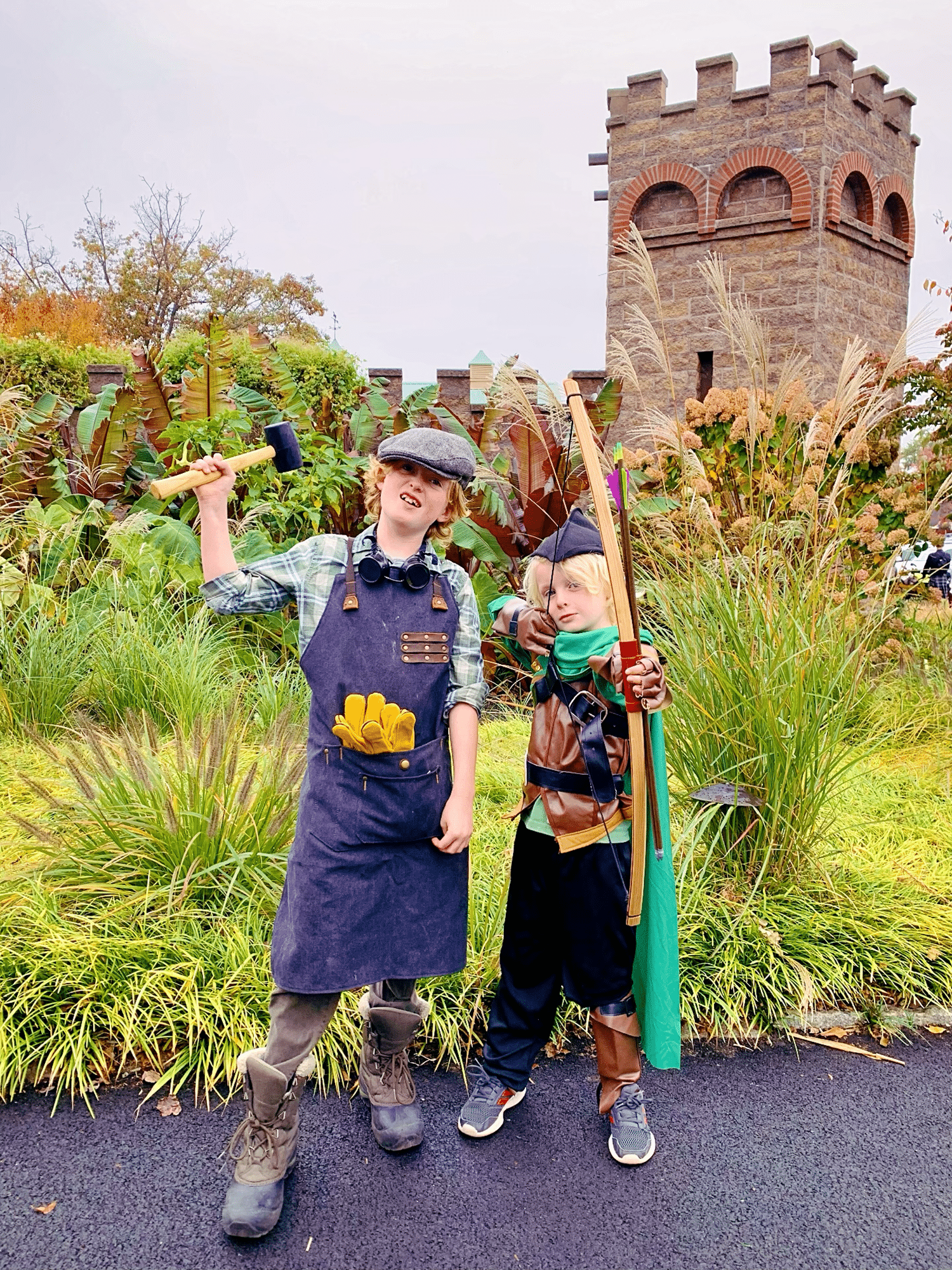
But twelve years and a handful of faire visits later (with two boys who’ve grown from toddlers into full-blown teenagers), I’ve completely changed my tune. What I once saw as confusing chaos has become something we actually enjoy every few years when we decide to go.
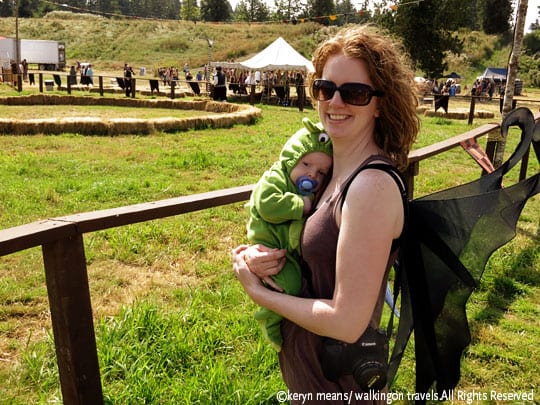
Let me take you back to 2012, when I strapped on some cheap fairy wings from my closet and dragged my family to the Washington Midsummer Renaissance Faire in Bonney Lake. Ty was barely three months old, strapped to my chest in an Ergo carrier. Dek was three and absolutely terrified of the troll who supposedly ate fairies (thanks, random costumed children at our picnic table).
I felt like a complete poser. Everyone else seemed to know the secret handshake, the right way to respond to “Good morrow,” and why “huzzah” was apparently the appropriate response to everything.
We lasted maybe three hours before naptime defeated us.
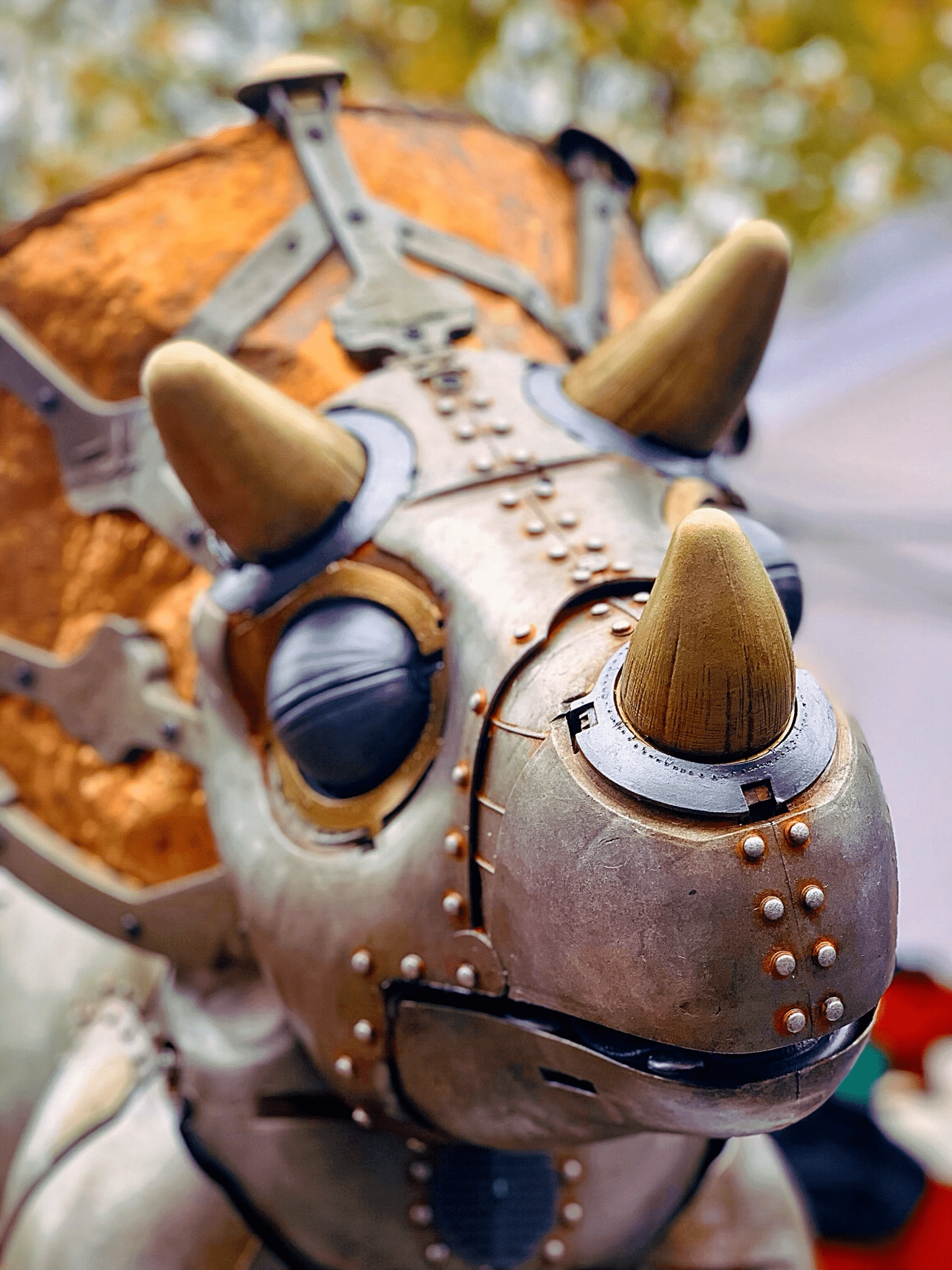
What Actually Happens at a Renaissance Faire?
If you’ve never been, here’s the basic idea. Renaissance Faires try to recreate what life was like in Europe during the 14th through 17th centuries. Think Queen Elizabeth I era, knights jousting for honor, and absolutely zero iPads (which, honestly, is the hardest part for modern kids).
You’ll find stages with live performances, artisan vendors selling handmade leather goods and jewelry, food stalls with giant turkey legs and meat pies, and tons of people dressed in elaborate costumes. Some are working at the faire. Some are just really, really into it.
The bigger faires like the Texas Renaissance Festival have multiple stages with over 100 performances and span 77 acres, while smaller ones might be a single weekend in a local park. The Arizona Renaissance Festival features a 50-acre Renaissance-themed park with jousting tournaments and a pirate feast. The Minnesota Renaissance Festival in Shakopee draws over 300,000 visitors each year, making it one of the largest in the country.
What I didn’t realize on that first visit? The magic isn’t in understanding everything immediately. It’s in just showing up and letting the experience wash over you.
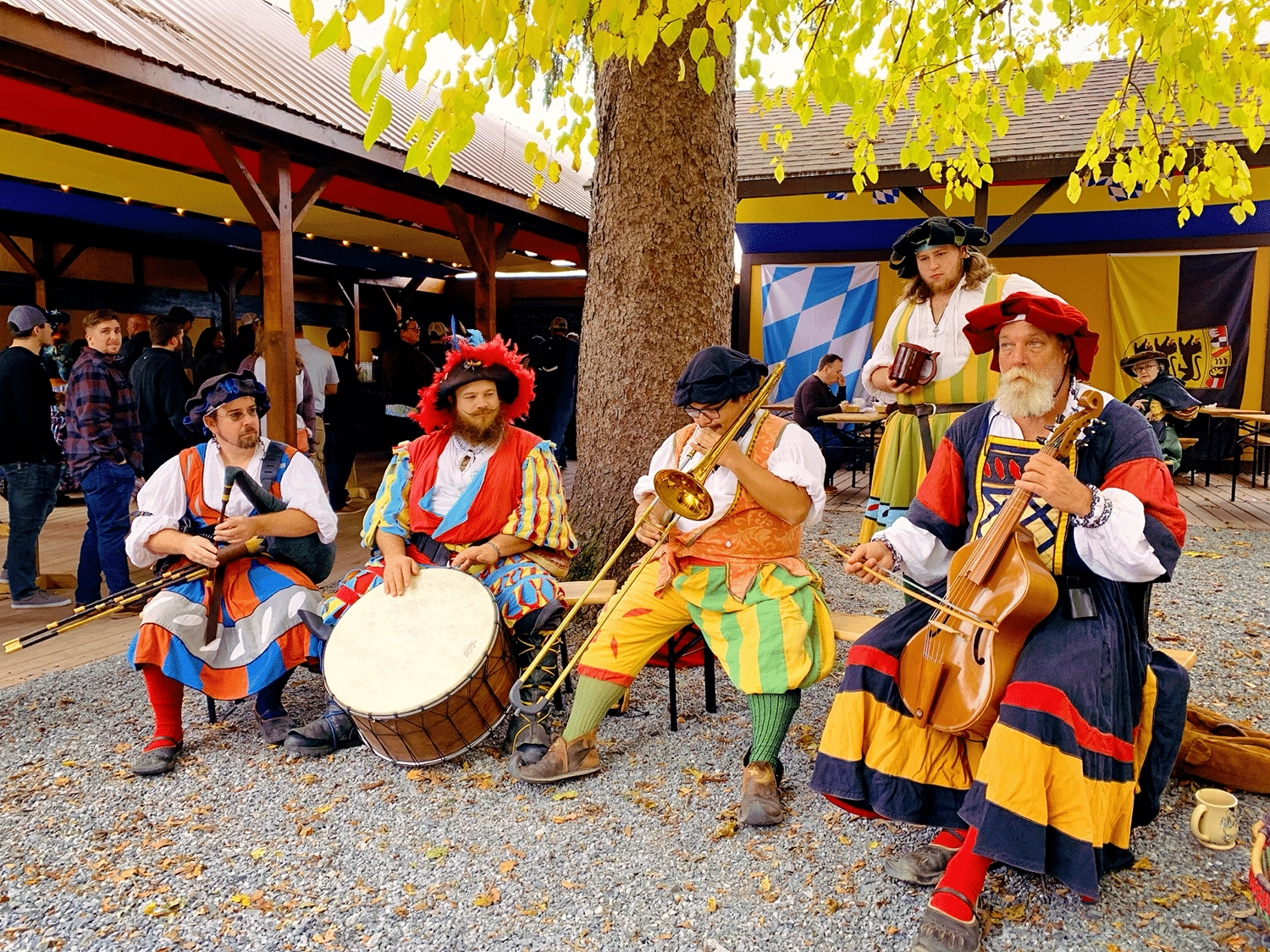
The Real First-Timer Experience (No Sugarcoating)
That iPad credit card scanner at the ticket booth while the woman wore a full period costume? Still makes me laugh. The contrast between authentic recreation and modern reality is everywhere, and honestly, it’s part of the charm.
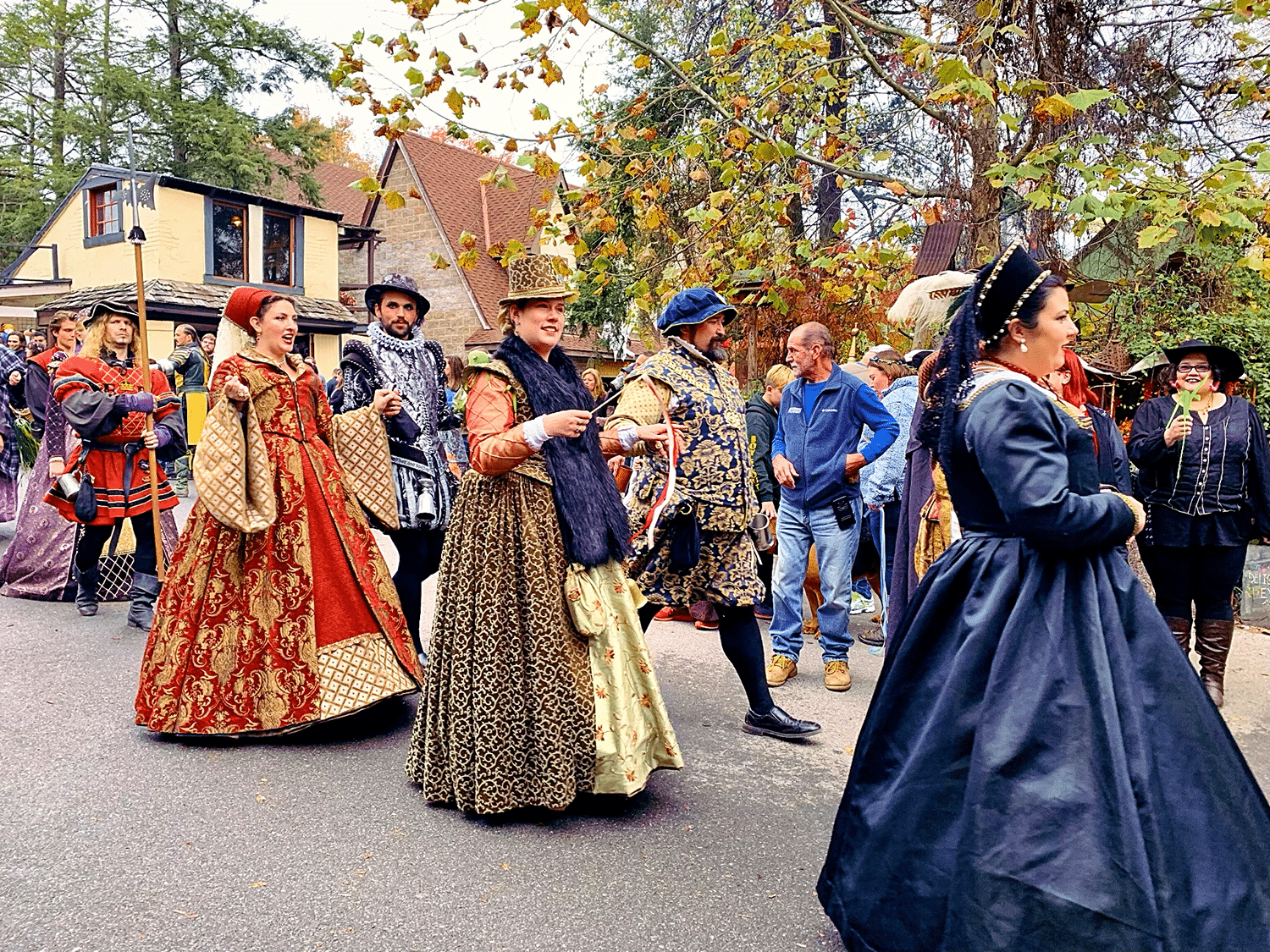
You will feel awkward if you’re not in costume. But here’s the secret: absolutely no one cares. You don’t have to dress up at all, and if you do want to wear something, it doesn’t need to be elaborate. Half the people there are in regular clothes. The other half range from historically accurate nobles to full-on fantasy characters that would make a Renaissance historian weep.
I wore those fairy wings for exactly 45 minutes before I felt ridiculous and hot. Ty’s dragon costume lasted maybe an hour before he was sweating through it. Dek refused to wear anything costume-related because he was scared of all the characters. And you know what? We still had a good time.
The ticket woman greeting us with “Good morrow” while processing our credit card on an iPad pretty much sums up the whole experience. It’s theatrical, it’s anachronistic, and it’s somehow still fun.
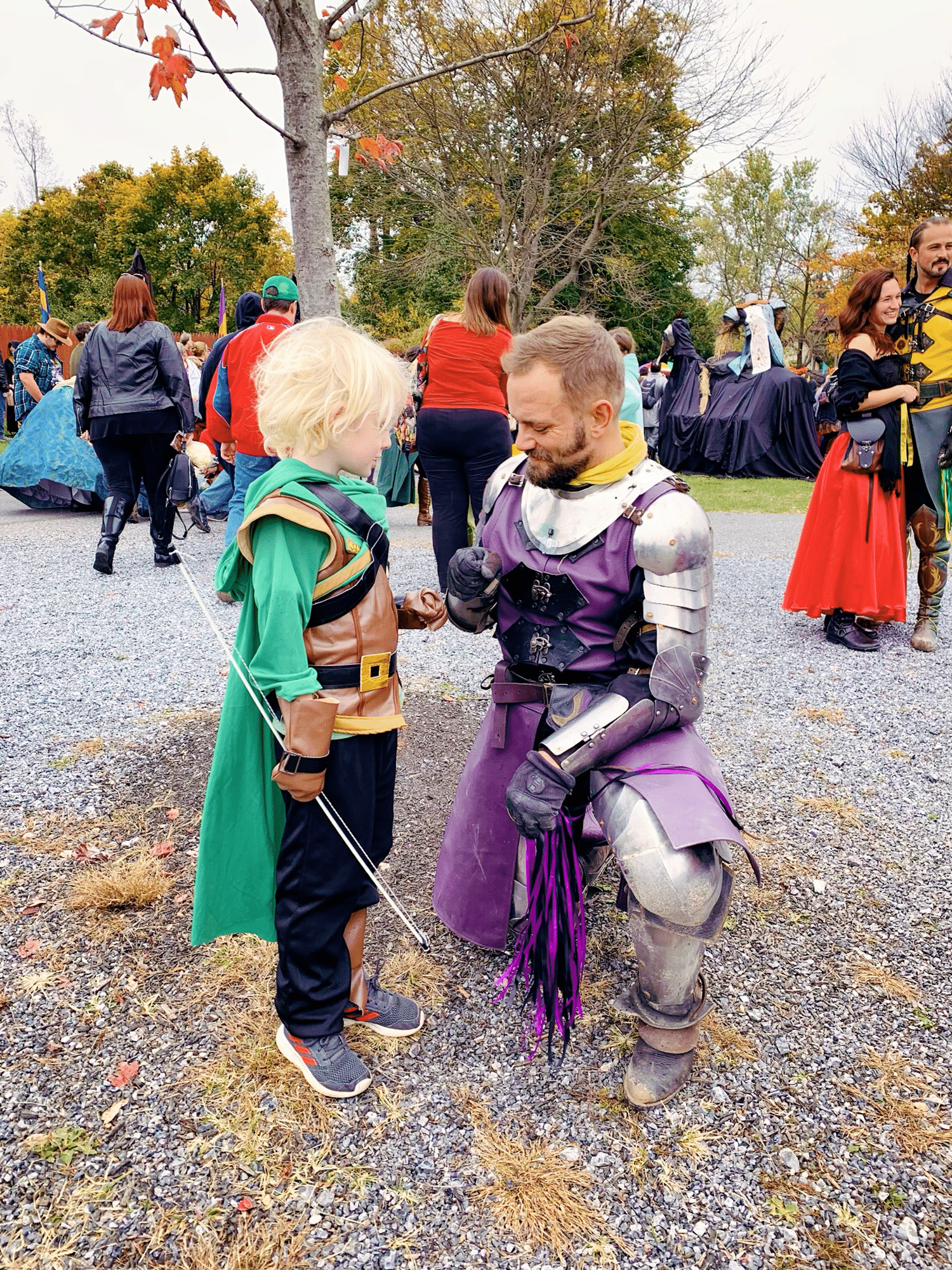
What to Actually Expect (From Someone Who Gets It Now)
Fast forward to our more recent visits. Dek is 16 now, Ty is 13, and when we do go every few years, they’re actually excited about it. Here’s what changed.
The jousting is legitimately cool. Real horses, real knights in armor, actual competition. Even my skeptical teenager self has to admit it’s impressive watching skilled riders thunder toward each other with lances. The sound alone is worth it.
The blacksmith demonstrations are fascinating. Watching someone hammer red-hot metal into a blade or a horseshoe is mesmerizing. My boys would stand there for 30 minutes just watching the process. It’s one of those rare moments when they’re not asking when we can leave.
The food is actually good. Yes, turkey legs are massive and slightly ridiculous. But meat pies, fresh bread, and roasted corn are legitimately tasty. Just know that nothing is included with admission except the shows and walking around. Everything costs extra.
The performers commit. An actor called someone’s DSLR camera a “looking glass” and stayed in character no matter what. That level of commitment creates an atmosphere that’s hard to replicate anywhere else.
There’s always something happening. Street performers, impromptu sword fights, musicians, comedy acts. Many shows feature juggling, stunts, comedy, or interactive moments for kids, and performers often roam between shows chatting with families. You won’t see everything even if you stay all day.
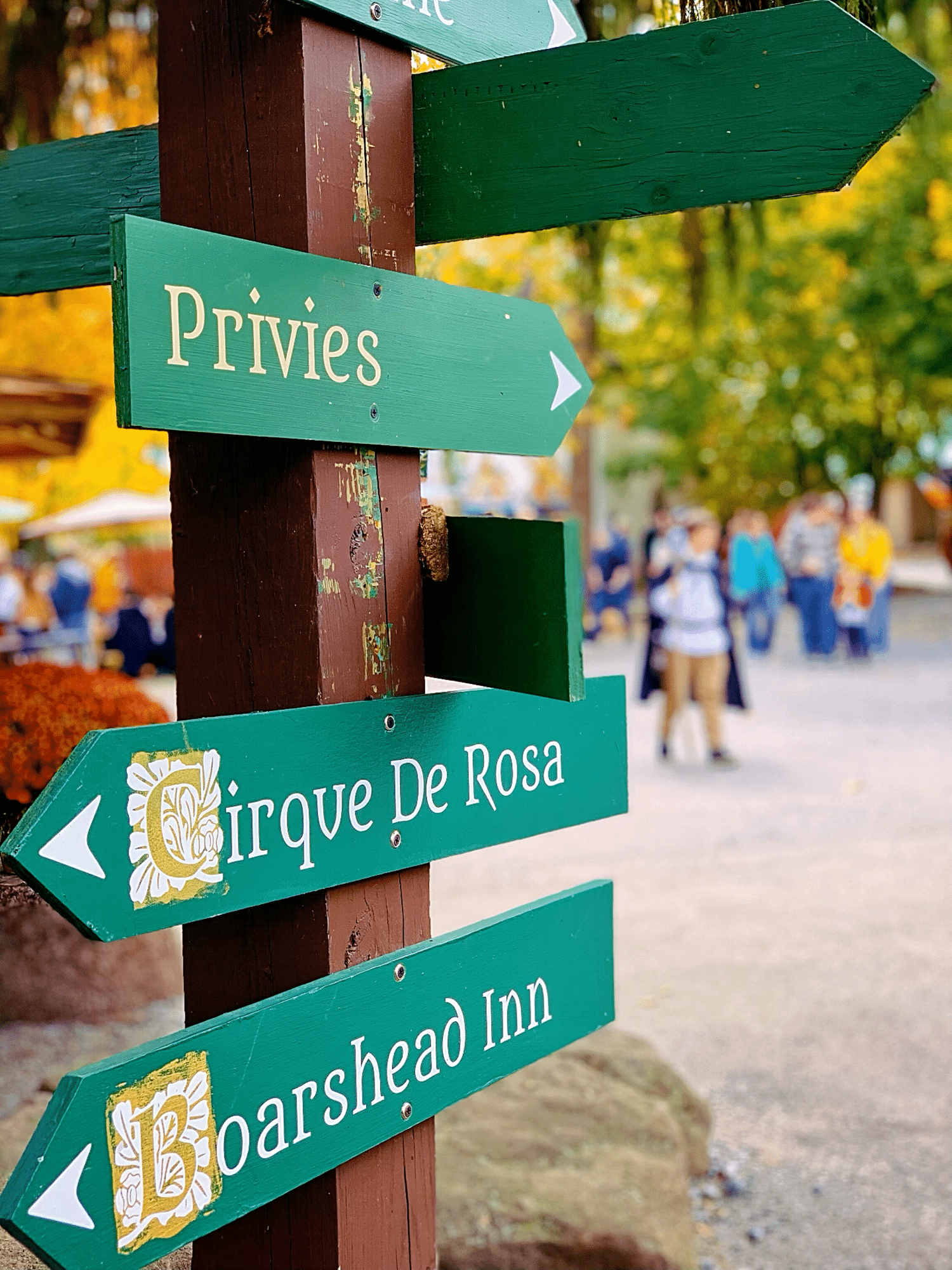
What I Wish I’d Known Before Our First Visit
Timing matters. We arrived in the morning before the hardcore fans showed up, which meant fewer people but also less energy. The faire really comes alive as the day goes on. But it also gets hotter and more crowded. Pick your poison.
Comfortable shoes are non-negotiable. There’s a ton of walking involved, and you’ll be on your feet most of the day. I don’t care how cute those Renaissance boots look. Your feet will hate you by noon.
Bring cash. Credit cards work for most merchants and tickets, but cash is needed for rides, games, tips for performers, and some food vendors. If you plan to let kids try activities, budget at least $20-30 per child.
It gets hot. Most faires run during summer weekends, often in open fields with limited shade. Bring sunscreen, a hat, an umbrella, and anything else to keep yourself cool and dry. We learned this the hard way when Ty’s dragon costume became a portable sauna.
Not all shows are kid-friendly. Some stage shows include mature humor or themes that aren’t appropriate for children. Check the schedule or ask performers before sitting down for a show with little ones.
Strollers are tough. Most pathways are gravel or grass, which can be bumpy for strollers. If you have a baby, a carrier like an Ergo is way easier. If you need a stroller, make sure it has good wheels for rough terrain.
Should You Go in Costume?
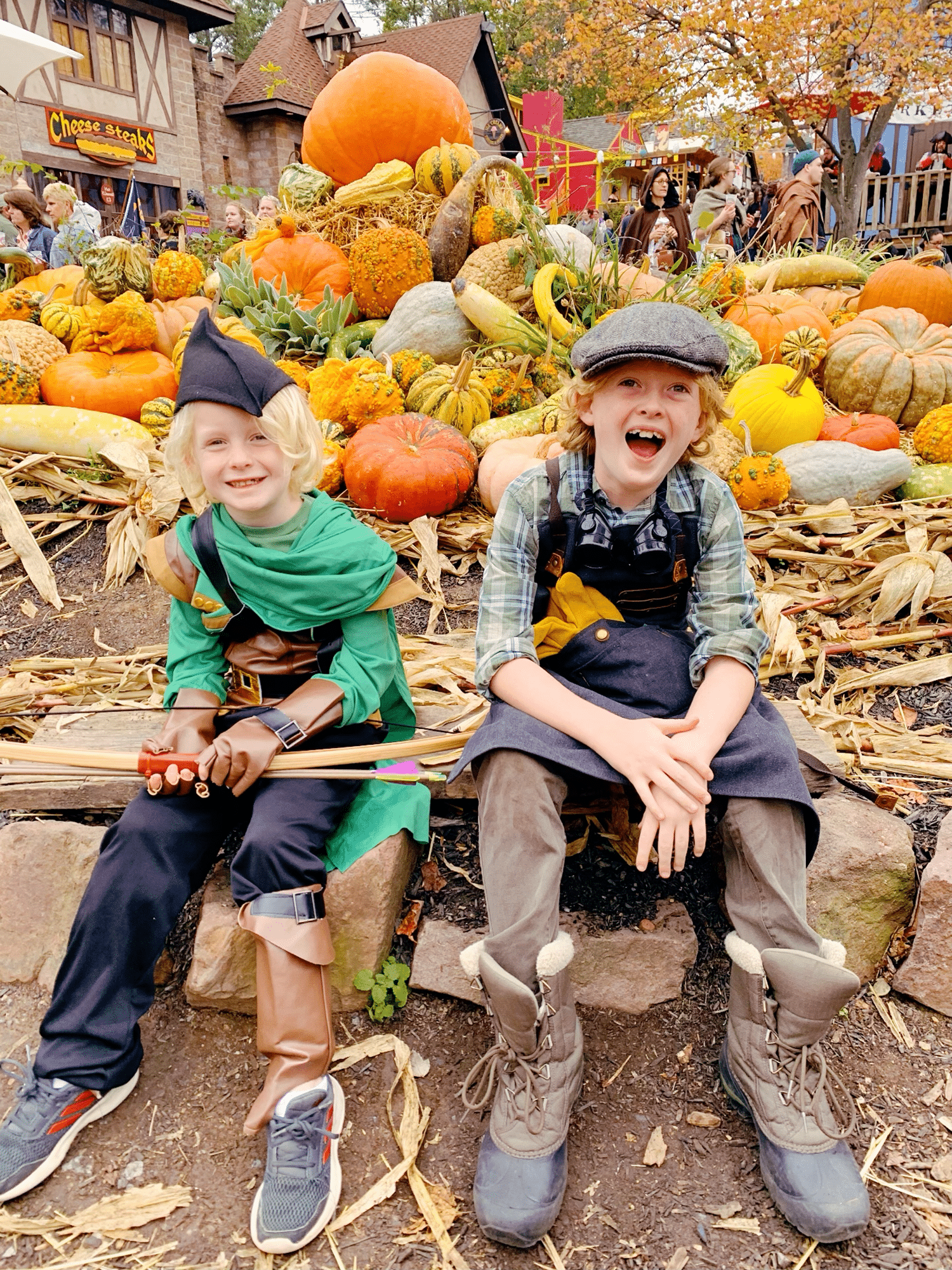
This was my biggest hang-up. I thought everyone would be in full regalia and I’d stick out like a confused time traveler from the wrong century.
Reality? People dress as everything from historically accurate nobles to anime characters, fairies, pirates, or completely unique fantasy creations. There’s no wrong answer.
If you want to ease in, wear normal clothes your first time and see how you feel. Plenty of people do. Or grab a cape, a crown, or some fairy wings and call it good. You can even rent costumes at some faires if you decide you want to join in once you’re there.
My boys now go in full costume when we visit (cloaks, swords, the works), and I usually wear something simple like wings or a themed shirt. But it took us years to get there. Start wherever feels comfortable.
The Best Renaissance Faires in the US
Not all faires are created equal. Some are single-weekend events in local parks. Others are sprawling multi-weekend festivals with permanent structures and hundreds of performers.
Maryland Renaissance Festival in Crownsville runs on a 27-acre site with over 200 performers across ten stages. We’ve been here multiple times over the years, and the jousting arena that seats 3,000 people is always a highlight. The festival typically runs from late August through October with themed weekends like Pirate Weekend and Celtic Celebration. The sheer number of artisan shops (over 140) means you could spend hours just browsing handmade leather goods, jewelry, and pottery.
Pennsylvania Renaissance Faire at Mount Hope Estate in Manheim spans 35 acres and runs weekends from August through October. This was Mike’s childhood faire, and now that we’ve taken our boys, I can see why he remembers it so fondly. The permanent village structure gives it a more immersive feel than some temporary setups, and they even host a Yuletide event in late November and December if you want your Renaissance experience with a holiday twist.
The Texas Renaissance Festival runs for weeks and includes over 100 performers across multiple stages. The New York Renaissance Faire in Tuxedo celebrates decades of tradition and features Robin Hood’s Merry Band and Queen Elizabeth I. The Bristol Renaissance Faire in Wisconsin offers axe-throwing, archery, sword-fighting, and kid-friendly horse riding.
Ohio’s Renaissance Festival takes place on a 30-acre English village setup with 17 stages and 100 performances, welcoming over 200,000 visitors annually. The Medieval Fair of Norman in Oklahoma is one of the only free Renaissance faires in the country.
The Washington Midsummer Renaissance Faire (where we first visited) now runs for five weekends from mid-July through mid-August in Snohomish. It’s grown since our chaotic first visit with baby Ty, though it’s still one of the smaller faires compared to Maryland or Pennsylvania.
For a comprehensive list of Renaissance Faires near you, check resources like The Renlist, which tracks events across the country by date and location.
What Makes It Worth Going Back?
I’ll be honest. I still don’t totally get the diehard enthusiasts who create elaborate backstories for their characters and speak in Old English all day long. That’s not my thing, and it doesn’t have to be yours either.
But what I do get now is the appeal of stepping into a completely different world for a few hours. No phones (okay, some phones for photos, but you know what I mean). No modern stress. Just watching skilled artisans work, cheering for your knight during the joust, and eating food with your hands while your kids wave wooden swords around.
The magic isn’t in being historically accurate or knowing all the faire lingo. It’s in the atmosphere, the craftsmanship, the unexpected moments when a jester makes your kid laugh or a musician plays a song that makes you stop and listen.
My boys love the blacksmith demos, the archery, and yes, those massive turkey legs. They’ve learned about medieval history without realizing they were learning. They’ve watched skilled performers do their thing and gained an appreciation for live entertainment.
And honestly? Seeing Dek, who was terrified of the troll at age three, now confidently wandering the faire grounds in full costume at 16, makes every awkward first visit moment worth it. Even if we only go every few years, it’s always an experience we end up enjoying.
Practical Tips for Your First Renaissance Faire Visit
Plan for 4-6 hours. That’s enough time to see several shows, explore the vendors, eat, and not feel completely exhausted. There’s so much to see that you could easily spend an entire day and still discover new booths and performances.
Arrive early for parking and tickets. Lines get long as the day goes on, especially on themed weekends like Pirate Day or Time Traveler Weekend.
Grab a map and schedule immediately. Pick up a program at the information booth to figure out the layout, find food, and check show times. Planning your day around a few must-see shows works better than wandering aimlessly.
Stay hydrated. You’ll probably run out of water no matter how much you bring, but even one bottle will save you money. Most faires have water refill stations or sell bottled water (at a premium).
Budget accordingly. Admission gets you in and access to shows. Everything else costs extra. Expect to spend $50-100 per person for food, drinks, activities, and souvenirs if you’re planning a full day.
Talk to the performers. Wandering actors stay in character and are happy to interact, answer questions, and pose for photos. They’re part of the experience, not just decoration.
Don’t try to do everything. You won’t see every show or visit every vendor. Pick a few priorities and let the rest happen organically.
Final Thoughts From a Reformed Skeptic
Look, Renaissance Faires aren’t for everyone. If crowds, heat, and people enthusiastically yelling “huzzah” make you want to run for the hills, this might not be your scene.
But if you’re willing to suspend your skepticism for a few hours and just see what happens, you might surprise yourself. I certainly did.
What started as a confusing, overwhelming experience with two tiny kids has become something we genuinely enjoy when we decide to go. We’ve watched Dek go from hiding behind my legs to confidently approaching performers and asking about their swords. We’ve seen Ty transform from a sweaty baby dragon into a 13-year-old who knows more about medieval weaponry than I ever will.
The Renaissance Faire world still has its quirks. I’m still not saying “huzzah” unironically. I’m never wearing a full corset in 90-degree heat. And I’ll always find it funny when someone pulls out an iPhone while dressed as a medieval peasant.
But here’s what I’ve learned. You don’t have to understand or embrace every aspect of faire culture to enjoy it. You don’t need the perfect costume or the right vocabulary. You just need to show up, stay hydrated, wear good shoes, and let yourself be entertained.
And maybe, just maybe, you’ll find yourself planning your next visit a few years down the road.
Planning Your Visit
Most Renaissance Faires operate on weekends during specific seasons. Spring and fall faires are common to avoid extreme summer heat. Check individual faire websites for:
- Dates and hours (most run 10am to sunset)
- Ticket prices (often cheaper if purchased online in advance)
- Theme weekends (Pirate Weekend, Fantasy Weekend, etc.)
- Parking information and fees
- Weather policies (most run rain or shine)
- Accessibility information for wheelchairs and strollers
If you’re planning a family trip and want to build a full itinerary, grab my free Weekend Trip Planner to organize all the details.
And if you’re driving to a faire that’s a few hours away, my Road Trip Planning Guide has all the checklists you need to keep everyone sane in the car.
For accommodations near major faires, check hotels on Expedia or look for unique rental options. Some faires even offer on-site camping if you really want to commit to the experience.
If you want to capture professional photos of your family in costume (because let’s be real, these make amazing holiday cards), Flytographer photographers are available in many cities with major faires. Use my link to save $20 on your session.
For more family travel tips and destination guides, browse our Travel Shop for downloadable itineraries and planning resources.
Happy time traveling. Just maybe leave the “huzzah” at home.
Moments from that first visit with the kids