I first visited Washington’s Big Four Ice Caves when my oldest was a toddler and my youngest was still in a baby carrier. We went back last summer with two teenagers, and honestly? It was way more fun the second time around. No one needed to be carried, nobody fell on their face (well, not seriously), and we actually made it to the best viewpoints without anyone melting down.
The Big Four Ice Caves sit about 90 minutes east of Seattle in the Mount Baker-Snoqualmie National Forest, just outside Granite Falls. I’d been wanting to see them for years, but you know how it goes when you’re in the thick of raising babies. This time, though, the kids could actually appreciate what they were seeing, which made the whole experience different.
Here’s what you need to know if you’re planning to visit.

What Are the Big Four Ice Caves?
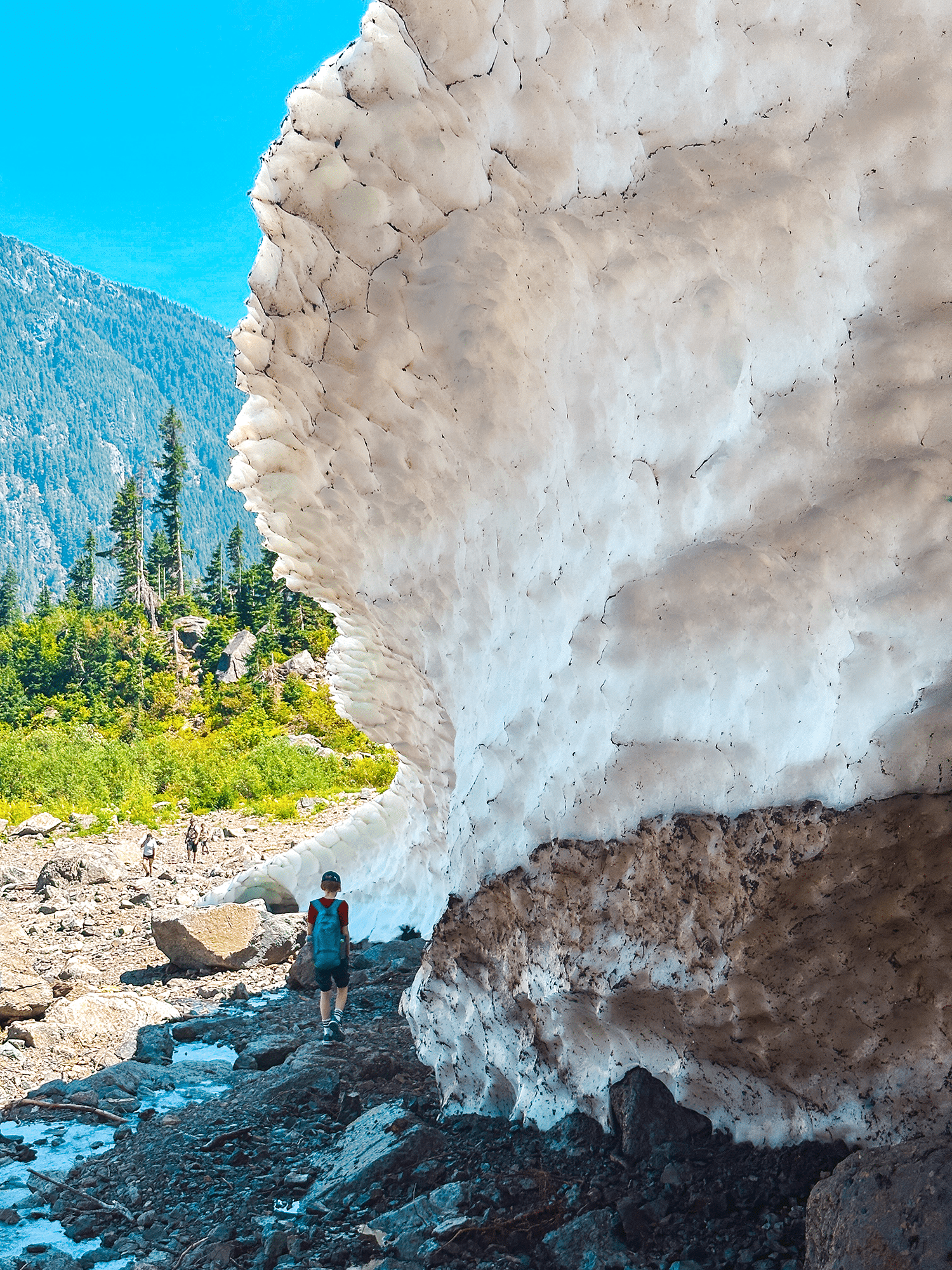
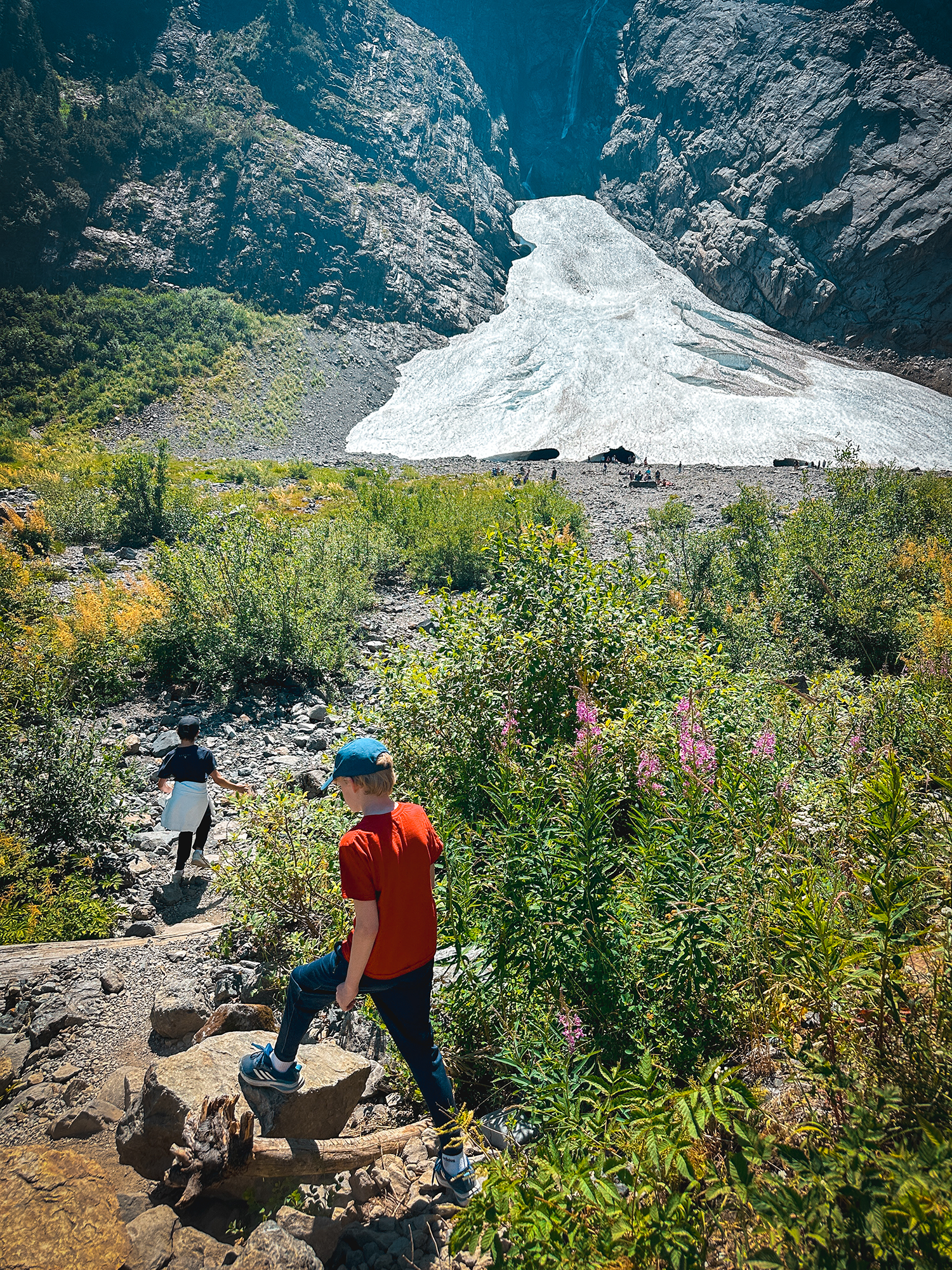
They’re not technically caves at all. The “caves” are openings that form at the base of Big Four Mountain’s north face when winter avalanches pile up tons of snow and ice. As temperatures warm up, meltwater from the cliff creates channels and openings in this massive snowfield. The whole thing sits in near-constant shade, which is why ice remains visible well into fall.
The formation changes constantly. What you see in July might look completely different in September. Some years the caves are huge and dramatic. Other years, not so much. It all depends on how much snow fell the previous winter and how the melt pattern develops.
When to Visit Big Four Ice Caves
The best viewing window is late July through October. Earlier than July and the caves are usually still buried under avalanche debris. Later than October and fresh snow starts covering everything again.
We went in August during our first visit and again last July. Both times gave us great views, though the August trip had slightly more exposed ice formations. The trail itself is usually accessible from late May or early June once the Mountain Loop Highway opens for the season, but you won’t see much at the caves until later in summer.
The Mountain Loop Highway closes for winter between Deer Creek and Bedal Campground, typically from November through May depending on snowfall. If you’re determined to visit in winter, be prepared to hike an extra 2-3 miles each way from where the road closes.

The Trail: What to Expect
The Big Four Ice Caves trail is 2.2 miles round trip with only about 200 feet of elevation gain. It’s one of the easiest hikes I’ve done in Washington, which is why it gets absolutely packed on summer weekends.
The first section is paved and wide enough for two people to walk side by side. Then you transition onto elevated boardwalks that cross marshy areas. The final stretch brings you to the base of Big Four Mountain, where the trail basically ends at a viewing area.
If you want to get closer to the ice formations (and you have teenagers who won’t listen when you tell them not to sprint ahead), you’ll be scrambling over rocks and debris. This is where good hiking boots come in handy. We made do with trail runners the first time, but it was slippery and sketchy in spots.
The trail has several benches along the way and is genuinely kid-friendly for anyone who can walk a mile. My toddler managed about three-quarters of it before demanding shoulder rides. My teenagers last year kept trying to run ahead to see if they could spot any ice collapses.
Parking and Passes
You need a Northwest Forest Pass to park at the Big Four trailhead. Day passes are $5, or you can get an annual pass for $30 (last I checked) that covers all Forest Service sites in Washington and Oregon. You can buy them at the Verlot Ranger Station (about 15 miles before the trailhead) or online through Recreation.gov.
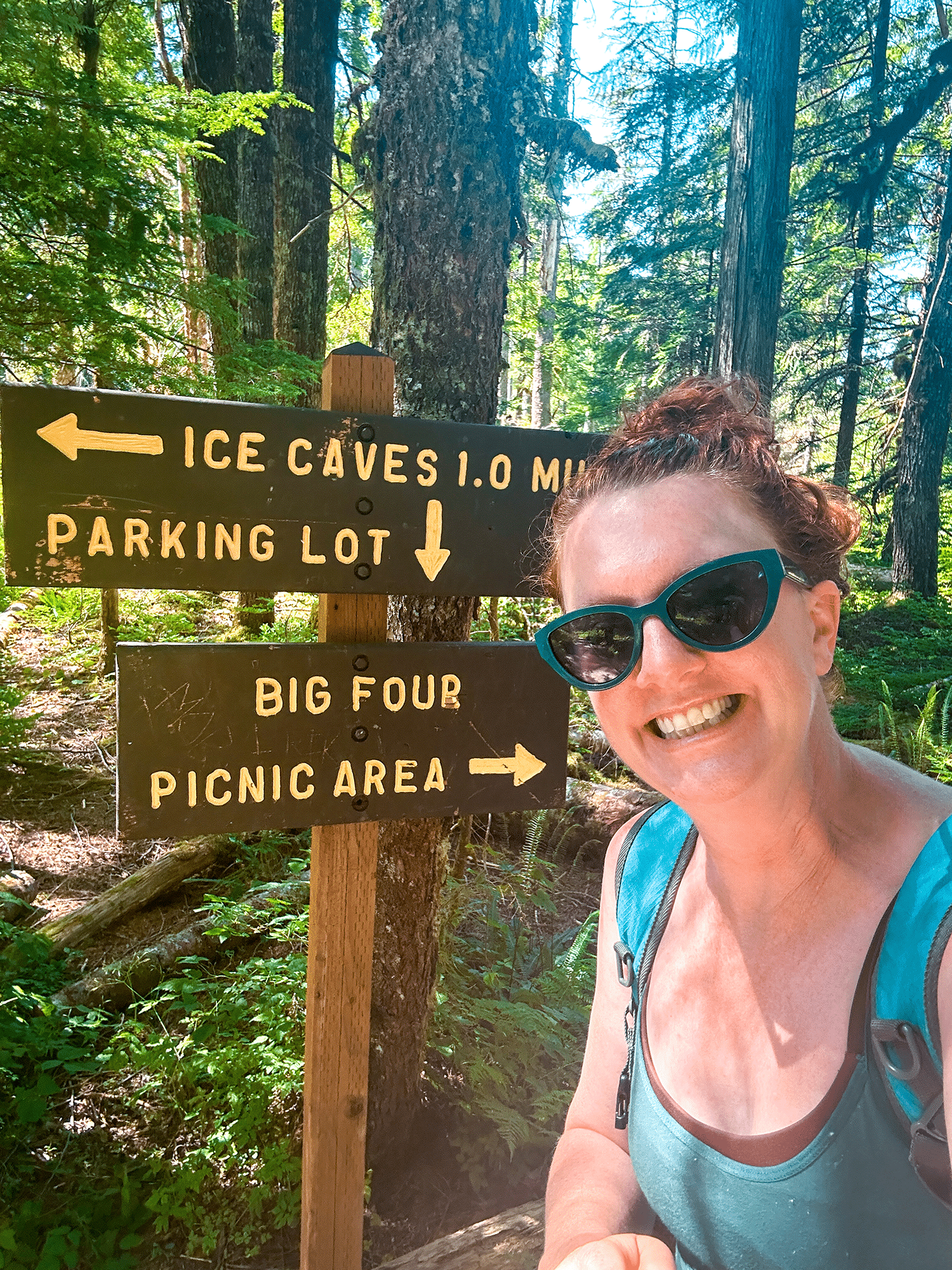
There are two parking lots. The main trailhead lot fills up fast on weekends, sometimes by 9 or 10 AM in peak summer. The overflow lot is about half a mile down the road at Big Four Picnic Area. If you park there, you can follow a connector trail through the old hotel site (there’s just a chimney left now) to meet up with the main trail.
Get there early if you’re visiting on a Saturday or Sunday in July or August. We’re talking 8 AM early.
Safety: Let’s Talk About the Caves
Here’s the serious part. People have died at the Big Four Ice Caves. Four deaths between 1998 and 2015, to be exact. Ice collapses, avalanches, and falling rocks are real dangers here, not theoretical ones.
The caves look inviting, especially on a hot day when that cool air is radiating out. But they’re incredibly unstable. Tons of ice can collapse without warning. Rangers actively patrol the area and will turn people away if they see anyone getting too close or attempting to enter the caves.
There’s a memorial plaque at the viewing area for an 11-year-old girl who was killed in a 2011 collapse. It’s a stark reminder that this isn’t a playground.
Stay on the designated trail. View from the established viewing platforms. Don’t let your kids (or your friends, or yourself) walk on the snow or ice. Yes, you’ll see other people doing exactly that. Those people are making terrible decisions.
When my teenagers wanted to get closer last year, I had to pull out the hard “absolutely not” parenting voice. They rolled their eyes but stayed put. Your kids will survive the disappointment of not getting an Instagram shot inside an ice cave. They might not survive the cave itself.

What to Bring
Bring way more water than you think you need. Even though it’s a short hike, you’ll want to hang out at the viewpoint for a while, and there’s nowhere to refill.
Pack snacks. We always bring trail mix, granola bars, and fruit. The kids get hangry, and hangry kids on a hike are no fun for anyone.
A compact first aid kit is essential. My toddler proved this during our first visit when he face-planted on gravel. Now I never hike without bandages, antibiotic ointment, and blister treatments.
Layered clothing works best. It can be warm and sunny on the trail but surprisingly cold at the ice caves. The shade from Big Four Mountain creates its own microclimate, and that meltwater keeps things chilly.
Hiking boots or sturdy trail shoes with good traction will make your life easier if you want to explore beyond the main viewing area. I’ve seen people in flip-flops, and honestly, I don’t know how they managed.
Don’t bother with a stroller. The boardwalks have gaps, the gravel sections are rough, and you’ll just be miserable. Get a good hiking backpack carrier for toddlers or a comfortable baby carrier for infants instead.
Trekking poles can be helpful for the rockier sections, especially if you’re carrying a child or have any balance concerns.
Facilities
There are vault toilets at the trailhead. Use them before you start because there’s nothing else once you’re on the trail.
The picnic area (about half a mile before the main trailhead) has tables if you want to eat before or after your hike. It’s a nice spot to let kids run around a bit.
No cell service. Like, none. Don’t count on being able to call for help or check maps on your phone.
Beyond the Ice Caves: What Else to See
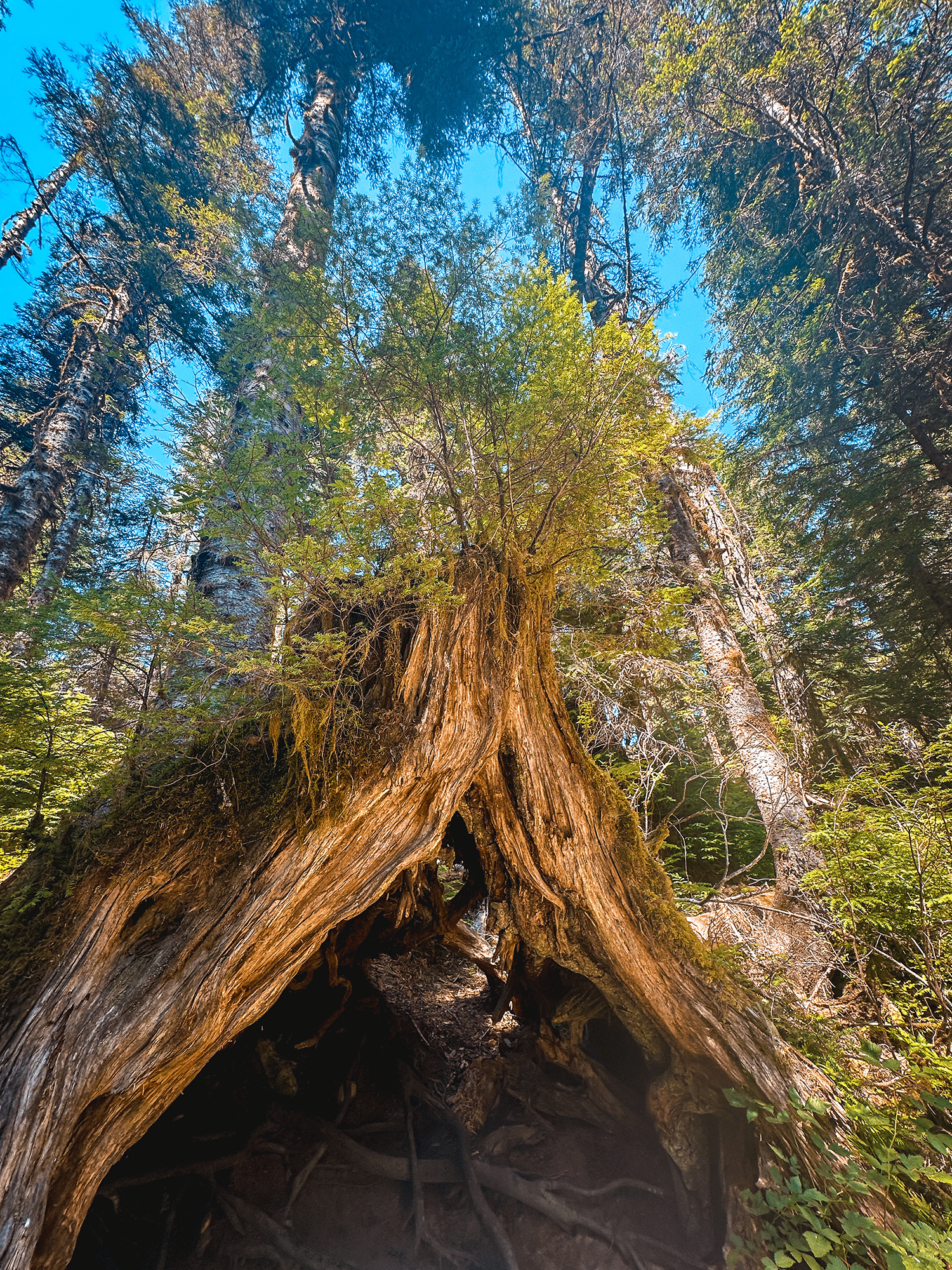
About halfway through the hike, there’s a side trail that loops through the old Big Four Inn site. The inn was a three-story hotel built in 1920 and destroyed by fire in 1949. All that remains is a massive stone chimney and fireplace. It’s kind of haunting and definitely worth the short detour.
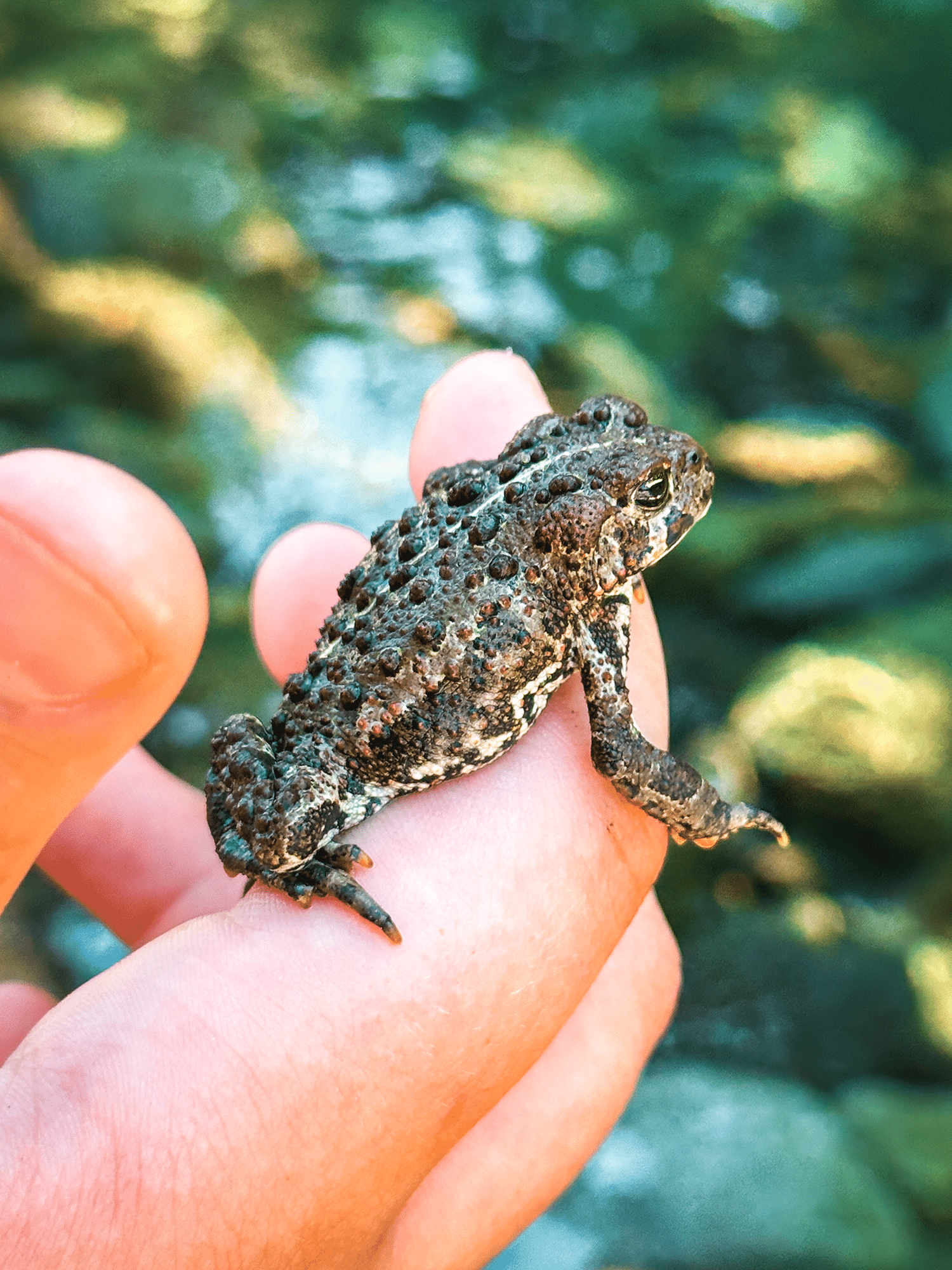
The boardwalk section crosses marshes where you might spot frogs, dragonflies, and various birds. My kids were obsessed with trying to find frogs during our first visit. We spent probably 20 minutes just frog-hunting, which was honestly more entertaining than I expected.
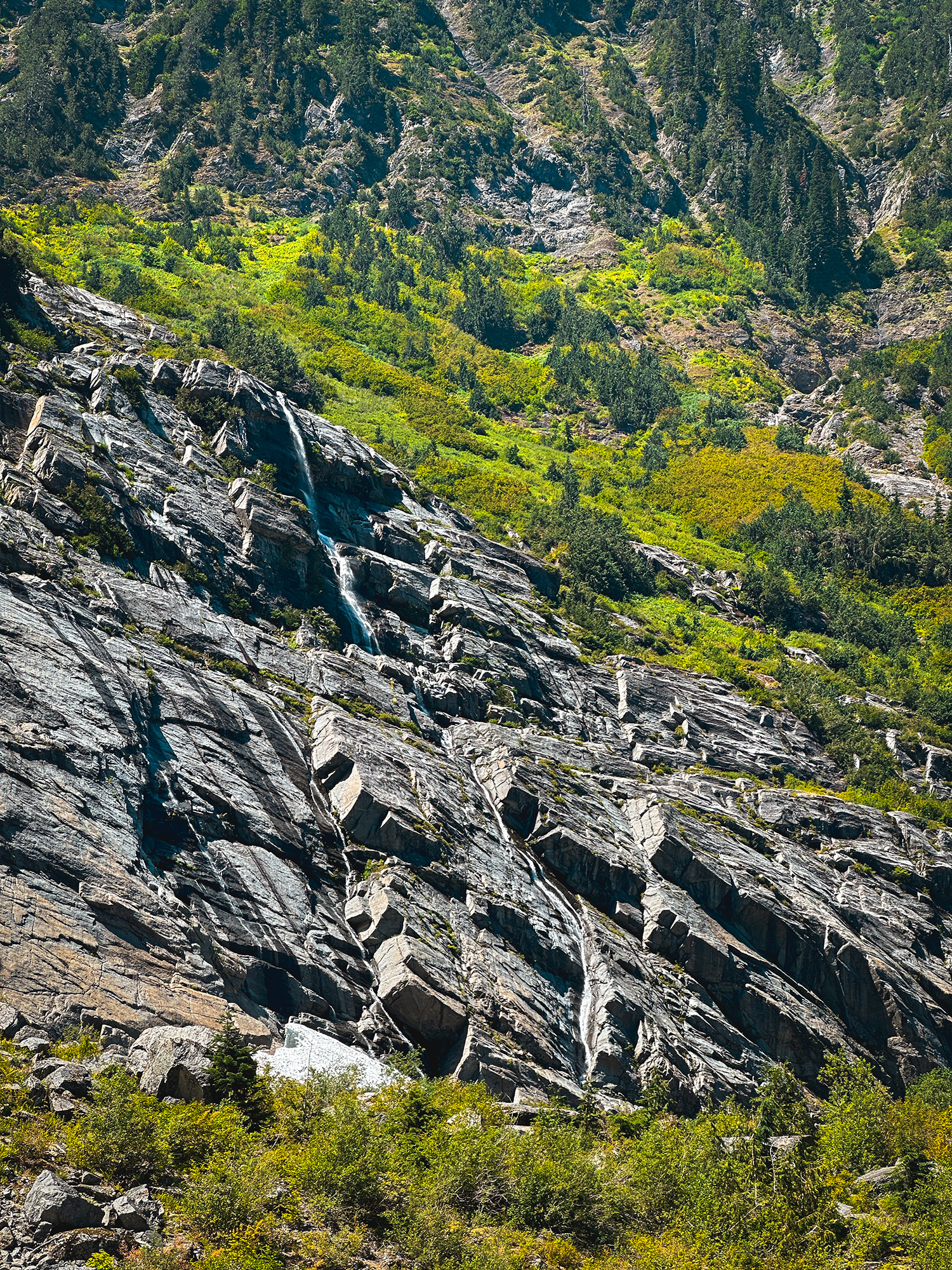
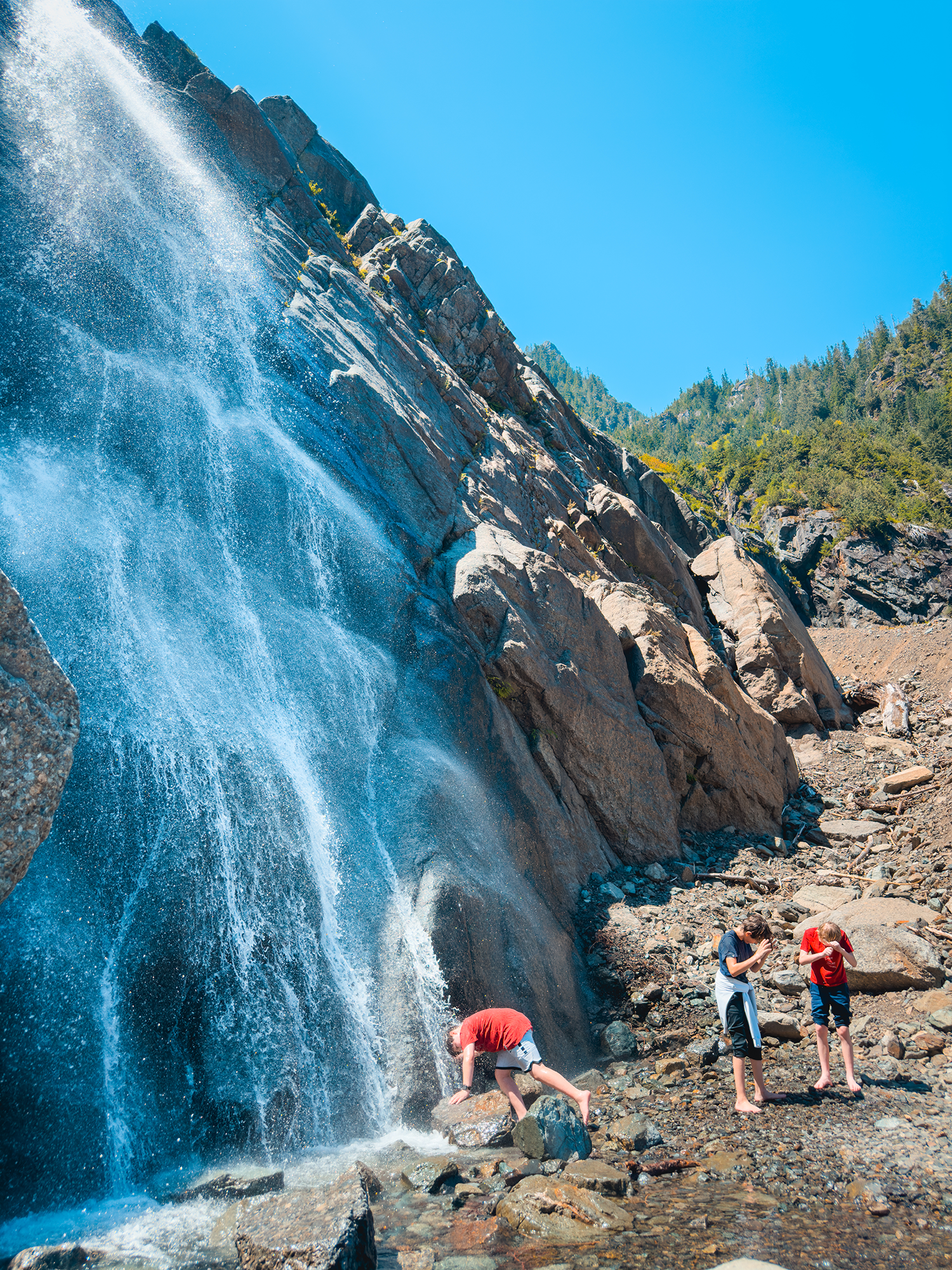
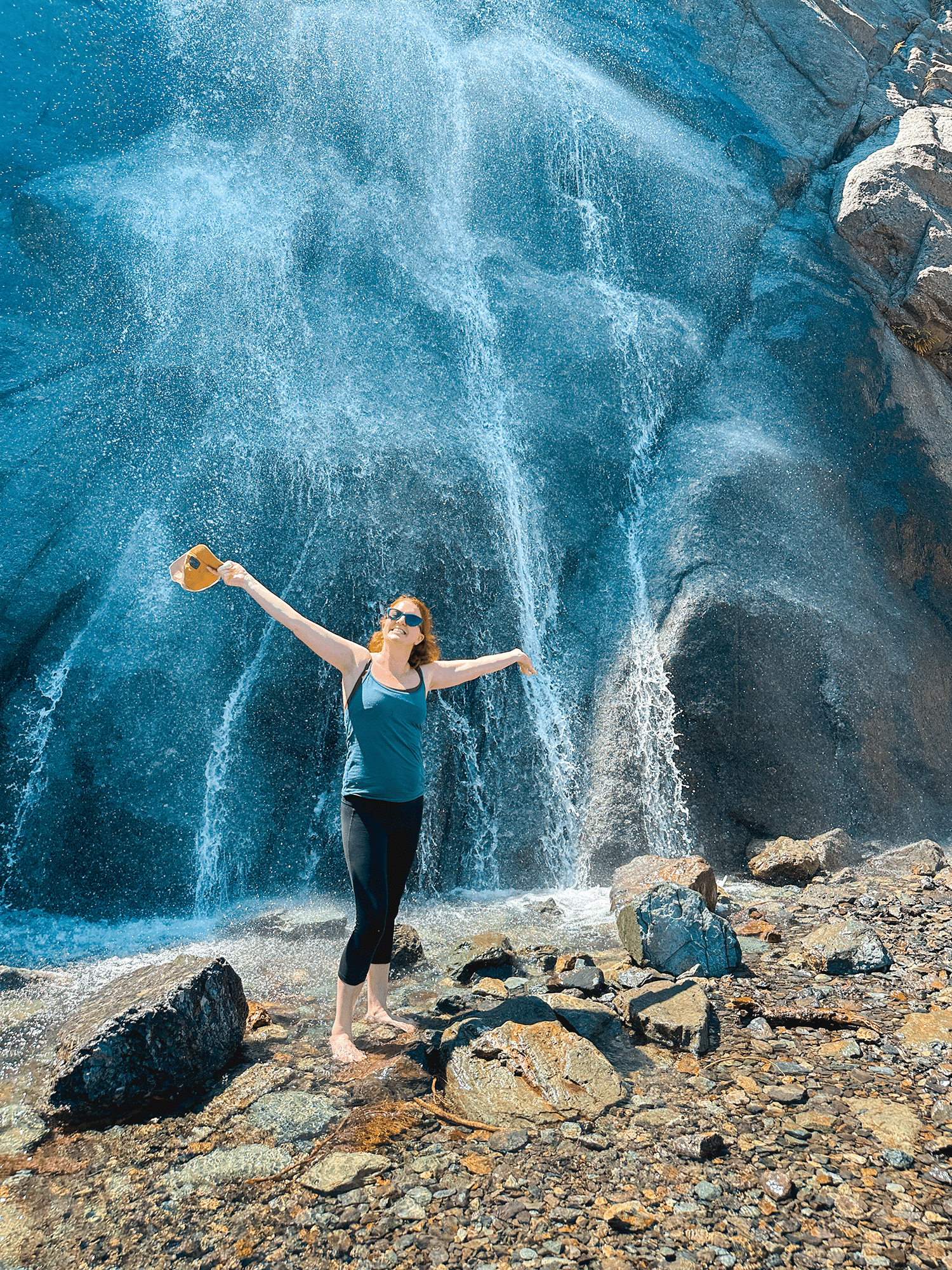
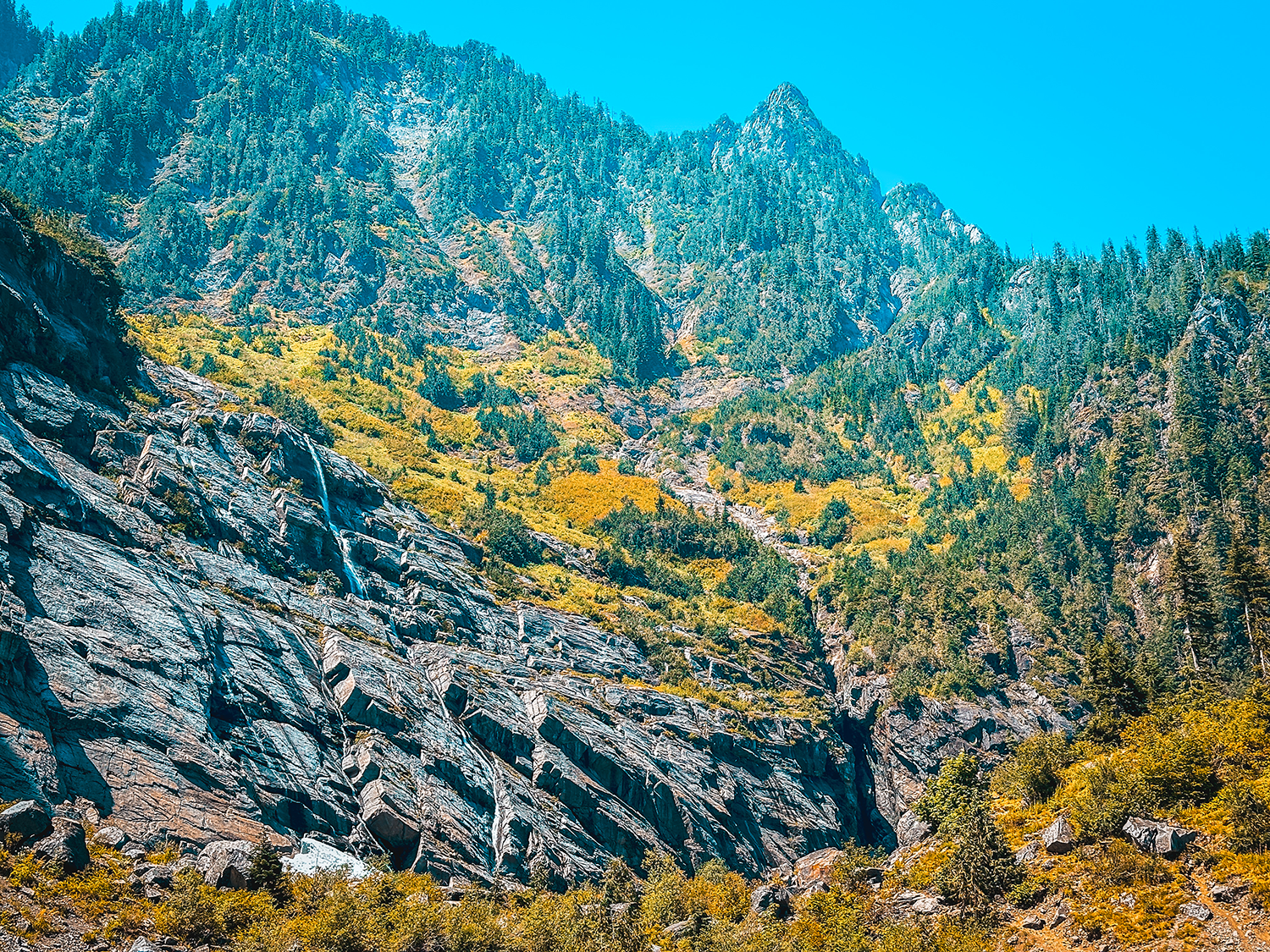
Big Four Mountain itself is stunning. The 6,135-foot peak creates this dramatic backdrop for everything, with waterfalls cascading down the rock face. Even if the ice caves aren’t as impressive as you’d hoped, the scenery makes the hike worthwhile.
Making It a Full Day: Seattle Area Activities
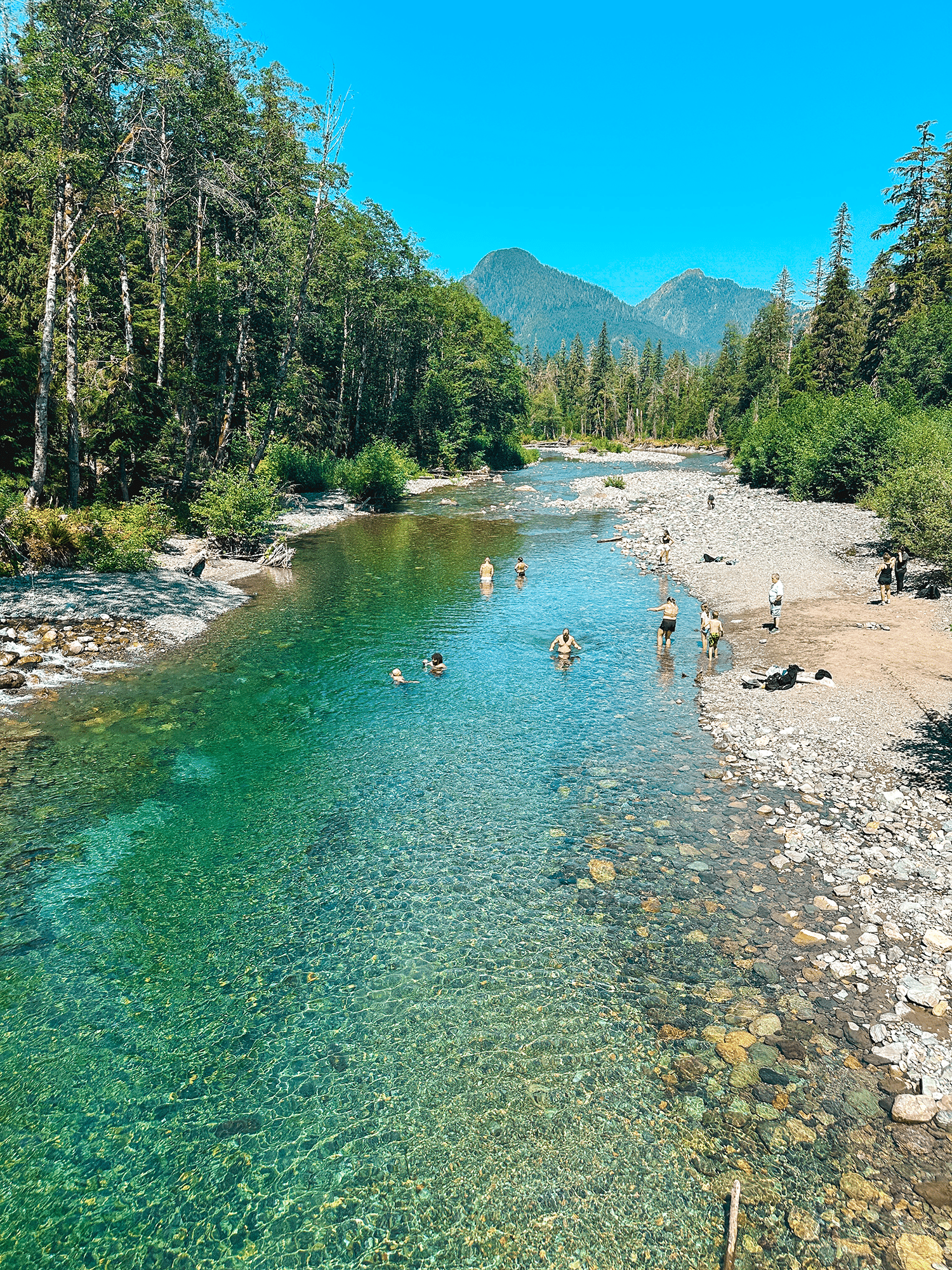
Since you’re driving out from Seattle anyway, consider making a full day of it. The drive out to Granite Falls takes you through some beautiful parts of Snohomish County.
Stop for breakfast in Granite Falls before heading up Mountain Loop Highway. The town is small but has a few good local spots.
If you’re up for more hiking, there are several other trails along Mountain Loop Highway worth exploring. Just check current conditions before you go.
On your way back to Seattle, you could stop at one of the Seattle-area pumpkin patches if you’re visiting in fall, or hit up Woodland Park Zoo which is right on the way back into the city.
If you’re spending more time in the area, check out our full guide to things to do in Seattle with kids, or take a day trip up to Victoria, BC or Vancouver, BC (both are easier to reach from Seattle than you might think).
The Seattle Aquarium makes a great rainy-day backup plan if the weather doesn’t cooperate for hiking. Trust me, you’ll want backup plans in the Pacific Northwest.

Where to Stay in Seattle
If you’re visiting from out of town, you’ll want to base yourself in Seattle and make this a day trip. Here are a few of our favorite spots:
Fairmont Olympic Hotel: Gorgeous historic property right downtown with a pool, spa, and walking distance to Pike Place Market. Pet-friendly too.
The Westin Seattle: Great location with a pool and rooms that can accommodate families. Also pet-friendly.
Residence Inn by Marriott Seattle Downtown/Convention Center: Studio and one-bedroom suites with kitchens and free breakfast. Perfect if you’re staying for several days.
Kimpton Palladian Hotel: Fun, quirky boutique hotel near Pike Place with suites available.
Hyatt Regency Seattle: Pet-friendly with great room configurations for families and easy access to downtown attractions.
Book your rental car through DiscoverCars for the best rates. You’ll definitely need a car to get to Big Four unless you want to deal with tour companies.
Planning Your Seattle Trip
While you’re in Seattle, don’t miss out on the city’s other iconic attractions. The Seattle CityPass covers admission to the Space Needle, Chihuly Garden and Glass, Seattle Aquarium, and more. It’s a solid deal if you’re planning to hit multiple attractions.
For more rainy-day ideas (because this is Seattle, after all), check out our guide to kid-friendly activities for a rainy day in Seattle.
And if you’re looking for other Pacific Northwest adventures, we’ve got tons of ideas in our fall weekend getaways around the Pacific Northwest guide.
Before you leave, grab our free weekend trip planner to help organize all your Seattle adventures. It’ll save you from forgetting something important (like I always do).
Seattle Tours Worth Booking
If you want to see more of Seattle beyond just hiking, consider booking some experiences through Viator or GetYourGuide. They have everything from food tours of Pike Place Market to day trips to Mount Rainier.
One of my favorite travel hacks? Booking a Flytographer session ($20 off with this link). Having a local photographer capture your family at iconic spots means you actually get in the photos instead of just taking them. We did this in Seattle and the photos are some of my favorites from all our travels.
Getting There from Seattle
From downtown Seattle, take I-5 north to exit 194 in Everett. Follow signs to Highway 9 and then to Granite Falls. Once you’re in Granite Falls, look for signs to Mountain Loop Highway. The drive takes about 90 minutes without traffic.
Traffic heading east on weekends can be rough, especially if you’re leaving Seattle mid-morning. Try to get on the road by 7 or 7:30 AM if possible.
Coming back can be just as bad on Sunday afternoons when everyone is returning from hiking and camping. Factor in extra time.
The Verdict After a Few Visits
The Big Four Ice Caves are absolutely worth seeing, but manage your expectations. This isn’t Glacier National Park. The caves might be smaller than you’re picturing, especially later in the season. The trail will likely be crowded if you go on a weekend.
But here’s what makes it special: you can do this hike with almost any fitness level. You’re seeing something genuinely unique that changes every year. And you’re getting your kids outside in nature without committing to an all-day death march.
My teenagers actually asked if we could go back again next summer. That’s how I know it was good.
Just remember the cardinal rule: look at the ice caves from a distance, take your photos from the viewing area, and don’t be the person who thinks the warning signs don’t apply to them.
The Pacific Northwest has so many incredible outdoor experiences, and this is one of the most accessible. Just come prepared, come early, and respect the mountain’s power.
Quick Guide to the Big Four Ice Caves
Distance: 2.2 miles round trip
Elevation gain: 200 feet
Difficulty: Easy to moderate
Best time to visit: Late July through October
Parking pass required: Northwest Forest Pass ($5 day/$30 annual)
Restrooms: At trailhead only
Cell service: None
Kid-friendly: Yes, but skip the stroller
Dog-friendly: Yes, on leash
Safety reminder: Never enter the ice caves or walk on the snow/ice. People have died here. Enjoy from the designated viewing areas only.