Picture this: my 21-month-old son refused to eat anything but bread and watermelon for two solid weeks in China. We land in Osaka and suddenly he’s gobbling down salmon roe like it’s candy.

I know how this sounds. But that trip back in 2011 completely changed everything I thought I knew about feeding toddlers abroad. Japan became the place where my picky eater suddenly had opinions about whether he preferred pork or seafood in his okonomiyaki.
If you’re planning your first trip to Japan with a baby or toddler, you’re probably worried about the food situation. I get it. But here’s what nobody tells you about Japanese food and little kids.
Why Japanese Food Works for Toddlers
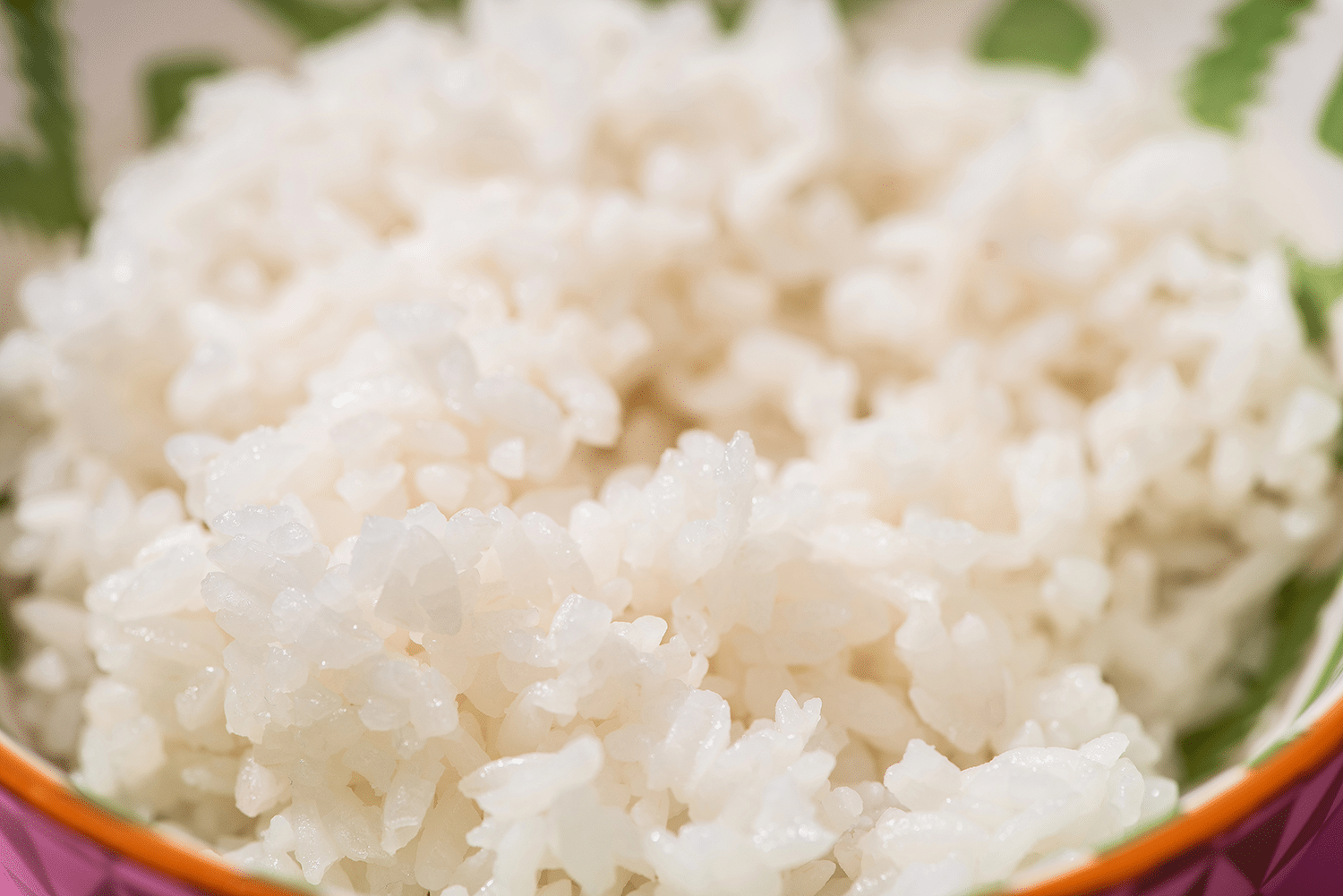
There’s something about the way Japanese food is prepared that just works for kids. The flavors aren’t super spicy or heavily seasoned. Most dishes come with plain white rice, which is basically toddler currency. And the food is often served at room temperature or slightly warm, so no waiting for things to cool down while your kid melts down.
The textures are also pretty mild. Nothing too chewy or tough. Even the raw fish in sushi has this buttery quality that kids seem to love once they try it.
But the real game changer? Watching your kid try something new because they’re in a new place. The excitement of being somewhere different somehow translates into being willing to taste things they’d reject at home (ok, not all of the time, but parents, let’s take a win when we can, OK?).

What My Toddler Actually Ate in Japan
Let me tell you about the salmon roe situation. My son Dek picked one up from a sushi plate, popped it in his mouth, and his eyes lit up like someone had handed him a pile of presents. He went back for another. And another. Before I could process what was happening, he’d eaten two entire pieces of salmon roe sushi.
After two weeks of watching him barely eat, seeing him actually consume protein felt like winning the lottery.
Here’s the full list of what he demolished during that trip:
Salmon roe – Those little salty balls are apparently irresistible to toddlers.
Octopus balls (takoyaki) – These were a massive hit. The crispy outside and soft inside work perfectly for little mouths.
Tempura vegetables – Light, crispy, not greasy. He’d steal them right off my plate.
Yakisoba – Noodles are always a win with kids. These stir-fried noodles were easy to grab and eat.
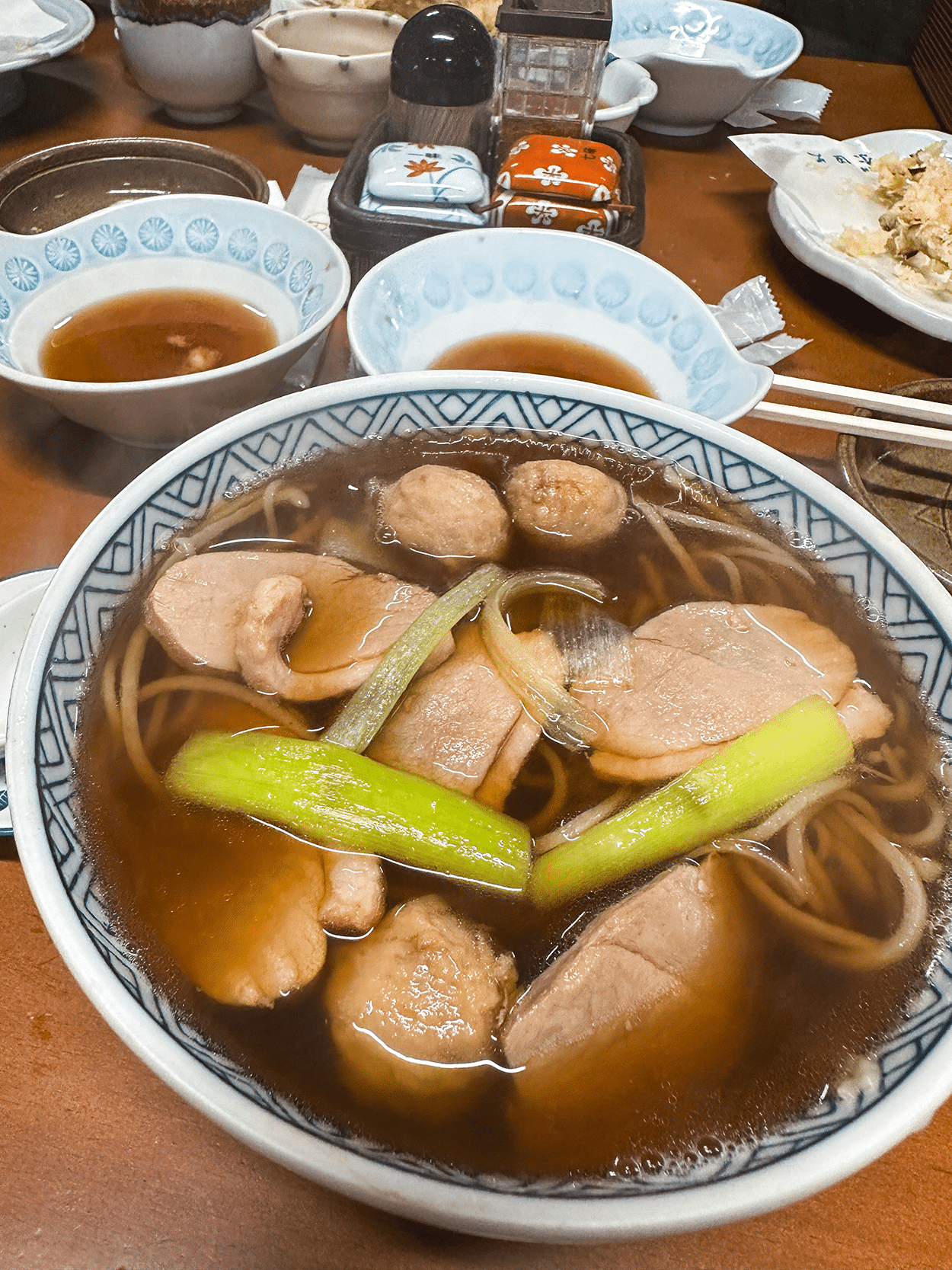
Cold soba noodles – Even served cold, he loved these. The dipping sauce made it fun.
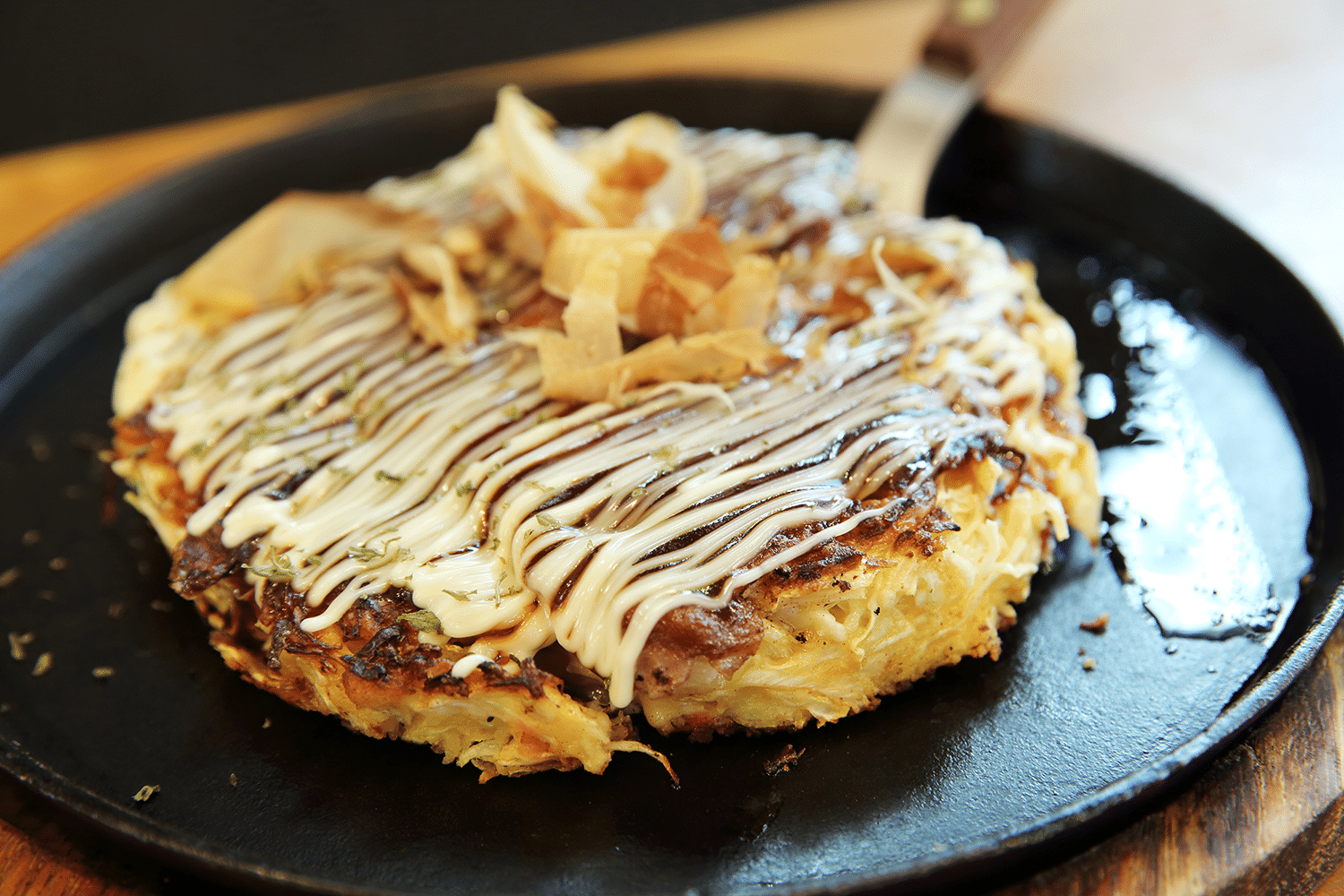
Okonomiyaki – This savory pancake became a game of “do I want pork or seafood today?” Yes, my toddler was making sophisticated food choices.
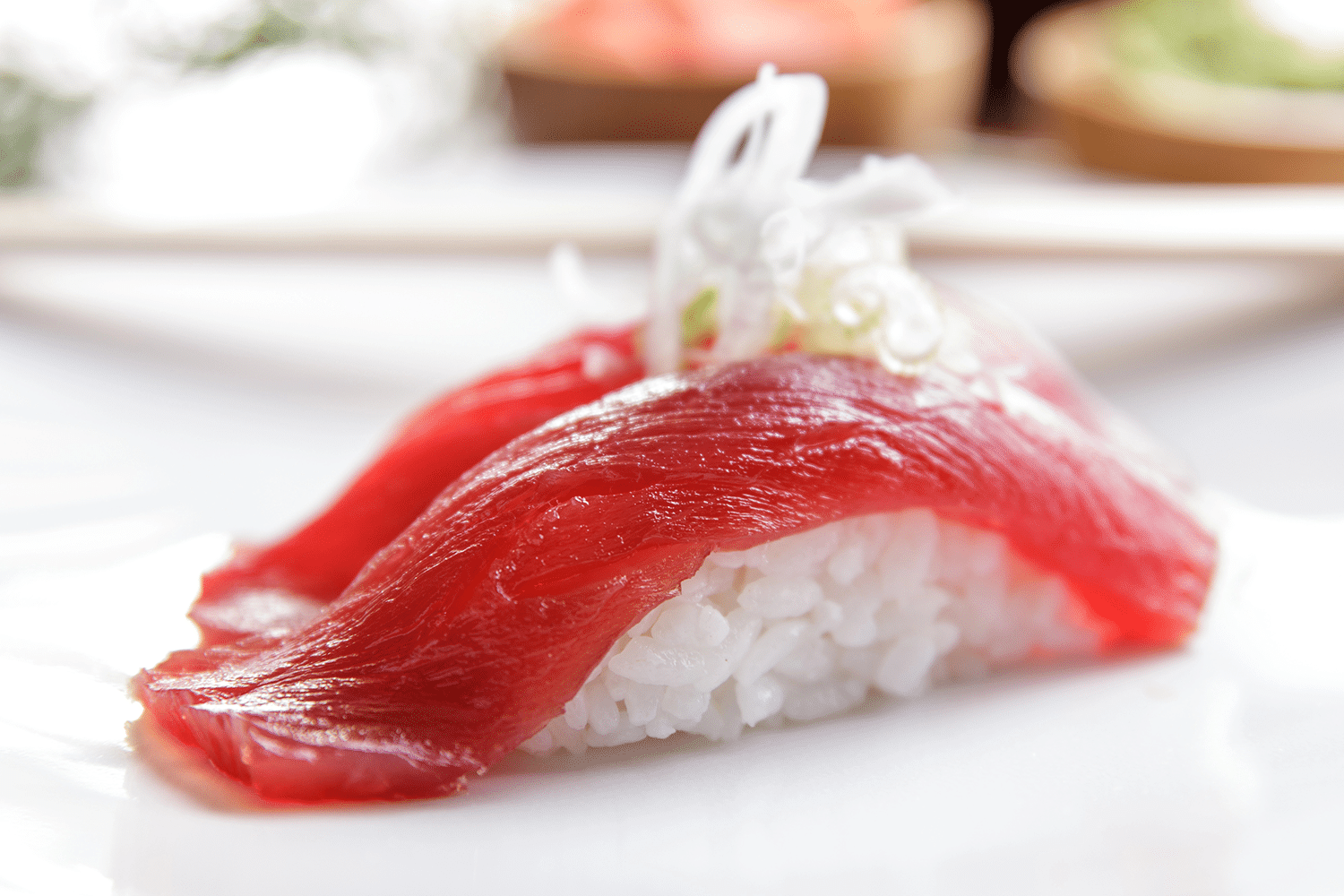
Salmon and tuna nigiri – Plain raw fish on rice. Who knew?
Hibachi-style grilled food – Steak and corn got the thumbs up when cooked on a flat grill.
Plain white rice – He’d never shown interest at home, but in Japan he couldn’t get enough.
The pattern I noticed? If it looked interesting and wasn’t trying too hard, he’d try it. Japanese food doesn’t come drenched in sauces or covered in cheese. It’s straightforward, and kids can actually see what they’re eating.
Where to Find Easy Kid-Friendly Meals in Japan
Department store basements saved our lives in Japan. If you’ve never been to a Japanese department store, the basement level (called “depachika”) is basically food heaven. You’ll find everything from fresh sushi boxes to tempura to yakisoba, all ready to grab and go.
This is where we picked up most of our dinners in Kyoto. After a long day of sightseeing with a tired toddler, the last thing you want is to sit in a restaurant waiting for food. You can walk through, point at what looks good, and be eating in your hotel or vacation rental within 20 minutes.
The food is surprisingly affordable for Japan, fresh, and there’s enough variety that even the pickiest kid will find something. Plus, you can see exactly what you’re getting before you buy it.
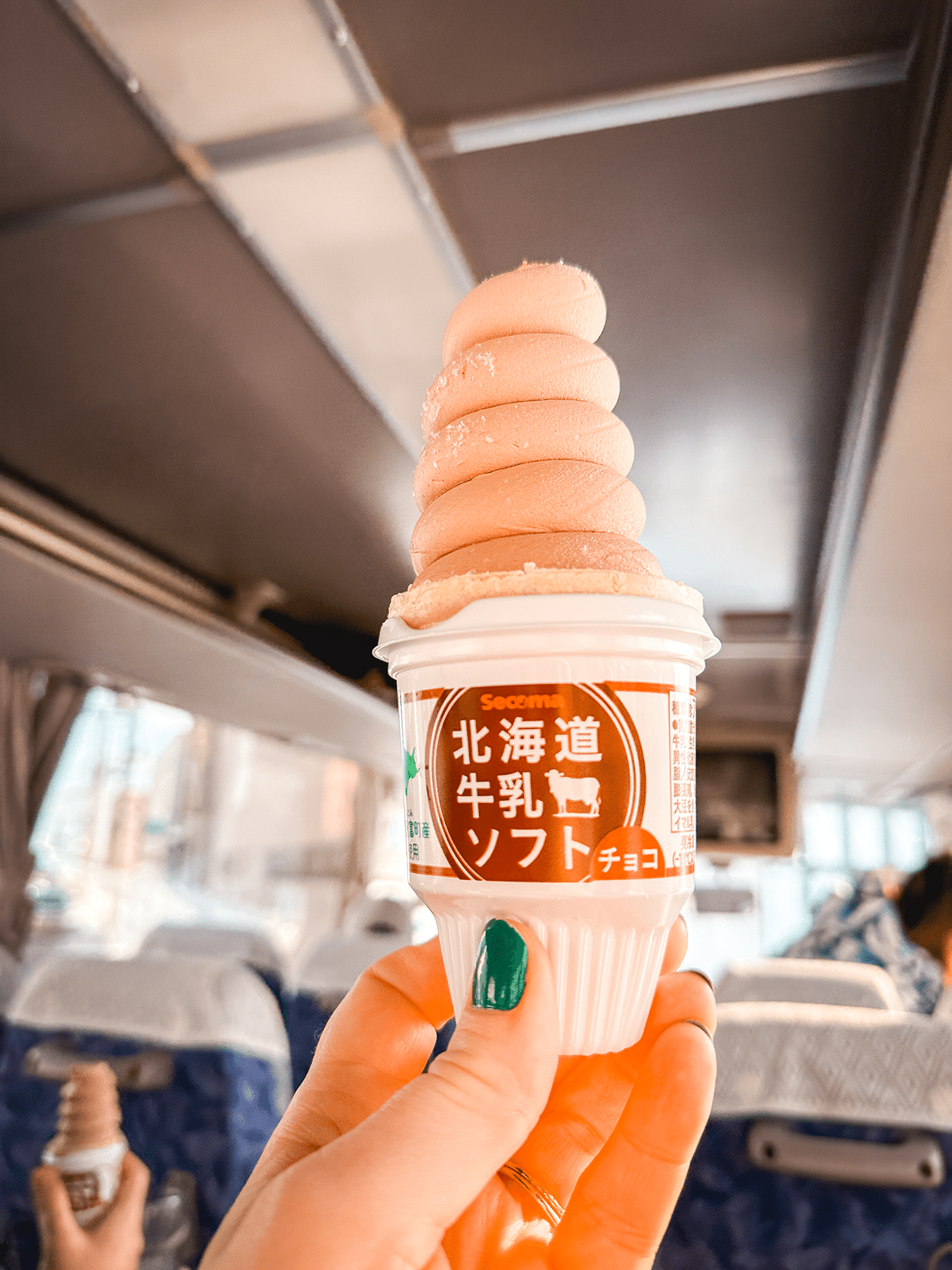
Convenience stores (konbini) are another lifesaver. 7-Eleven, FamilyMart, and Lawson have actual good food. Onigiri (rice balls), sandwiches with the crusts cut off, and hot items like fried chicken. Even more fascinating- white bread sandwiches with whipped cream, fruit and red bean paste.
You can find these stores every few blocks in most cities.
Family restaurants like Gusto, Saizeriya, and Jonathan’s have English picture menus, high chairs, and kid-friendly options. They’re not going to blow your mind, but they’re reliable when you need something familiar.
For a fun experience, conveyor belt sushi restaurants (kaiten-zushi) are perfect for toddlers. The food comes around on a belt, so there’s zero wait time. Your kid can watch the plates go by, which is entertaining enough to prevent meltdowns. Popular chains include Sushiro, Kura Sushi, and Hama Sushi.
You can also book a family-friendly food tour through Viator or GetYourGuide that caters to kids. Guides know which foods tend to work for younger palates and can help you navigate ordering.

How to Order Food in Japan With Kids
Most restaurants in Japan have plastic food displays in the windows or at the entrance. This is incredibly helpful when you have a toddler who can point at what they want. Take a photo of the display with your phone, show it to the staff, and point to what you’d like.
Many restaurants also have picture menus or tablet ordering systems where you can see images of every dish. This takes the guesswork out of ordering when you can’t read Japanese.
Download Google Translate on your phone before you go. The camera function lets you point your phone at a menu and it’ll translate the text in real-time. It’s not perfect, but it’s good enough to tell you if something has seafood or meat.
If you need to communicate dietary restrictions or allergies, write them down in Japanese before your trip. Show the note to restaurant staff. Many Tokyo restaurants are used to tourists with dietary needs.
For babies who need formula or specific foods, grocery stores and drugstores (look for “drug” in English on the storefront) carry familiar brands. Major cities have international supermarkets with imported baby food if you need something specific.
The Foods That Surprised Me Most
I never expected my toddler to love raw fish. At home, getting him to eat chicken nuggets was a victory. But something about being in Japan flipped a switch.
Edamame became a favorite snack. These steamed soybeans come in their own pod, which makes them fun to eat. Most izakayas (Japanese pubs) serve them, and they’re a great way to keep kids busy while you wait for other food.
Onigiri (rice balls) are genius for traveling with kids. You can buy them at any convenience store, they’re wrapped in portable packaging, and they come in tons of flavors. The salmon and tuna mayo ones were hits with my son.
Japanese curry (kare raisu) is mild and slightly sweet, nothing like Indian or Thai curry. It comes with rice and is served at almost every family restaurant. It’s the comfort food that even cautious eaters will try.
Udon noodles in hot broth worked better than I expected. The noodles are thick and easy for little hands to manage with chopsticks or a fork. The broth isn’t spicy, just savory.
One thing I learned: don’t tell your kid what’s in the food before they try it. Just put it in front of them. Half the battle with picky eaters is them deciding they don’t like something before they’ve even tasted it.
What to Pack for Eating Out in Japan
I always travel with a few key items that make dining out with toddlers easier. A portable high chair harness is essential since not all restaurants have high chairs. These clip onto regular chairs and weigh almost nothing in your bag.
Bring reusable snack containers for leftovers or for packing snacks from convenience stores. Japanese portions can be large, and you don’t want to waste food.
Disposable placemats are helpful for keeping restaurant tables clean. Some places in Japan don’t love messes, so having something to catch the food your toddler inevitably drops makes cleanup easier.
A small utensil set is smart too. Not every restaurant will have kid-sized forks and spoons, and chopsticks might be too advanced for your toddler (though mine loved trying).
For longer days out, pack an insulated lunch bag so you can store food from convenience stores or department store basements. This saved us when we were out all day at temples or parks.
The Sushi Situation
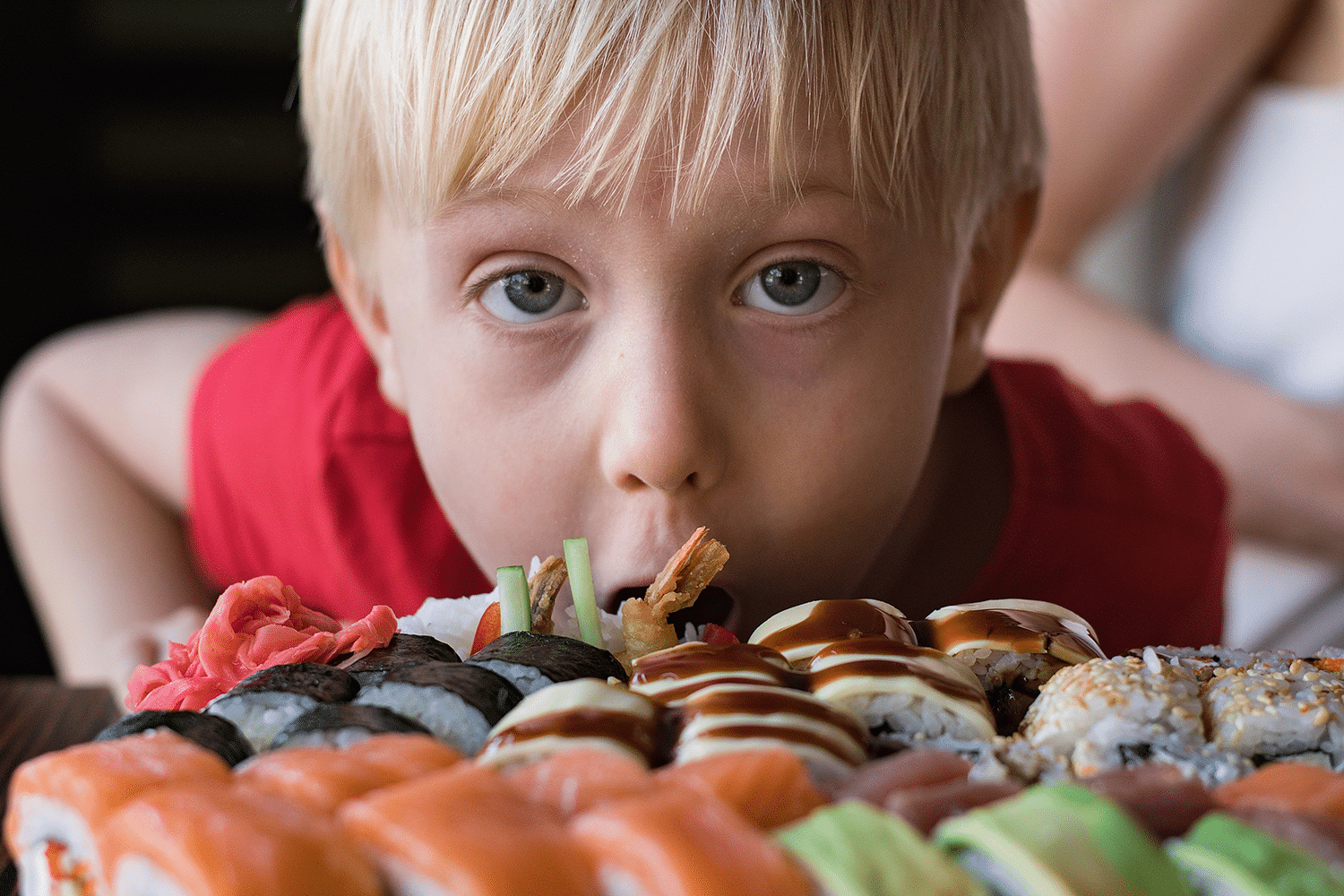
When we got back to the States, my son kept asking for sushi. This kid who wouldn’t touch fish at home suddenly had opinions about whether he preferred avocado rolls or Philadelphia rolls.
Conveyor belt sushi restaurants became our regular dinner spot. The food arrives instantly, which is key when you’re dealing with a hungry toddler who has a 30-second patience window. The belt is also endlessly entertaining. Food moving around the room on a track? That’s toddler gold.
If your kid has never tried sushi, Japan is actually the perfect place to introduce it. The quality is better than what you’ll find at most American restaurants, and the prices are often cheaper. Plus, seeing other kids eating it normalizes the whole experience.
Start with tamago (sweet egg) sushi if your kid is nervous. It’s cooked, slightly sweet, and looks familiar enough that most kids will try it. From there, move to salmon or tuna nigiri. The fish is so fresh in Japan that it doesn’t have that “fishy” taste that turns kids off.
Inari sushi (sweet tofu pockets filled with rice) is another good starter. It’s vegetarian, slightly sweet, and has a fun texture.
For kids who refuse raw fish entirely, most sushi restaurants also serve cucumber rolls, tamago, and cooked shrimp options. You’re not stuck with only raw options.

Making It Work When Your Kid Won’t Cooperate
Look, not every meal is going to be a success. Some days your toddler will decide that the tempura they loved yesterday is now the worst thing ever created.
Keep backup snacks in your bag always. Crackers, dried fruit, whatever your kid reliably eats. Sometimes you just need to get through a meal without a tantrum, and that’s fine.
Convenience stores are your friend for those moments. If dinner isn’t working out, you can grab onigiri, a banana, and a carton of milk in under five minutes. No shame in the convenience store dinner game.
Many parks in Japan have vending machines and small food stands. When we needed a break from restaurants, we’d pick up food and have an impromptu picnic. My son was way more willing to try new foods when he could run around between bites.
Hotel breakfasts at business hotels often have both Western and Japanese options. Even picky eaters can find something at a breakfast buffet, and it’s usually included in your room rate.
If you’re really struggling, international chains exist in major Japanese cities. McDonald’s, KFC, and other familiar restaurants can be a relief valve when your kid is completely over trying new things. The Japanese versions often have unique menu items that are actually interesting.

What Changed After That Trip
That trip to Japan shifted how I approached food with my kids on all our travels. I stopped assuming they wouldn’t like something and just started offering whatever we were eating.
The lesson wasn’t really about Japanese food specifically. It was about how kids surprise you when you give them the chance. In a new environment, with different stimuli and no preconceived notions about what they “should” like, they’re often willing to try things that would be a hard no at home.
My son still loves sushi. He’s a teenager now, and whenever we go out for sushi, he just lets his dad order and tries everything. That first taste in Kyoto stuck with him.
Japan taught me that “kid-friendly” doesn’t have to mean chicken fingers and French fries. Sometimes it means octopus balls and cold soba noodles. You just have to be willing to let your kid try.
Planning Your Japan Trip With Little Kids
If this is your first time taking a baby or toddler to Japan, focus on cities with good infrastructure first. Tokyo, Osaka, and Kyoto are all manageable with kids and have tons of food options.
Need help planning the logistics? I put together a Weekend Trip Planner that works for longer trips too. It helps you organize everything from accommodations to daily schedules without losing your mind.
For dealing with jet lag (because that’s real with kids), check out my Jet Lag Guide. Getting your toddler’s sleep schedule sorted makes everything else easier, including mealtimes.
If you’re planning to fly, my guide on Flying with Kids covers everything from what to pack in your carry-on to managing meltdowns at 30,000 feet.
Consider booking your accommodations through Expedia so you can filter for family-friendly hotels with amenities like cribs and high chairs. Location matters more when you’re traveling with toddlers since you’ll be making multiple trips back to your room for naps and early bedtimes.
For getting around Japan, I recommend booking a car rental if you’re venturing outside major cities. Having your own car gives you flexibility for nap schedules and lets you bring along a cooler for snacks and drinks.
Want to capture your family enjoying all this amazing food? Flytographer connects you with local photographers in Japanese cities. You’ll actually be in the photos instead of always being behind the camera (save $20 when you use my link).
For more detailed Japan itineraries and guides, browse my Travel Shop where I’ve mapped out family-friendly routes that include the best places to eat with kids.
So What Does This Mean for You?
Your picky eater might surprise you in Japan. The food is approachable, available everywhere, and often exactly what toddlers love even if they don’t know it yet.
Don’t stress about finding “kid food.” Just start with what looks good to you and offer it to your child. The worst that happens is they don’t like it and you have more conveyor belt sushi for yourself.
Japan remains one of my favorite places to travel with young kids specifically because feeding them is so much easier than I expected. Between the convenience stores, department store food halls, and restaurants with picture menus, you’re never stuck or stressed about meals.
That trip when my son was 21 months old opened up a whole world of travel for our family. If we could make it work in Japan with a toddler who barely ate, we could make it work anywhere.
Now go book that trip and watch your kid devour some salmon roe.