Most people plan trips around a single season. They think of Colorado in winter, Maine in summer, and New Orleans for Mardi Gras. However, you are missing out on what makes a destination great when you limit yourself by season, and pigeonhole a place as only being good in certain months.
The places worth returning to aren’t amazing because of one season. They’re great because they keep giving you reasons to come back throughout the year.
These are the US destinations that are worth visiting throughout the year; places where the off-season isn’t an afterthought, just a different and often better version of itself. Oh, and sometimes way cheaper!

TL; DR
Don’t have time to read the full article?
Here are my top travel favs:
- Hotels & Rentals
- Tours
- Cheap Flight Tracker
- Rental Car
- Flytographer ($20 off your first photo session)
1. Vail, Colorado
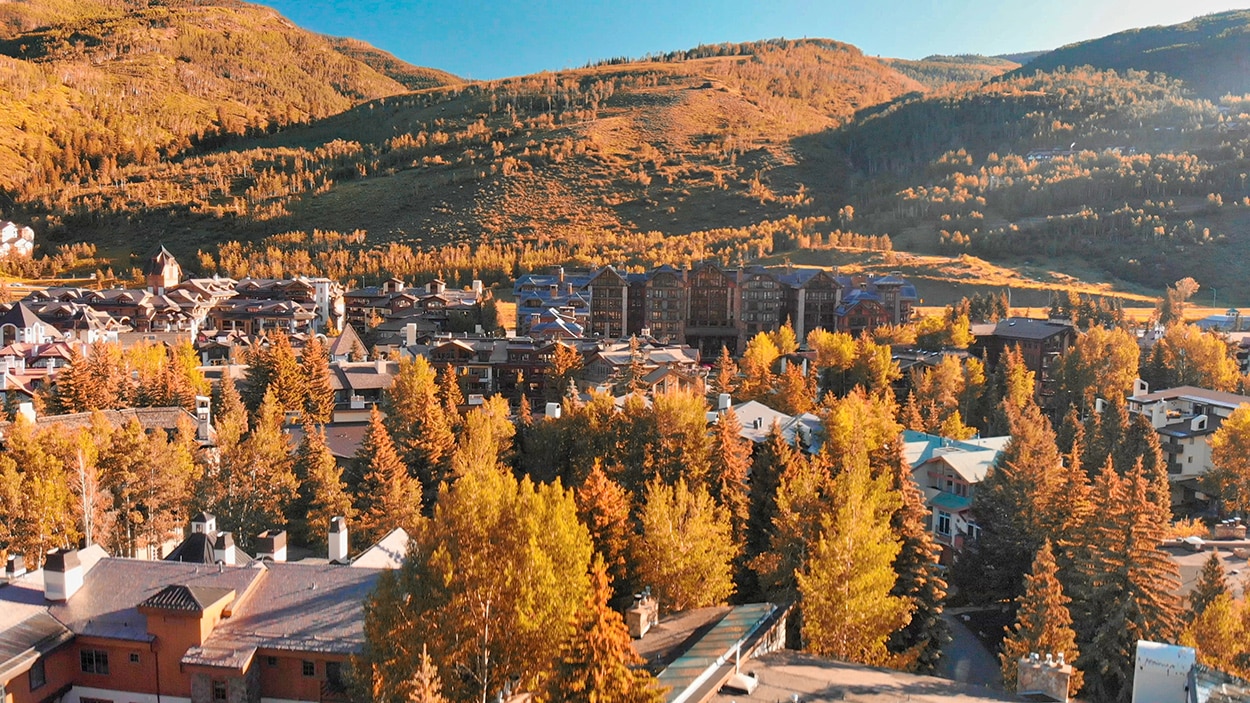
Vail’s reputation is built on snow, though I’ve only ever been there in the fall. The ski mountain is one of the best in North America. The back bowls alone cover more than 2,700 acres of terrain.
But summer Vail is a different and underrated version of the place.
Come June, the mountain opens as Epic Discovery: a full adventure park with a mountain coaster, ziplines, a climbing wall, summer tubing, and bungee trampolines.
Beyond the mountain, summer means whitewater rafting and kayaking on the Colorado River, horseback rides through aspen forests (incredible when the fall colors are out!), fly fishing, and outdoor concerts at the Gerald R. Ford Amphitheater.
The pricing in the off-season is even better. Winter rates in Vail are steep. Spring and fall shoulder seasons offer the same mountain backdrop at a big discount.
Book lodging on Expedia and browse Vail tours and activities on Viator.
If you’re combining Vail with a broader Colorado road trip, check out my road trip planning guide and rent a car through Discover Cars for the most flexibility moving around the state.
2. Lake Tahoe, California/Nevada
Straddling the California-Nevada border in the Sierra Nevada, Lake Tahoe has more than a dozen ski resorts within reach, including Palisades Tahoe, which hosted the 1960 Winter Olympics, and Heavenly, which celebrated its 70th anniversary season in 2025/2026.
In winter, you can ski, snowshoe around Emerald Bay, ice skate in Heavenly Village, or sit by a fire watching snow pile up outside. The après-ski scene along the South Shore is pretty darn good, too.
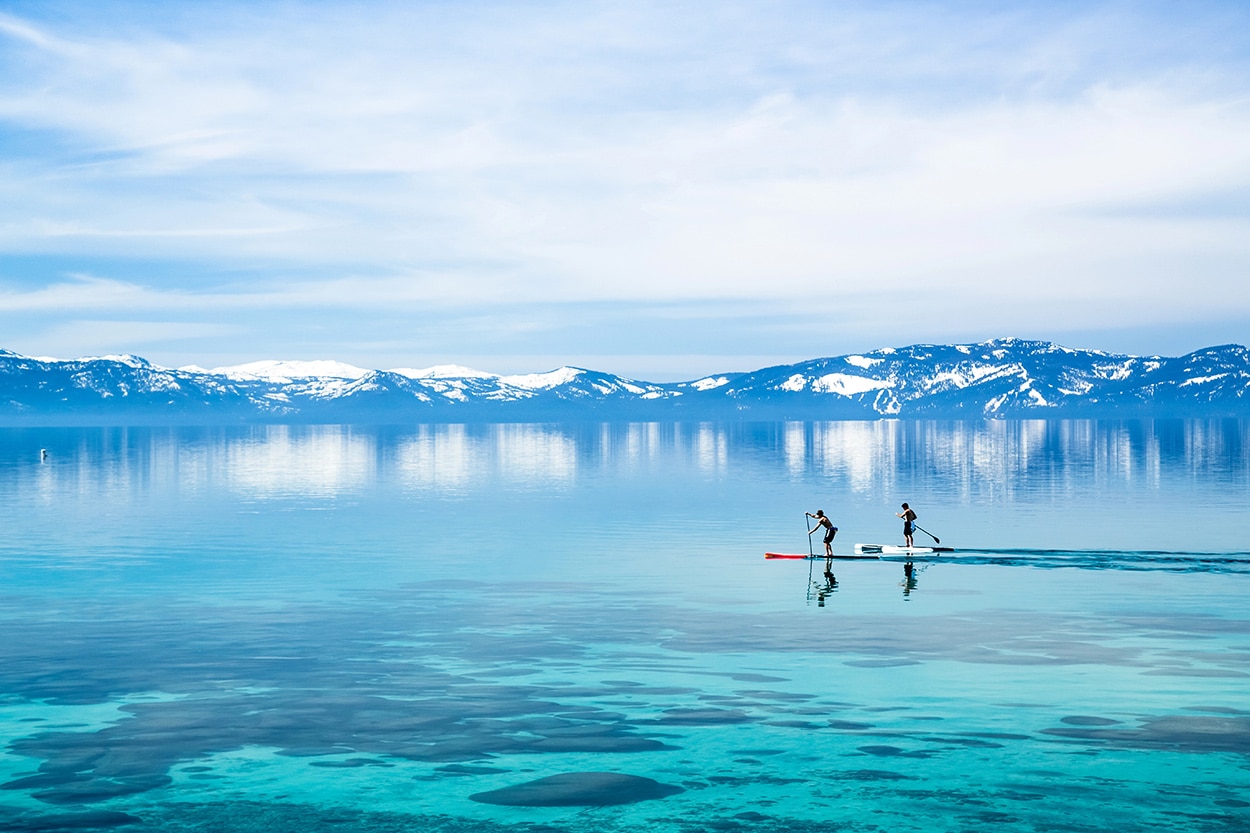
In summer, the lake itself is the main attraction. Sand Harbor, Kings Beach, and Zephyr Cove fill up, and the water, incredibly clear at this elevation, is swimmable by July, or so my kids tell me. I’m a chicken if the water is below 80 degrees.
Paddleboarding, kayaking, sailing, and boat tours are all easy to arrange. The summer calendar offers everything from outdoor concerts to the Lake Tahoe Shakespeare Festival at Sand Harbor to the American Century Championship celebrity golf tournament at Edgewood Tahoe.
Book water sports and lake tours through Viator well in advance for July and August. Things sell out fast.
For lodging across both shores, Expedia covers the full range from casino hotels to mountain cabins.
3. Michigan’s Upper Peninsula
The Upper Peninsula (or the U.P., as some call it in Michigan) has one of the most dedicated regional travel followings in the country, and once you’ve been, you’ll understand why.
Winter offers snowmobiling on hundreds of miles of groomed trails, cross-country skiing, and ice fishing on frozen lakes that develop their own communities of shanties by January.
The U.P. gets real snow, not the kind of dusting that closes down other parts of the country.
Summer shifts everything towards Rocks National Lakeshore, where sandstone cliffs drop straight into Lake Superior, and it is unlike anything else in the Midwest.
Mackinac Island is a ferry ride away and worth the visit: no cars, fudge shops on every corner, and a pace that feels like it belongs to a different century.
Kayaking, boating, and waterfall chasing fill out the rest of the itinerary.
Browse U.P. guided tours on Viator.
If you’re planning a full Michigan road trip, my road trip planning guide covers the logistics from start to finish.
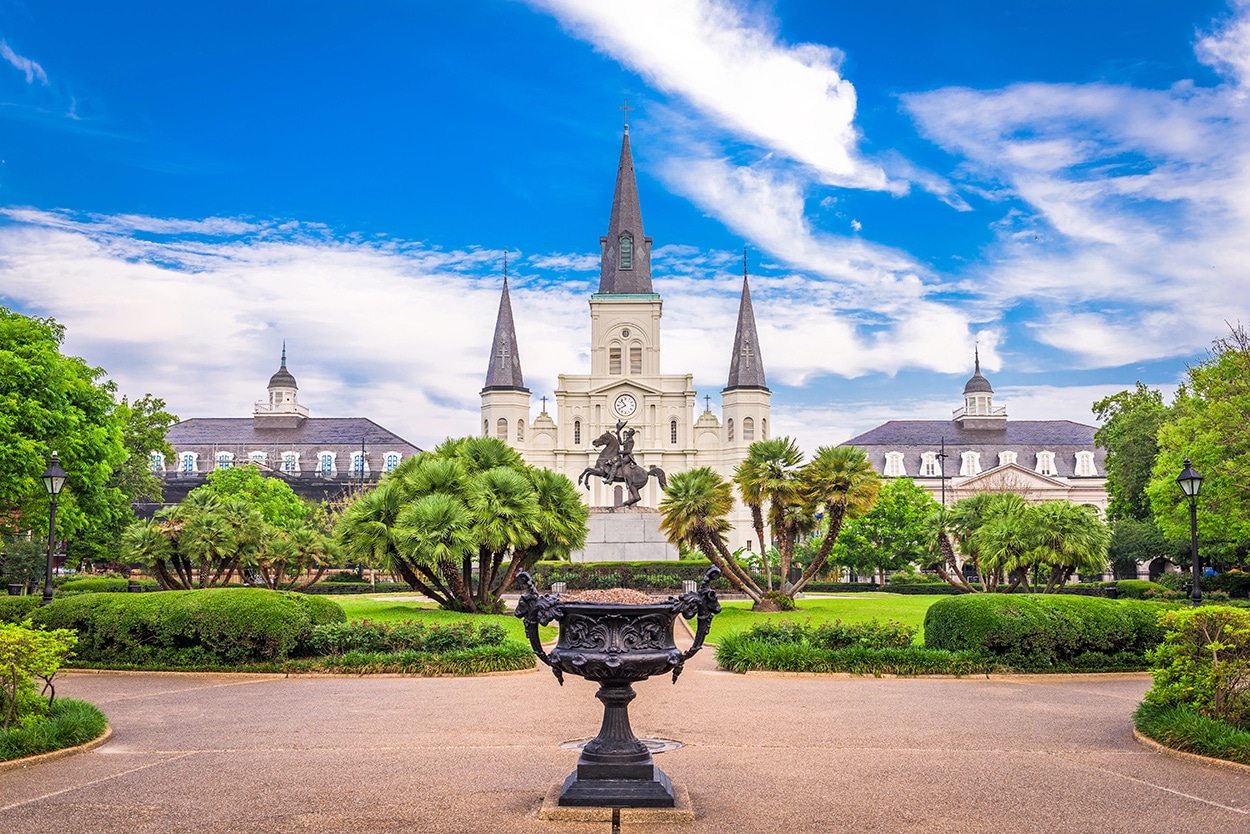
4. New Orleans, Louisiana
Few American cities have as strong an identity in every season as New Orleans. Mardi Gras is the obvious time people visit, and yes, it’s worth doing at least once.
But New Orleans in October, or on a random Tuesday in March, is equally fun. The food, the music, the architecture, and the particular way the city operates on its own schedule aren’t seasonal at all.
Jazz Fest in late April and early May draws big-time music fans from across the world.
The French Quarter Festival in April is free and tends to feel more local.
Summer is hot and humid, which can be stifling, but it’s also when the city is least crowded, and hotels are cheapest.
The food scene operates year-round with no drop in quality. There are several notable restaurants worth traveling for, and hundreds of neighborhood spots that don’t need the tourism calendar to stay busy.
A walking food tour through Viator is worth doing on a first visit. The history you’ll learn and the stories behind the food make the food that much tastier.
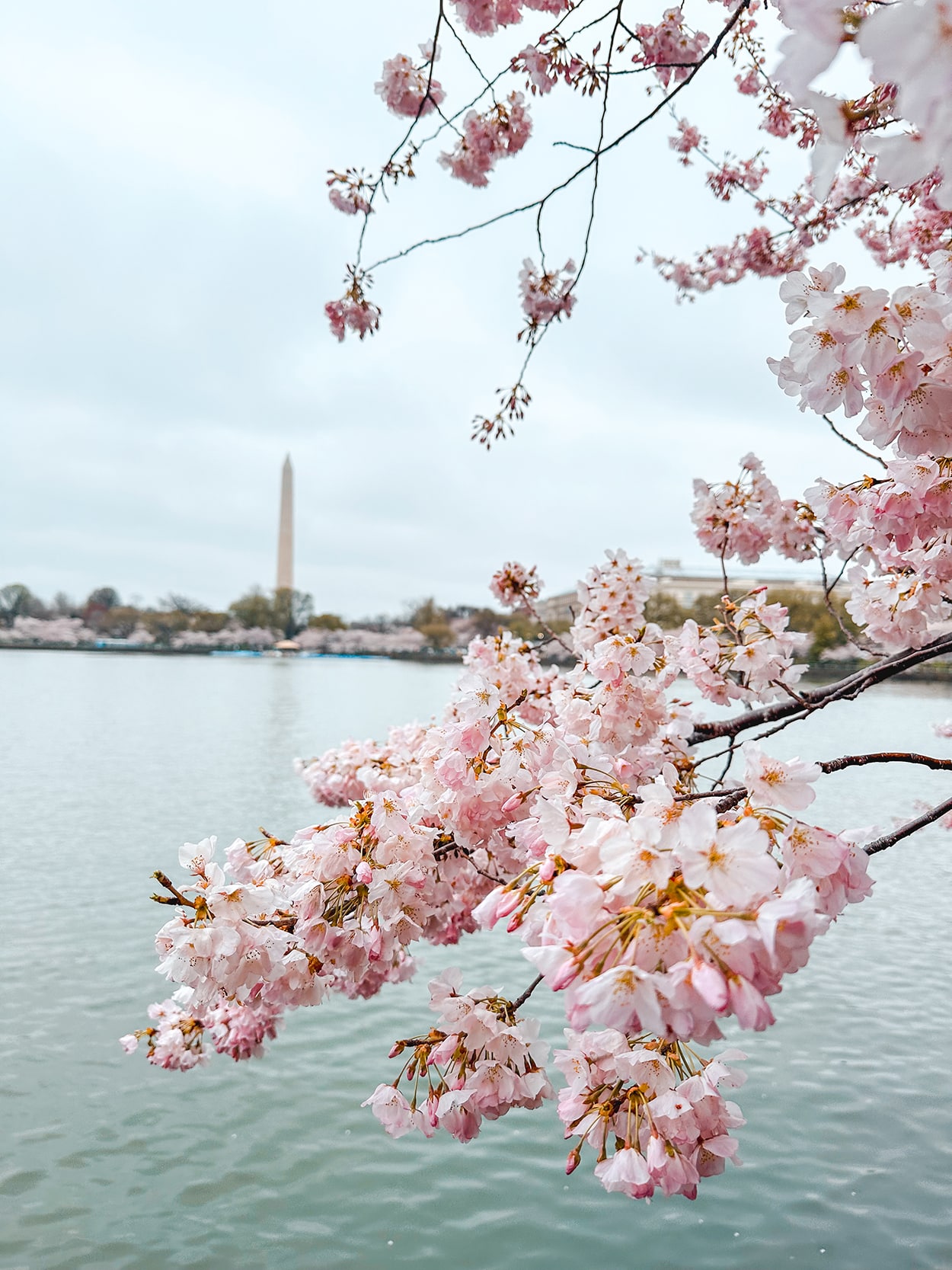
5. Washington, D.C.
I lived in Washington, DC, for almost a decade while my kids were growing up, so I definitely know that it doesn’t have an off-season.
D.C. has a cherry blossom season that briefly makes everyone lose their minds in spring, a summer that draws school groups and tourists, and a fall and winter that locals quietly enjoy while crowds thin out.
Honestly, Christmas is my favorite time in the city, as businesses and houses go all out. Halloween is another underrated time to visit, but the decor, especially in Georgetown, throughout the month of October is super fun to explore.
The Smithsonian museums (National Gallery, Holocaust Memorial Museum, National Museum of African American History and Culture, and the rest) are free and world-class, which means this part of your travel budget doesn’t determine the quality of your trip.
The monuments are best at night or early morning, when you can simply enjoy them without fighting for elbow room.
If you’re planning a family trip, my full Washington DC with teens guide covers the city the way someone who actually lived there sees it.
Book DC hotels on Expedia and lock in early reservations for spring and summer, which fills up fast.
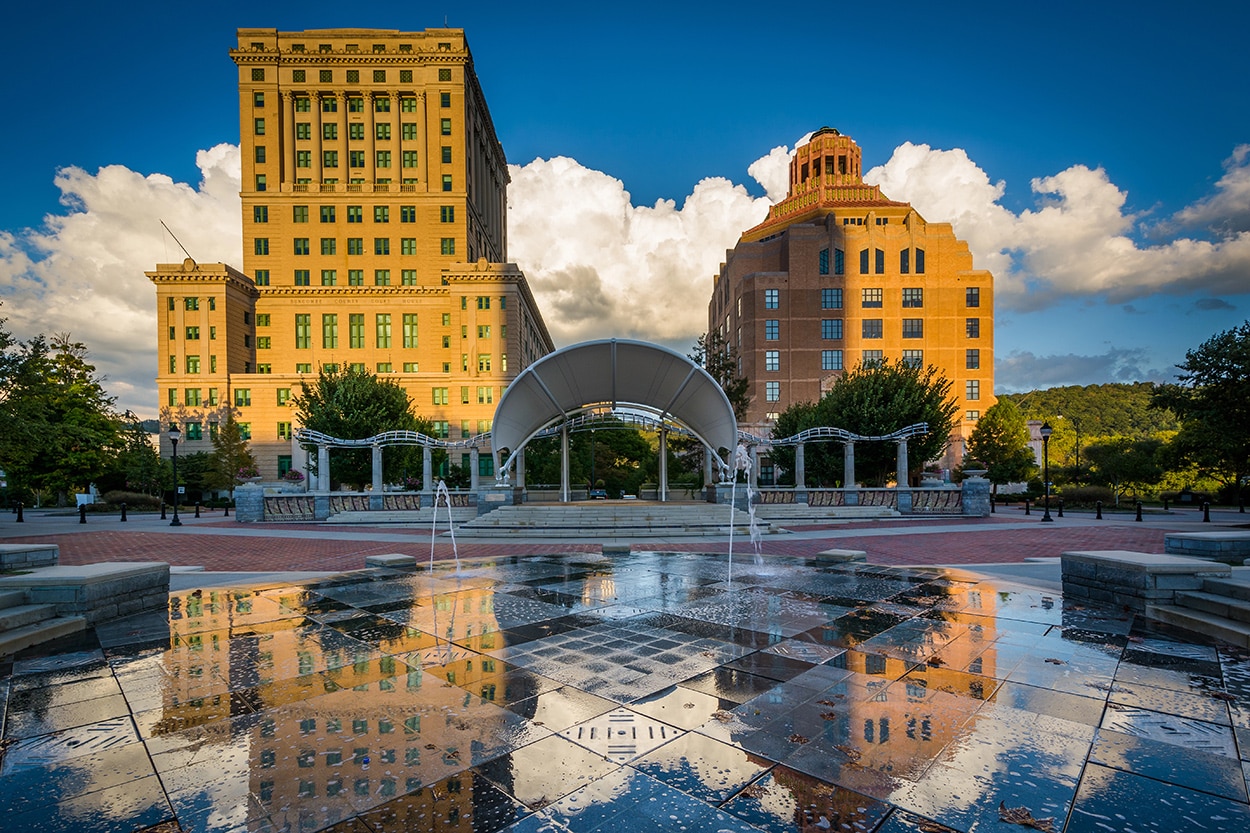
6. Asheville, North Carolina
Asheville, in the Blue Ridge Mountains of western North Carolina, has spent the last decade becoming one of the most interesting small cities in the South. The food and craft beer scene, independent music venues, and the art galleries in the River Arts District outperform what you’d expect in a small city.
The surrounding mountains make every season look different.
- Fall foliage in October that rivals New England, without the New England crowds or prices.
- Summer hiking on the Blue Ridge Parkway and white-water rafting on the French Broad River.
- Winter is quiet and cold, and the Biltmore Estate runs Christmas programming for those who want a reason to visit in the off-peak months.
The Biltmore is worth the trip alone, with eight thousand acres, the largest privately owned house in the country, and a winery on the property.
Browse Asheville tours and outdoor experiences on Viator.
Expedia has a wide range of lodging from downtown boutique hotels to mountain cabins outside the city.
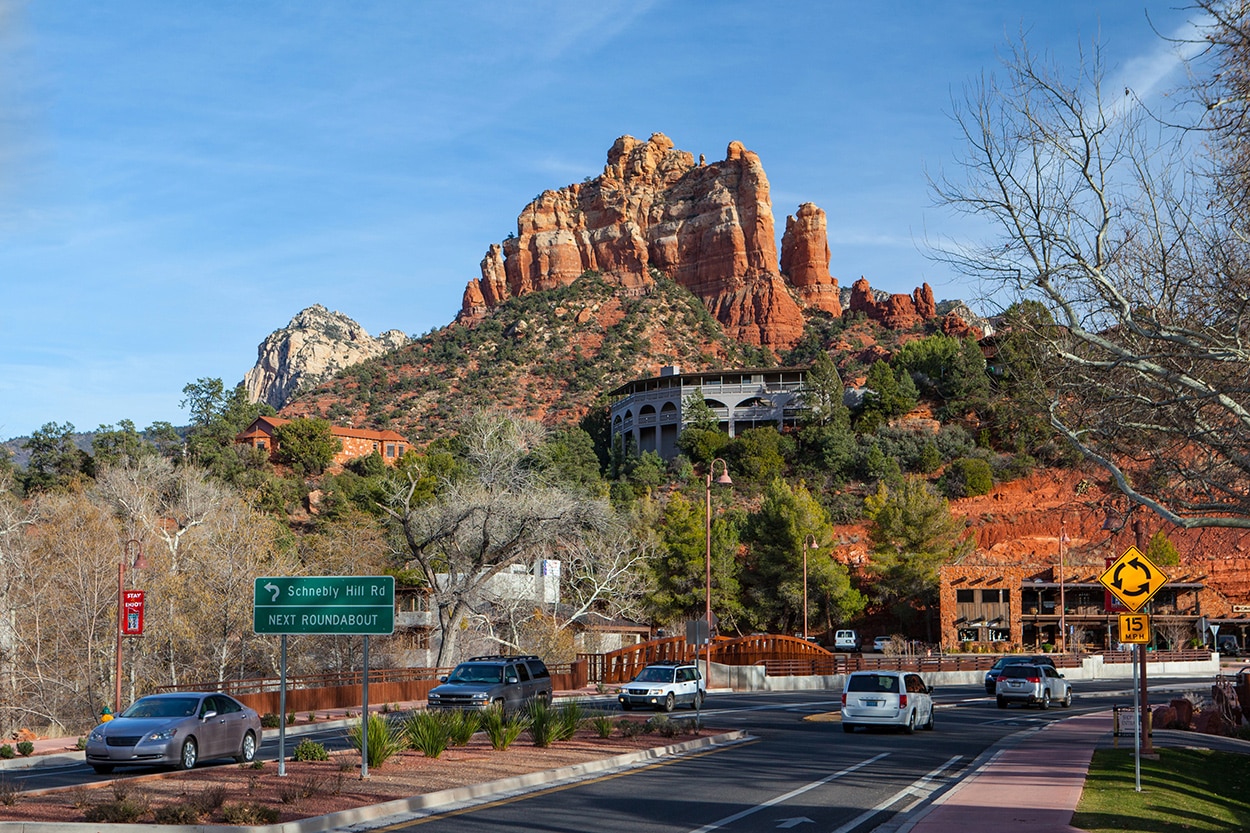
7. Sedona, Arizona
Sedona’s red rock landscape is photogenic enough that it looks filtered even when you’re standing right in front of it.
What makes it worth visiting in every season is that the desert operates differently from most American landscapes. The extremes that close off other destinations mostly just shift the activity window here.
Summer mornings are for hiking before temperatures climb. Summer evenings are for sitting on a patio watching the rocks change color at sunset.
Winter is mild by most standards, with daytime highs in the 50s and low 60s, and crowds thin considerably after the holidays.
Spring brings wildflowers and probably the best weather of the year before the dry heat rolls back in.
Vortex sites (“renowned spots of heightened spiritual and metaphysical energy,” according to Sedona.net), jeep tours through the backcountry, spa retreats, and serious hiking on trails like Cathedral Rock and Bell Rock fill every interest and itinerary.
Book Sedona jeep tours and hiking excursions through Viator.
Since Sedona doesn’t have a commercial airport, most people fly into Phoenix. Check Discover Cars for rental rates out of Sky Harbor, and pop into Tempe, AZ if you have a minute. It has way more going on than most people think.
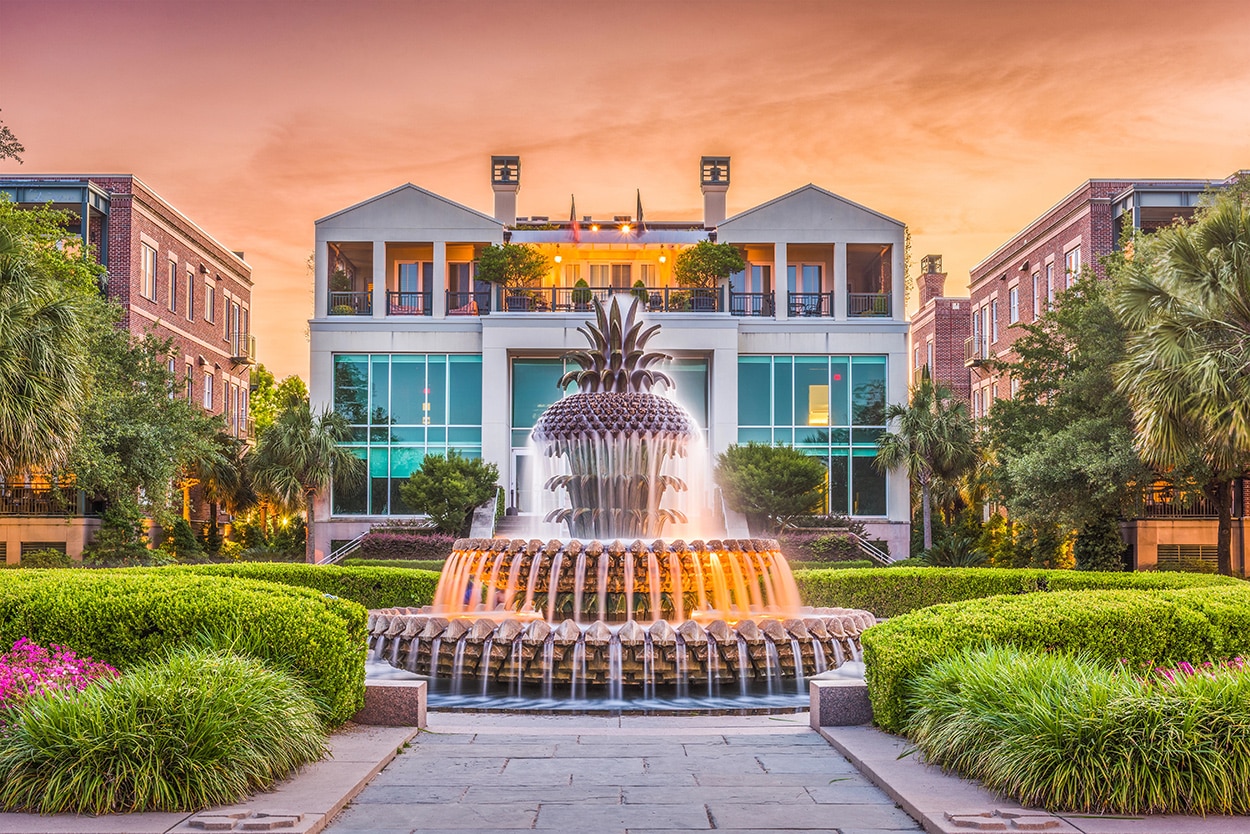
8. Charleston, South Carolina
Charleston has always been good, but over the past several years, it’s become one of the most consistently well-reviewed food cities in the country.
Unlike some food cities, the quality is distributed across price points. You can spend $200 a person at Husk or spend $15 at a Lowcountry lunch counter.
The historic district, cobblestone streets, and antebellum architecture don’t change by season. Winter in Charleston is fairly mild, with highs in the 50s and 60s, and it’s the best time to explore without fighting the summer heat and humidity.
The Wine and Food Festival in March draws serious culinary talent.
Spring is peak season, with azaleas, mild temperatures, and the gardens at Magnolia Plantation in full bloom.
For a day trip, the barrier islands (Kiawah, Sullivan’s Island, Isle of Palms) are accessible year-round, though swimming season runs May through September. You can also head down to Savannah, GA for a similar vibe and climate throughout the year.
Browse Charleston tours on Viator and book hotels on Expedia.
A Flytographer session in Charleston is a must. The architecture and lighting in the historic district photograph beautifully (save $20 with my link).
9. Palm Springs, California
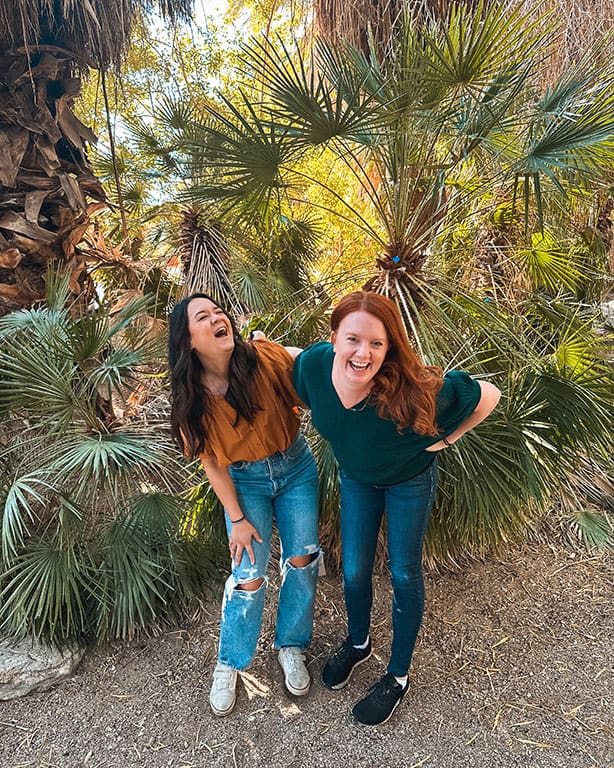
Palm Springs is about two hours from Los Angeles. I love grabbing a friend for a girls’ getaway in late autumn through early spring while the temperatures are still manageable.
The mid-century modern architecture, swimming pool culture, desert light, mountain backdrop, and proximity to Joshua Tree all make it a fantastic place to explore.
The season logic in Palm Springs runs opposite to most places: winter and spring are the prime months, when temperatures are in the 60s and 70s and the Coachella Valley is green.
Summer is hot, like triple digits in July and August are the norm, but that’s also when hotels drop their rates, and the crowds disappear. If you can handle the heat and stay hydrated, the off-season economics may make it worth it.
Modernism Week in February draws architecture and design fans from across the country. Coachella and Stagecoach in April make the entire valley harder to book and way more expensive.
Joshua Tree National Park is about 45 minutes away and worth a day trip year-round, though early morning and late afternoon are the best times to be there.
Browse Palm Springs tours on Viator and book hotels on Expedia. And since you’re driving out from LA (or flying into Palm Springs International), Discover Cars is worth checking for rates so you can get around town more easily.
10. Maui, Hawaii
Maui technically doesn’t have an off-season (it’s Hawaii), but it has a less crowded season.
Summer (June through August) is busy but slightly more affordable than the winter holiday stretch.
The shoulder months of April-May and September-October offer the best combination of weather, availability, and price.
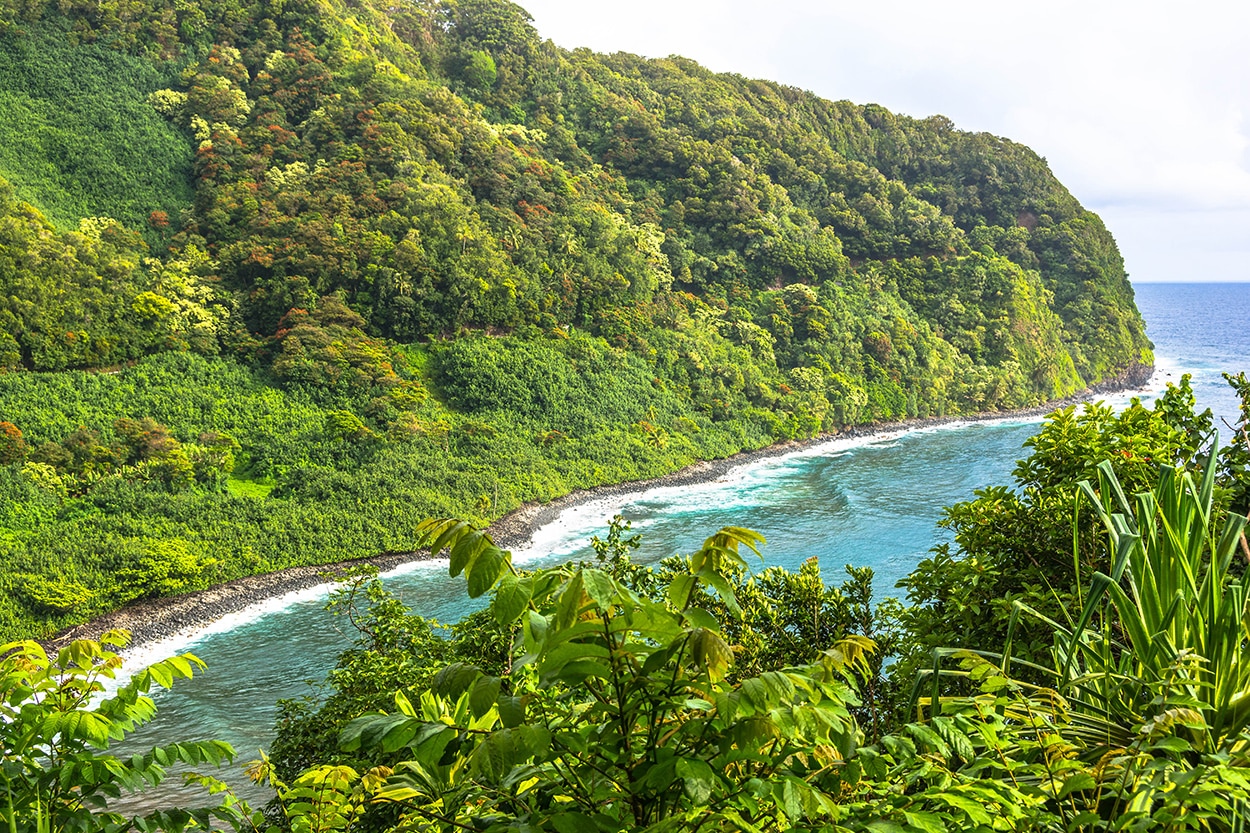
The Road to Hana is one of my favorite drives any time of year, but it requires an early start and either a full day or an overnight in Hana to do it properly.
Snorkeling at Molokini Crater, whale watching from December through April when humpbacks are in the channel, and sunrise at Haleakala are on almost everyone’s bucketlist, but so is a stop at Julia’s for banana bread and passionfruit butter (if she has any, and you want to make a drive around the NW loop on the island).
Lahaina, largely destroyed in the August 2023 wildfire, is still rebuilding; the surrounding areas of West Maui remain open and active, last we checked.
Book Maui snorkeling, helicopter tours, and Road to Hana excursions through Viator.
For hotel options across the island, Expedia covers everything from Wailea luxury resorts to smaller North Shore properties.
A Flytographer session in Maui is the one splurge I’d recommend planning in advance. The light there is hard to replicate, and professional photos from a trip like this are the kind of thing you don’t regret (and you can save $20 with my link).

11. San Diego, California
San Diego has the most consistent year-round weather of any major American city. Average highs hover between 65°F and 76°F across all twelve months, although we’ve been seeing higher summer temperatures in recent years.
The San Diego Zoo is one of the best in the world, while Balboa Park is home to 17 museums and enough walking to fill two full days.
The neighborhoods (Gaslamp Quarter, North Park, Little Italy, Ocean Beach) are distinct enough from each other that moving between them feels like moving between different cities.
The craft beer scene is good enough to keep my husband happy, and there are enough decent cocktail bars that I can sip my way through to make the drive down from Long Beach, CA.
For families, the combination of the zoo, Balboa Park, and beaches like La Jolla Cove and Coronado makes San Diego one of the easiest family trip destinations in the country.
I’ve taken my own kids there multiple times and they still enjoy going back (mostly because of all the aircraft on the USS Midway they are obsessed with).
Book San Diego hotels on Expedia and find tours and activities on Viator.
12. New York City, New York
New York, in any season, has more going on than most people can tackle in a week. January through early March, after the holiday crowds clear out, is when you get the city at its most local, and the best prices. I go every January for a conference, and I always tack on a few extra days to see a Broadway show and hit a new museum.
Museums have no lines. Restaurant reservations open up (late January is also restaurant week), and the energy dials down to hibernation mode as people try to avoid the cold temps.
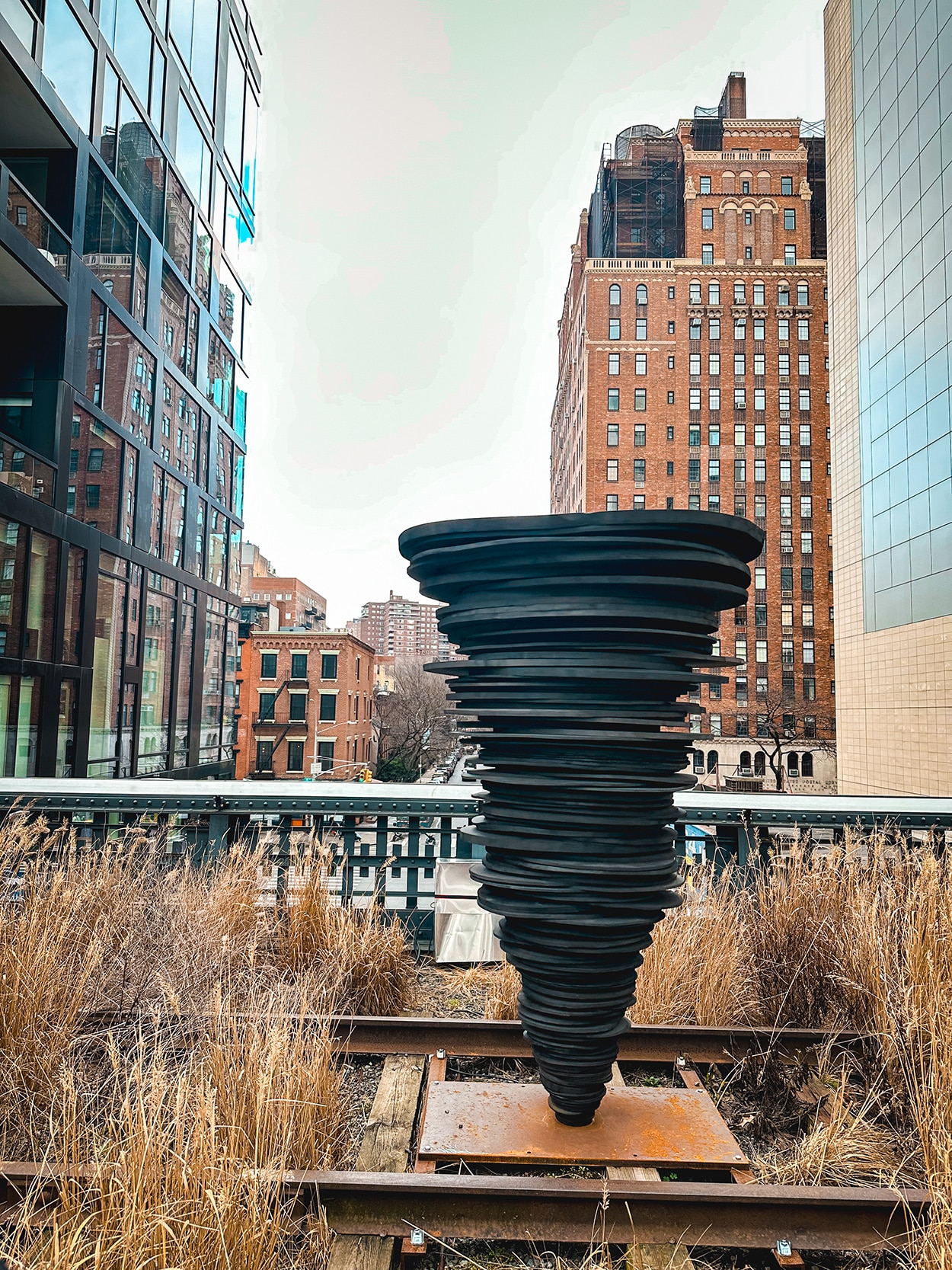
Summer has the free outdoor concerts in Central Park, Shakespeare in the Park, the High Line in full bloom, rooftop bars, and enough street festivals to fill every weekend.
Fall is the conventional best time to visit, as the light is good, the temperatures are mild, and the city looks its best.
The neighborhoods worth building your trip around change depending on your interests, but Brooklyn (specifically Williamsburg, DUMBO, and Carroll Gardens- check out my friend’s site for more: Your Brooklyn Guide) rivals Manhattan in interest for many visitors.
Book NYC hotels on Expedia and find experiences on Viator.

A Note on Booking Strategy
The single most effective thing you can do to travel more and spend less is to move on deals early rather than last-minute.
A GOING membership tracks flight prices and alerts you when fares drop significantly to destinations on your radar. It’s how people end up in Maui in March for what they’d normally pay in November.
If you are in planning mode, my vacation planner checklist and weekend trip planner cover the logistics, so you don’t have to improvise under pressure. If you’re considering any of these destinations with kids, my guide to flying with kids is worth a read before you book anything.
The United States is large enough and varied enough that running out of places to go is not really the problem. Picking one and going is, and we haven’t even gotten into the best year-round US National Parks!