Growing up, my mom was obsessed with packing lists. She’d hand my sister and me these detailed checklists before every trip, and it drove me absolutely crazy. I swore I’d never be that person.
Fast forward to having my own kids, and guess what? I became exactly that person. Because when you’re wrangling two boys (now ages 13 and 16) through multiple Ireland trips in different seasons, packing lists aren’t just helpful. They’re survival.
We’ve been to Ireland in spring, summer, autumn, and even Christmas. My youngest has “fallen” into pretty much every body of water the country has to offer (the Aran Islands incident was particularly memorable, when he swore he was just going to dip his feet in and somehow ended up swimming).
You’d think I’d learn to pack extra clothes, but here we are.
After all these trips, I’ve figured out what actually matters when packing for Ireland. It’s less about looking cute and more about staying dry while still getting those epic Cliffs of Moher photos.
Why Ireland Packing Is Different
Ireland’s weather is unpredictable. You can wake up to sunshine in Cork and have sideways rain by lunch as you drive the Ring of Kerry. Spring feels like four seasons before breakfast. Summer brings long daylight hours but also plenty of drizzle.
I learned this the hard way on our first trip. I packed like I was heading to a fashion show, bringing multiple cute outfits, accessories, the works. I wore the same waterproof jacket over everything for two weeks straight. You barely saw what I had on underneath in photos anyway.
Now I pack smarter. Half as many clothes, twice as much rain gear, and I always plan to do laundry halfway through.
The Laundry Game Changer
Finding a launderette in Ireland is surprisingly easy. Most B&Bs and hotels can point you to one. In the larger towns and cities, there are even laundry “vending machines” or at least that’s what I call them. Entire units in random store parking lots where you can throw your stuff in the wash. Kind of like a laundry mat, but outside.
There are also some laundry services, if you don’t feel like doing your own wash.
You drop off a bag of dirty clothes and pick it up a few hours later, washed, dried, and folded. The first time I did laundry in Ireland (10 years ago?) I handed them what felt like our entire wardrobe (two massive bags), and it cost 10 Euro per bag.
Three hours later, everything was clean and we felt like new people.
This is why I pack for half the trip now and plan a laundry stop. This is essential when you are trying to fit a family of four’s luggage into a compact Irish rental car.

When to Visit Ireland (And What It Means for Packing)
There’s no perfect time to visit Ireland because every month has trade-offs. Summer (June through August) brings the warmest temperatures (around 17-20°C or 63-68°F, although I’ve been there when it’s in the 80s) and longest daylight hours, but also peak crowds and prices.
Spring and autumn offer fewer tourists and mild weather, though you’ll see more rain.
We love autumn and spring for the balance of decent weather without the summer chaos. Ireland’s weather during these shoulder seasons can be unpredictable, but temperatures remain relatively mild.
May tends to be one of the best months temperature-wise (around 13-16°C or 55-61°F, or warmer), with pleasant conditions and longer days.
September and October also strike a nice balance, with temperatures around 14-17°C (57-63°F) in September dropping to 11-14°C (52-57°F) in October.
Winter brings average temperatures of 7-9°C (45-48°F), but December and January are the wettest months, so if you’re visiting then, prepare for cold and damp conditions.
NOTE: As the years go by, Ireland, like much of the world, is seeing more extremes, so you can have hotter summers, fall, and spring than in previous years.
The key is accepting you’ll see rain. Pack accordingly and keep moving. And to be honest, the rain isn’t THAT bad. Yes, it can come on unexpectedly, but I’ve had way more sunny days in Ireland than wet ones.
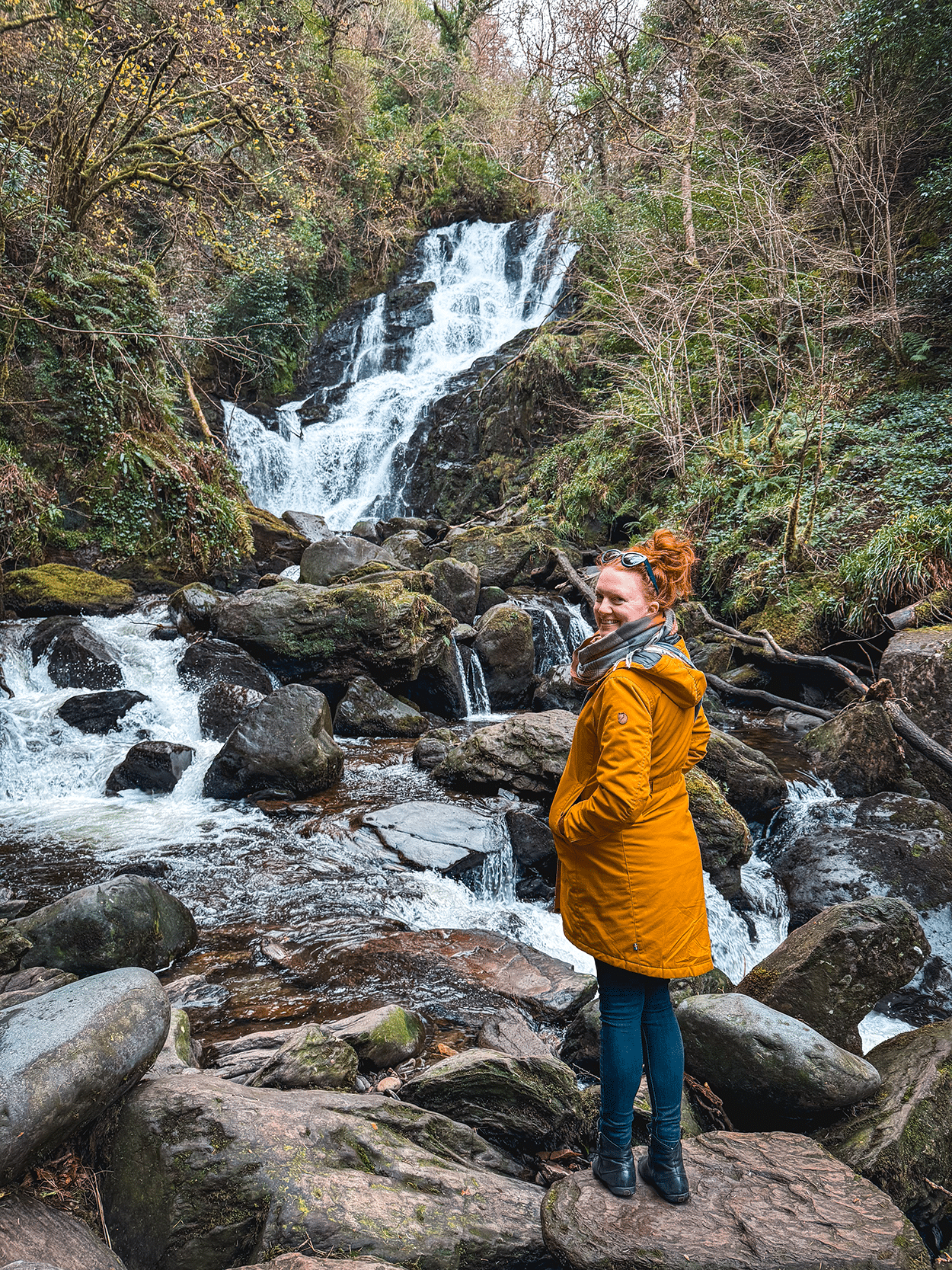
What Colors to Pack for Ireland Photos
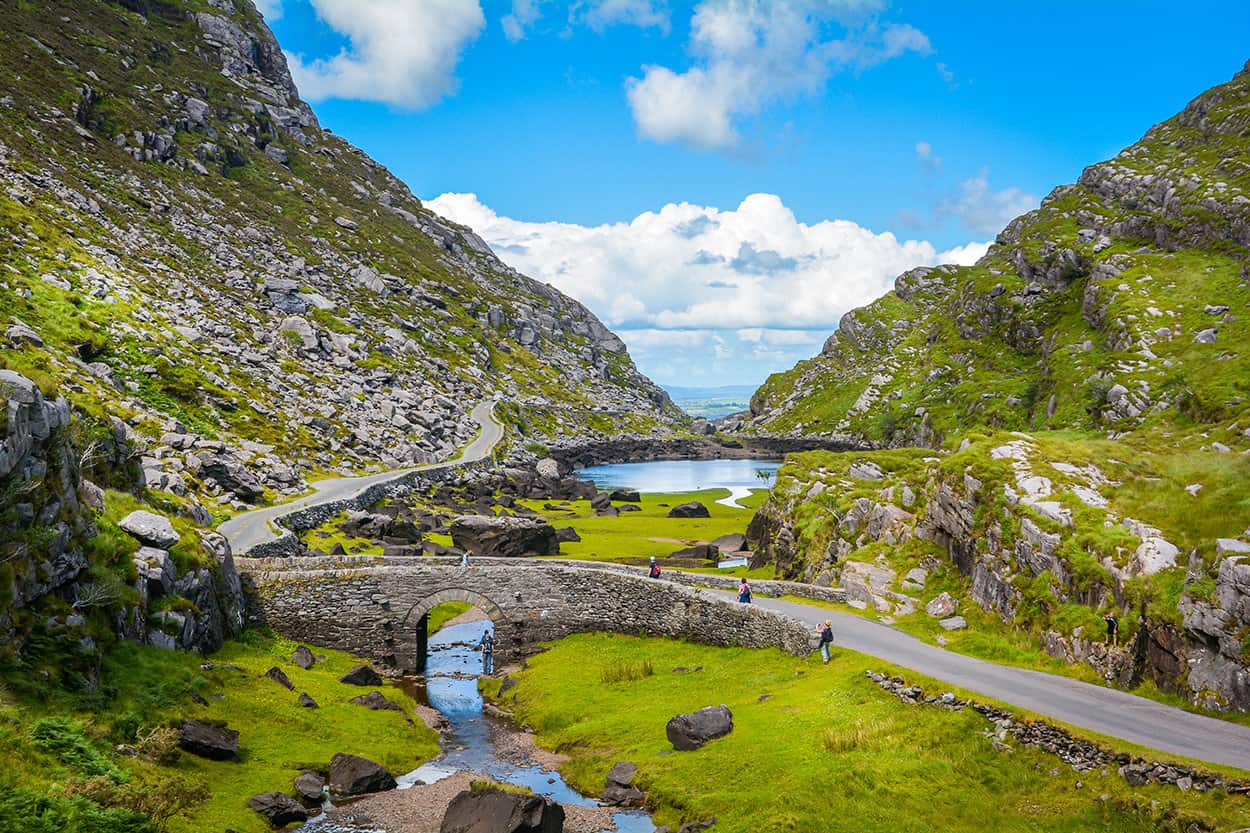
Ireland is green. Aggressively green. Especially in summer.
If you pack only black, gray, brown, and muted greens, you’ll disappear into the background in every photo.
Pack bright colors. Vibrant blues, yellows, oranges, pinks, reds, and even white. These pop against all that lush landscape. Bring a colorful scarf if nothing else, as accessories are one of the easiest ways to change up the same outfit.
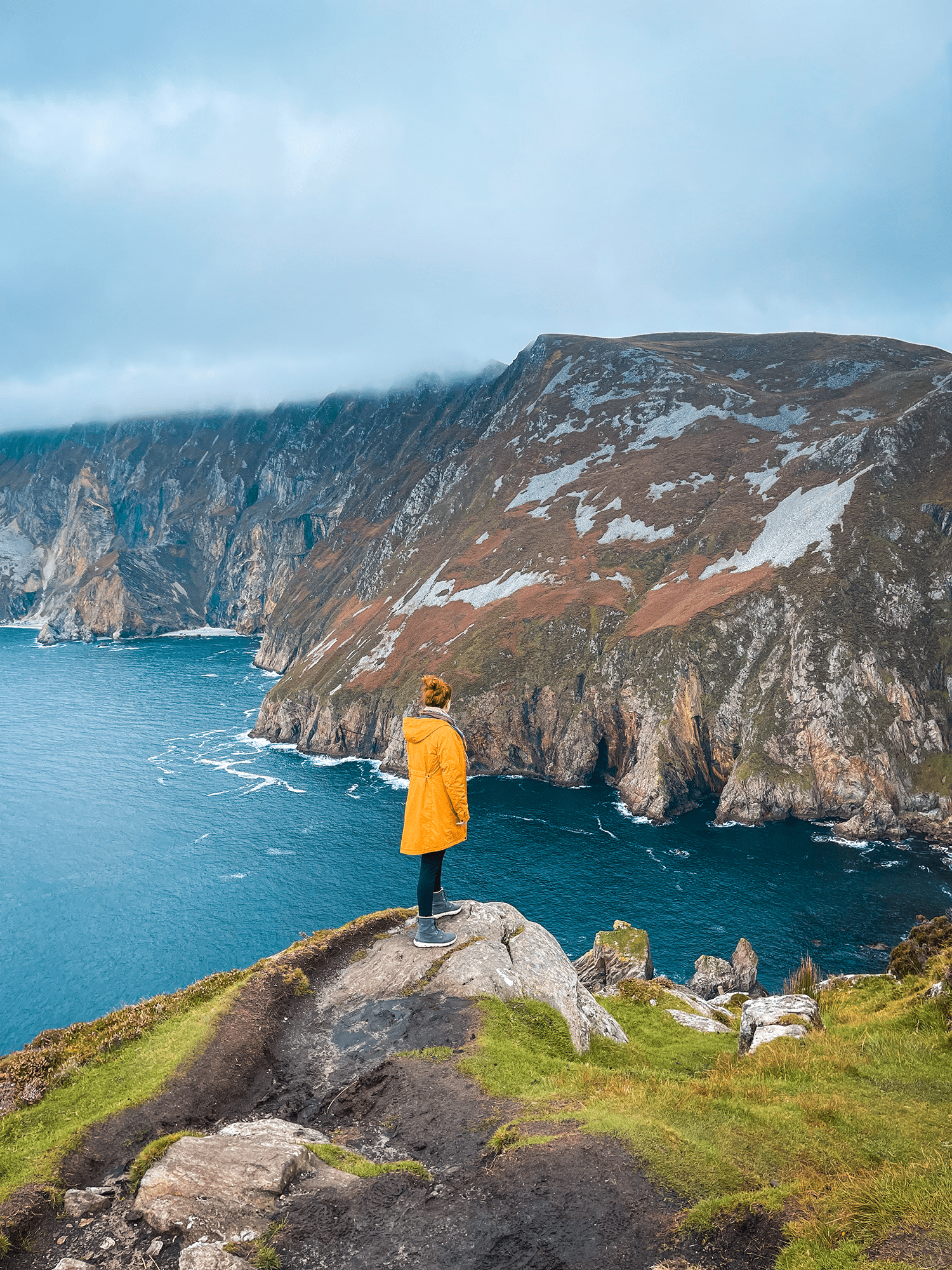
I’m not saying you need to dress like a highlighter, but a little pop of color makes a huge difference when you’re standing on a windswept cliff or wandering through Killarney National Park.
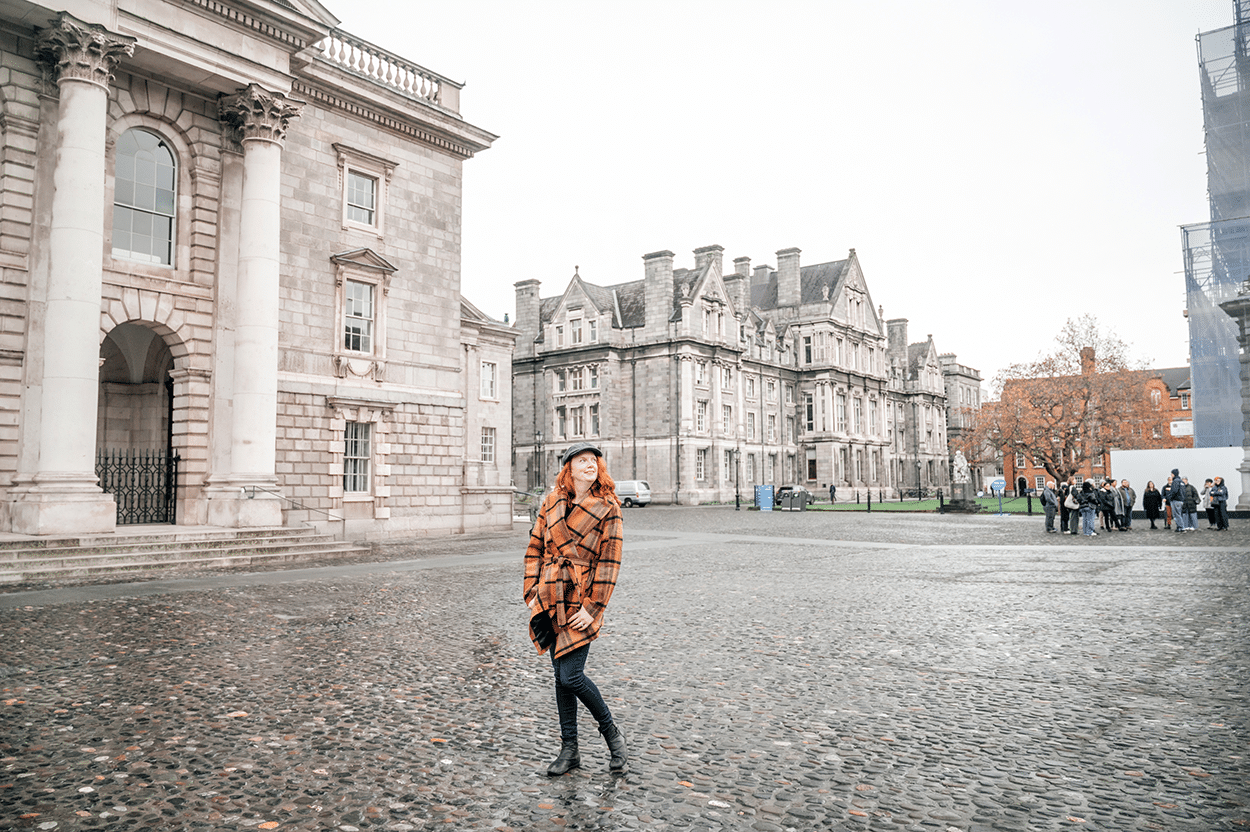
The Ultimate Ireland Packing List
This post contains affiliate links
Rain Gear
Waterproof jacket with hood
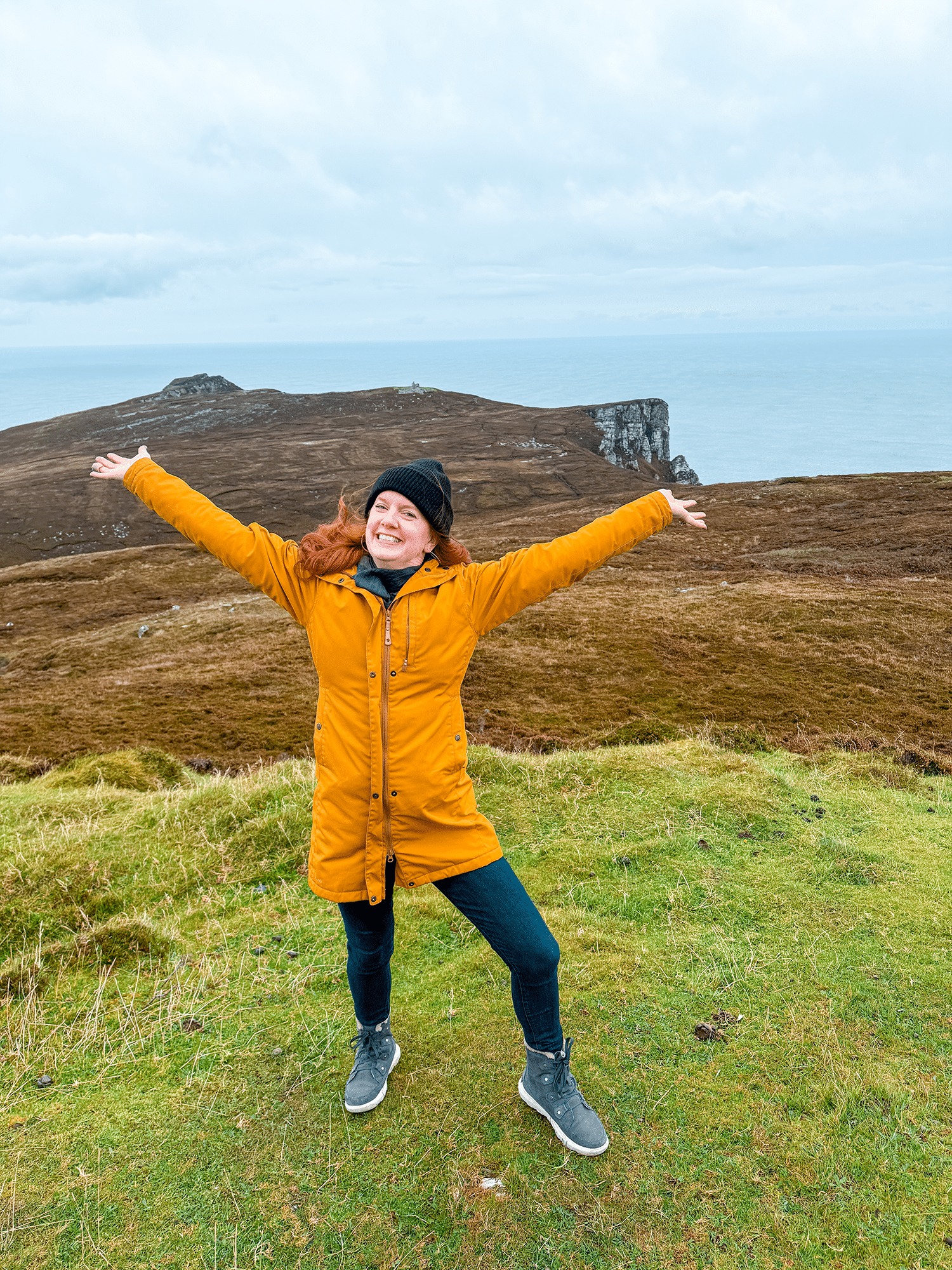
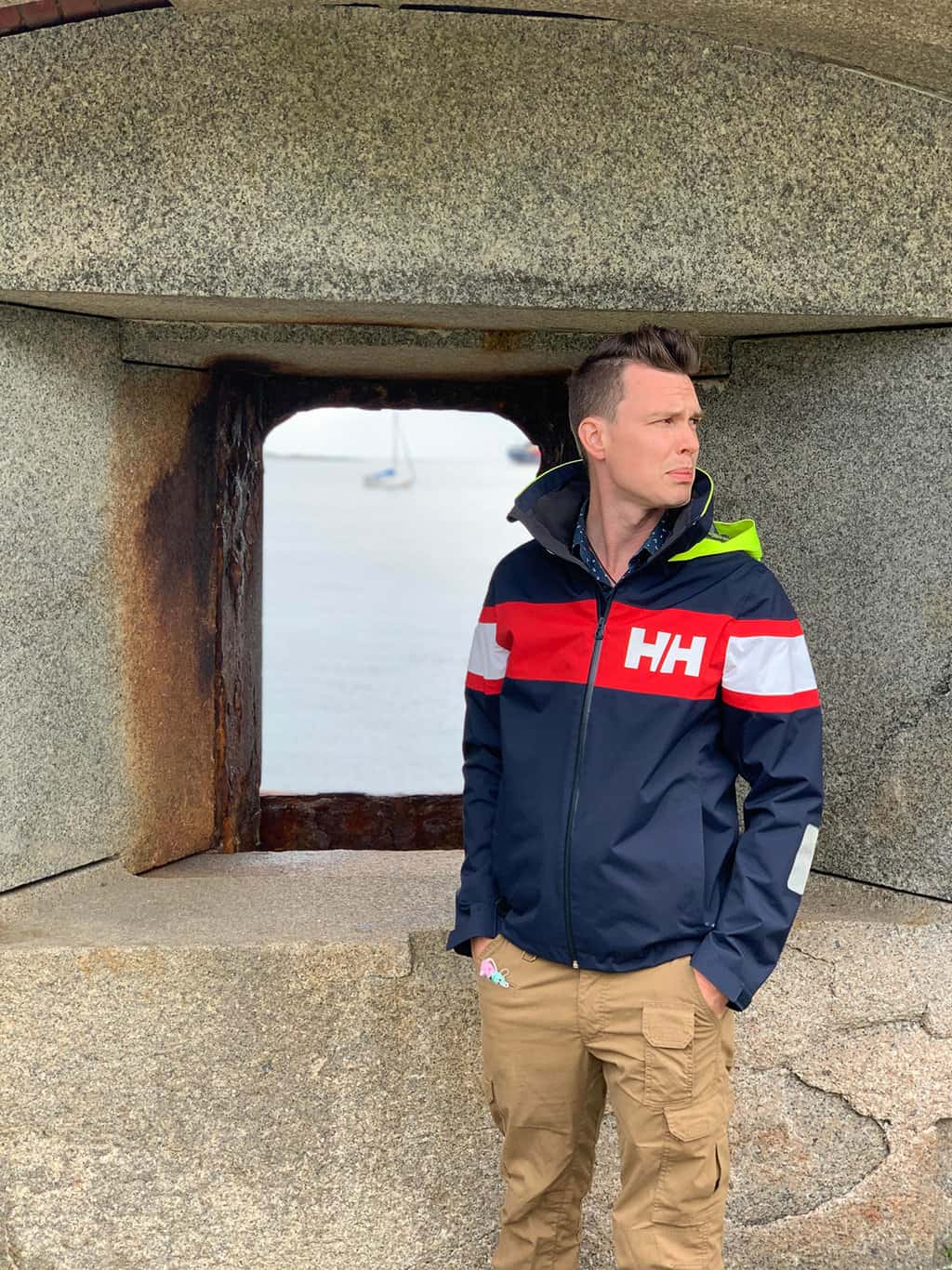
This is your best friend in Ireland. Get one that covers your bottom because wind whips around you constantly. I swear by Helly-Hansen raincoats after years of testing. The shorter version works too if you prefer less bulk, but make sure it has a hood.
For colder months, grab a waterproof parka that does double duty as warm coat and rain protection. Packable options exist if you’re worried about suitcase space.
Windproof umbrella
Regular umbrellas die fast in Irish wind. Get a windproof one. REPEL umbrellas come in fun colors (bright colors help you stand out in photos) and actually hold up. The Weatherman claims to resist 45mph winds if you want to splurge, but my REPEL always works for me in Ireland.
Rain boots or waterproof shoes
Most rubber rain boots look cute but kill your feet after a few hours of walking, so I tested out a bunch and here is what I recommend.
BOGS ankle boots are the only packable rain boots I’ve found comfortable enough for full days exploring Dingle, Galway, Dublin, and Killarney. You can tuck jeans into them or pull jeans over them.
For knee-high options, Asgard boots fold almost flat. Hunter boots are classic if you have room, though they need sock inserts to stay warm. And yes, your Doc Martens are waterproof too.
Good waterproof hiking shoes like Altra or Keen might be smarter than rain boots for most people. More versatile, comfortable for hours of walking, and less conspicuous.
If you want a fashionable boot that won’t hurt your feet and will keep you warm, these Sorel waterproof boots have been all over the world with me and kept me dry and warm.
Footwear Strategy
Altra shoes are a personal favorite for everyday wear because they let your toes spread naturally, which helps with balance on uneven terrain. Their waterproof hiking shoes have been reliable on multiple Ireland trips.
Other solid hiking boot options: Merrell, Timberland, Salomon. All have great reputations for durability and comfort.
Break in any new boots at least a month before your trip. Do not buy boots in Ireland and immediately hit the trails. Your heels will never forgive you (I did this with cowboy boots and my feet have never been the same after they were torn up).
If you absolutely don’t want to pack rain boots, grab waterproof shoe covers to throw over your regular shoes when needed. Fair warning: you will look silly, so I recommend grabbing some waterproof sneakers.
The Layering System
Ireland is all about layers. Tank top, long sleeve shirt, sweater, jacket. Shed them as the day warms up, add them back when clouds roll in.
Jeans
Bring jeans with a little stretch. Democracy jeans work well because they have spandex and provide some give when you’re eating your way through Irish brown bread and lamb stew. Not to mention scones. These are pretty much the only jeans I wear at home and when I travel.
Leggings
Water-resistant leggings work for hiking, napping in the car, and popping into pubs. Perfect for plane outfits too. I now own two pairs of these, with more on the way. I love that they have a little fleece-lining, just make sure you buy the one with pockets.
Rain pants
My mom gave me pull-on rain pants for our first Ireland trip and they looked ridiculous. They turned out to be incredibly useful when the weather flipped from sunny morning to rainy afternoon. Keep a pair in your car. Even if you never wear them, you will have them if the rain starts going sideways on you.
Tops
Pack a mix of t-shirts, long-sleeve shirts, and sweaters (or “jumpers” as locals call them). Quick-dry fabrics are smart for dealing with damp weather.
One nice outfit
Bring at least one nicer shirt or dress for fancier dinners in the city. It doesn’t have to be formal, just more than the t-shirt you’ve worn hiking all day. Ireland has a lot of great restaurants that you won’t want to skip just because you don’t meet the dress code.

Accessories That Matter
Scarves
A pashmina or travel scarf is essential. Fastest way to add color and stay warm. Pattern scarves, satin scarves that pack small, travel scarves with hidden pockets, blanket scarves for the plane.
Sunglasses
Yes, you need sunglasses in Ireland. The sun appears when you least expect it.
Hat and gloves
For colder months, pack a warm hat and fingerless gloves. Wool is always better, but if your skin doesn’t tolerate wool like mine, there are plenty of other options.
Socks (More Important Than You Think)
Pack lots of socks. More than you think you need. Your feet will get wet, and socks take forever to dry in hotel rooms.
Quick-dry merino wool socks from Darn Tough and Smartwool block odors and dry fast. They make no-show and crew styles now, not just tall hiking socks. They’re pricey but worth it.
Cheaper option: moisture-wicking athletic socks from Hanes, Adidas, or Tough Land.
Luggage and Bags
Suitcase
A medium roller bag for checked luggage or a carry-on spinner works well, just make sure it is standard international flight size. My Mono carry-on goes everywhere with me, and I’ve never had an airline tell me it was too big. It’s pricier, but has held up really well on my wanders.
If you want to pack a lot, but don’t have a lot of space, use compression packing cubes to fit everything. Just be very careful about weight, as you will be able to pack more, but it still weighs the same.
Pro tip: Get a bright-colored suitcase so it stands out at baggage claim, and you can spot your travel companions easily at the airport. What the world doesn’t need is another boring black roller bag.
Daypack
Our daypack doubles as our plane personal item. If you want something super lightweight and packable, try this one. If you need wet pockets (useful after unexpected swimming at the Aran Islands), grab this hiking backpack.
Camera people need the Cabin MAX backpack with padded straps. Osprey makes excellent daypacks in fun patterns too.
Tech Essentials
Ireland uses Type G plugs (UK-style), which are different from most of Europe. You need the right adapters.
- UK/Ireland adapter: Don’t assume your lodging will have extras. Pack at least one per person.
- Power converter: If you’re bringing big electronics.
- Portable charger: Essential for long days out.
- Phone chargers: One per phone. Four people equals four chargers in our family.
Hair Tools
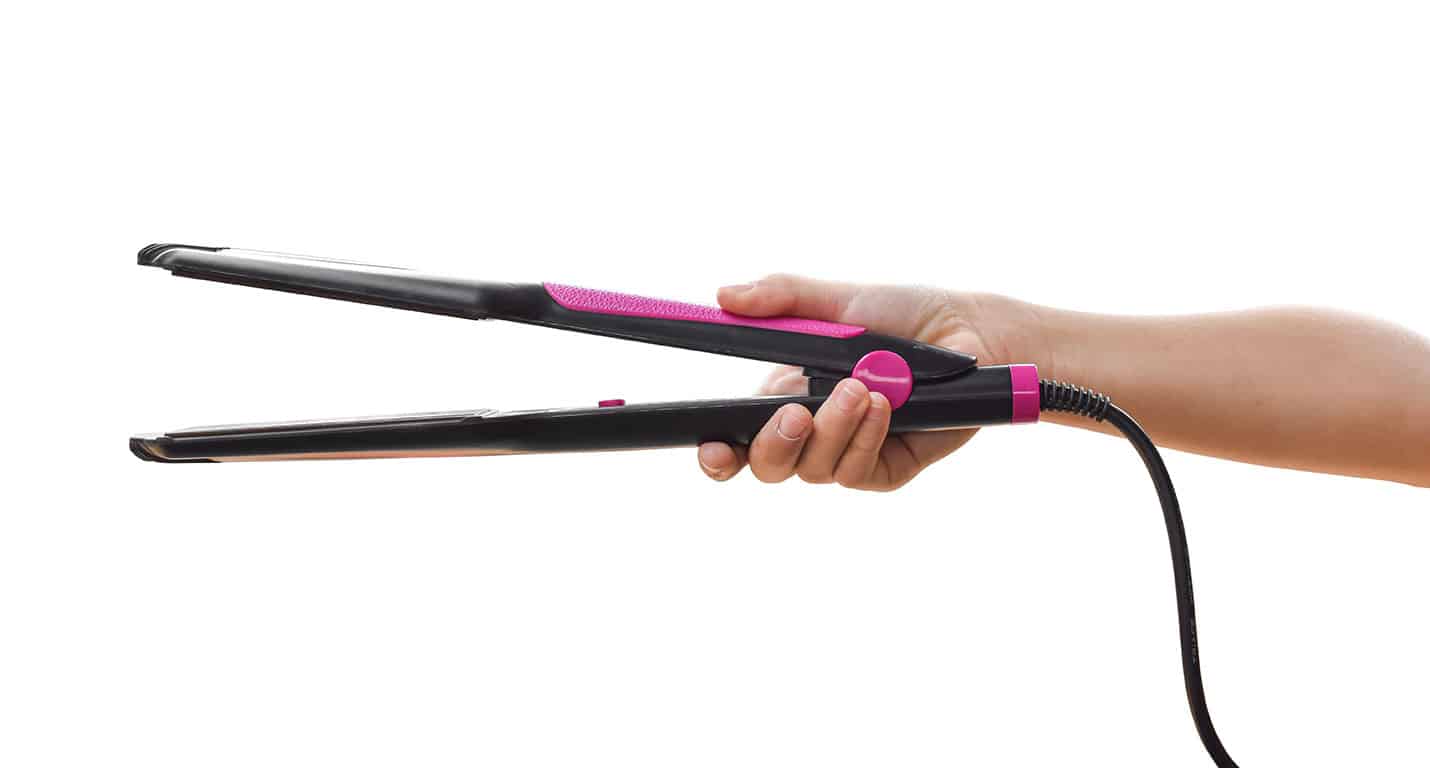
You need dual-voltage or European-specific hair tools when traveling to Ireland. Bringing your regular US curling iron with just an adapter can blow circuits.
This combo curling/flat iron switches voltage. The Conair hair dryer claims to automatically detect voltage changes, but I haven’t tested it yet.
DO NOT bring your Revlon round brush hair dryer. It won’t convert. This brush dryer has a voltage switch on the back.
You can also buy a cheap curling iron or hair dryer at a local pharmacy. I bought one in Ireland 10 years ago and still use it.
Toiletries
Store everything in a good toiletries bag that is waterproof and easy to clean.
- Essentials:
- Deodorant
- Sunscreen with SPF 30 (yes, even when it’s cloudy, especially on your face)
- Bug spray wipes if you attract insects
- All your regular toiletries in travel sizes
What NOT to Wear in Ireland
Ireland is pretty casual and relaxed, but there are a few things to keep in mind:
Don’t wear:
- Revealing or skimpy clothing, especially near churches and religious sites
- Political or potentially offensive graphic tees
- Impractical footwear like heels or open-toed sandals for hiking in rain and mud
- Large, expensive jewelry (makes you a target for theft)
- Dressy clothing unless you’re going to the opera or out somewhere fancy
Basically: dress for the weather, be respectful, and blend in a bit. Jeans and a sweater work almost everywhere.
Packing for Kids
My boys have been to Ireland multiple times at different ages, which has taught me what works and what’s a waste of suitcase space.
Kids’ Rain Gear
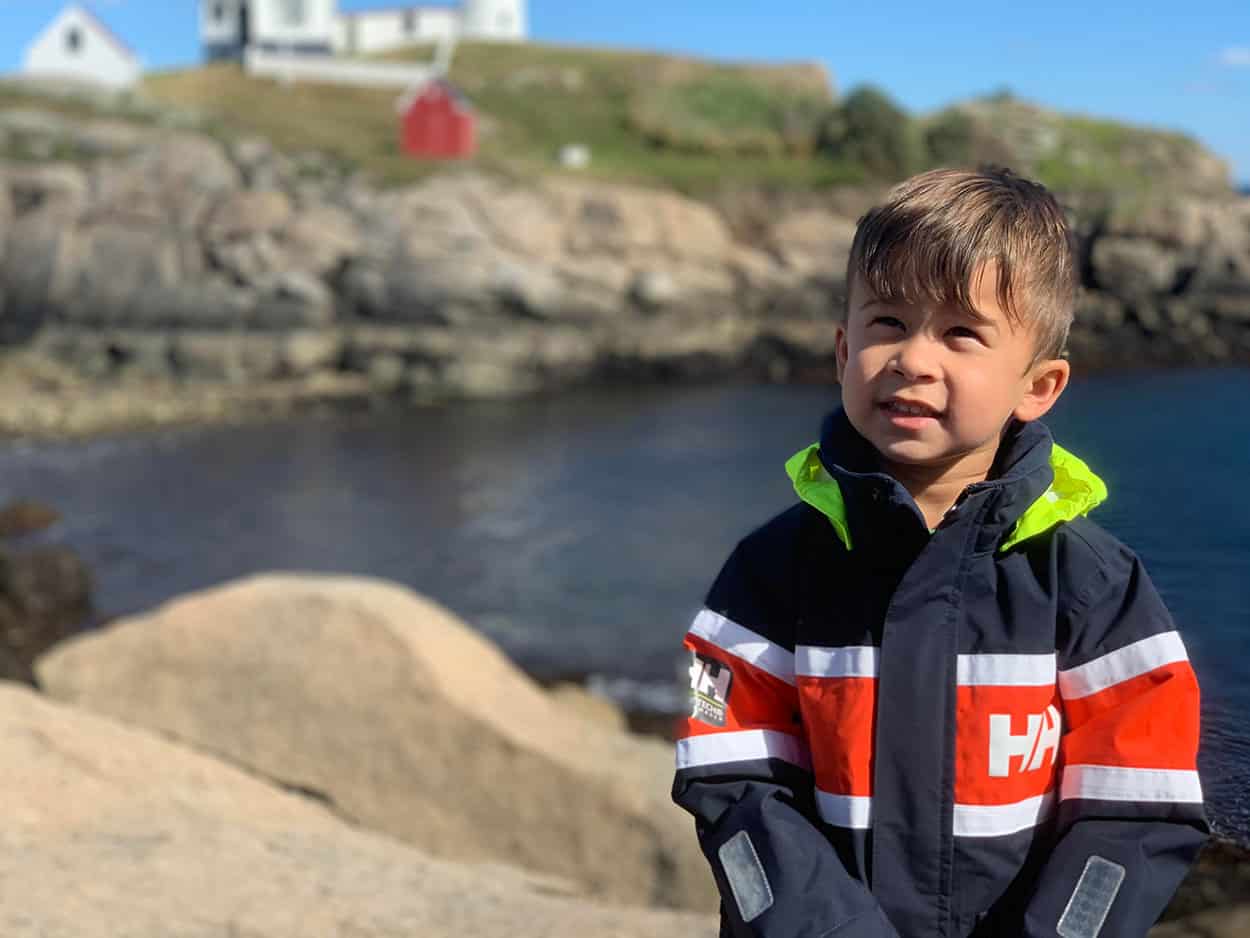
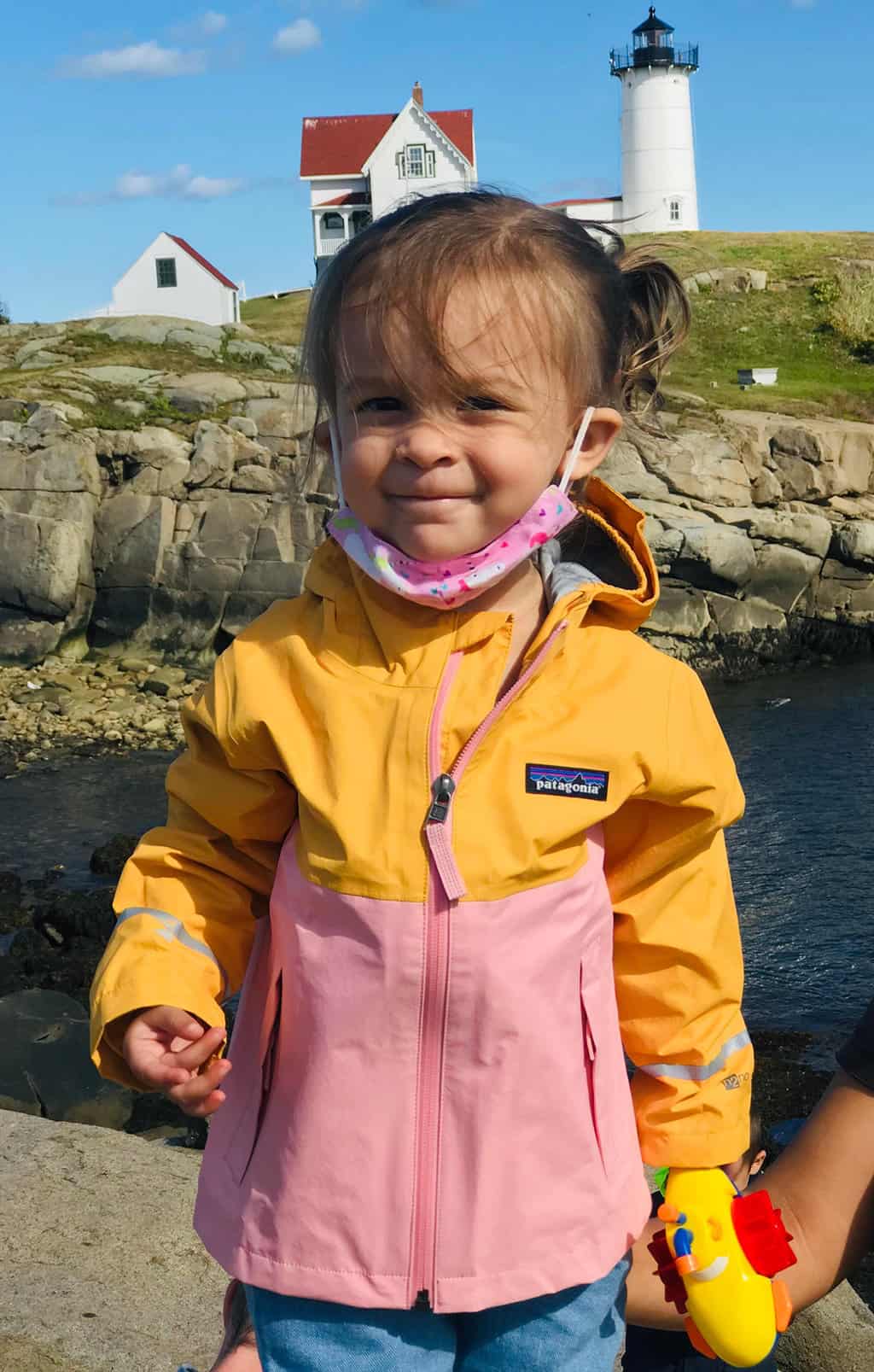
Rain jackets: Toddlers and young kids can wear fun patterns from Hatley, while teens want basic raincoats. Bright colors work great for grade-schoolers, and Helly-Hansen makes some cool color combos for teens that won’t embarrass them (too much).
Rain suits: For puddle-jumping toddlers, rain suits or rain sets are invaluable.
Kids’ Footwear
- Rain boots: BOGS makes sizes from toddler through big kids. But honestly, waterproof sneakers are more practical for older kids.
- Waterproof sneakers: Columbia or The North Face sneakers work well if you can only pack one pair of shoes.
- Hiking boots: Merrell or Keen for activities requiring ankle support.
Kids’ Clothing
Same layering strategy as adults. T-shirts, long sleeves, sweaters, rain pants, and waterproof pants.
Pack two extra pairs of underwear beyond what you think you need, as well as extra socks.
Kids’ Gear
- Daypack: Give kids their own small backpack for stuffies and crayons, or a Camelbak for water and cameras (if they don’t have a phone) for older kids.
- Reusable water bottle: Everyone needs an insulated water bottle to stay hydrated, save money and avoid using plastic.
- Entertainment:
- Irish children’s books
- Kindle Fire loaded with apps
- Ireland travel journal
Kids’ Toiletries
Grab clear toiletries bags so kids know where their stuff is.
- Toothbrush and toothpaste
- Deodorant for teens and tweens
- Any medications (allergy meds, asthma inhaler, etc.)
- Kids Dramamine and Sea Bands
- Ginger lollipops
- Children’s Acetaminophen and Ibuprofen
- Sunscreen
Baby Products in Ireland
They have babies in Ireland, which means they have baby supplies too. You don’t need to pack two weeks’ worth of diapers and wipes. Bring enough for 2-3 days so you don’t have to rush to the store with jet-lagged babies, then buy more as you go.
They also have formula and food you will recognize. Don’t over think it. Unless your baby has a serious allergy, you should be fine to buy in Ireland.
If you need gear for your baby, Hatley rain jackets in bright yellow pop in photos. Helly-Hansen rain suits for babies and toddlers are quality picks, too, if you want to let them roam a bit outside of the stroller.
Men’s Packing List
- Jackets: Columbia parka for cold weather, Helly-Hansen sailing jacket for rain and wind, or a simple rain jacket for warmer months.
- Boots: Columbia hiking boots get top ratings. Also Merrell, Timberland, Salomon.
- Rain boots: Totes, Hunters, or Helly Hansen basic black boots. Waterproof shoe covers work too.
- Shoes: Altra trail runners, Keens for water/hiking, Merrell or Salomon low hiking shoes.
- Pants: Quick-dry pants or waterproof pants that look good in town too.
- Tops: Quick-dry shirts and at least one nice long-sleeve shirt for dinners.
- Accessories: Hat, gloves, scarf, sunglasses as needed.
Seasonal Packing Tips
Check the weather before your trip. Ireland has been much warmer than usual in recent years.
Spring Packing (March-May)
Spring temperatures hover around 10°C (50°F) in March and April, reaching 13-16°C (55-61°F) in May. Pack warm layers, waterproof everything, and prepare for four seasons in one day.
You’ll see wildflowers blooming and baby lambs in fields. Bring camera gear and bright colors to stand out against the green landscape.
Summer Packing (June-August)
Summer temperatures range between 17-20°C (63-68°F) with long daylight hours (14-16 hours). It’s the warmest time to visit, but still pack rain gear.
You can get away with shorts, t-shirts, and lighter layers, but bring a warm jacket for evenings. If you’re brave enough to swim, pack a swimsuit. My kids love Irish surf spots like Inch Beach.
Bring zinc sunscreen and board shorts. We rent wetsuits and boards when we arrive instead of packing everything if we want to surf.
Fall Packing (September-November)
Temperatures remain mild in early fall (14-17°C or 57-63°F in September) but November becomes the wettest month, with temperatures dropping to around 9-12°C (48-54°F). Pack warm sweaters, base layers, and waterproof everything.
It’s a beautiful time for photography with autumn colors, and it is less crowded than in summer. Bring thermal underwear for cold morning hikes.
Winter Packing (December-February)
Winter temperatures average around 7-9°C (45-48°F) during the day and rarely drop below 5°C (41°F), though December and January, which are the wettest months with frequent rain.
Pack your warmest waterproof parka, thermal base layers, warm socks, hat, scarf, and gloves. Snow is rare, and more likely up north in County Donegal, but when it does happen, you want to be prepared.
You will get shorter days but a magical atmosphere that is perfect for cozy pub evenings, and way fewer tourists.
Don’t Forget These Essential Items
- Travel insurance: Get it as soon as you book flights. With everything from flight cancellations to medical emergencies, you need coverage.
- Passport: Check expiration date now. Many countries won’t let you in if it expires within 6 months.
- Credit cards: At least two (one can be a debit card), and notify your bank you’re traveling.
- Copy of travel plans: Leave them with someone at home. I also leave a set on my desk for the dog sitter just in case.
- Reusable water bottle: Tap water in Ireland is excellent, so be sure to fill up and not waste money on plastic bottles (better for the environment too!).
Sample 7-Day Ireland Packing List
For reference, here’s what I’d pack for one person on a week-long trip:
- 5 pairs underwear
- 7 pairs socks (merino wool preferred)
- 3 pairs pants/jeans
- 1 pair leggings or fleece-lined yoga pants
- 3 t-shirts
- 4 long-sleeve shirts
- 2 sweaters/cardigans
- 1 nice outfit
- 1 pair waterproof boots or shoes
- 1 raincoat or waterproof parka
- 1 umbrella
- 1-2 scarves
- 1 purse with zipper
- 1 daypack
- Pajamas
- Toiletries
- All tech gear and adapters
Remember: plan to do laundry halfway through longer trips.
Resources to Make Your Ireland Trip Easier
Before you finish packing, grab these free planning guides:
- Weekend Trip Planner
- Jet Lag Guide
- Flying with Kids Guide
- Road Trip Planning Guide
- Vacation Planner Checklist
And if you want all our tested gear recommendations in one place, check out our Ireland packing essentials list on Amazon.
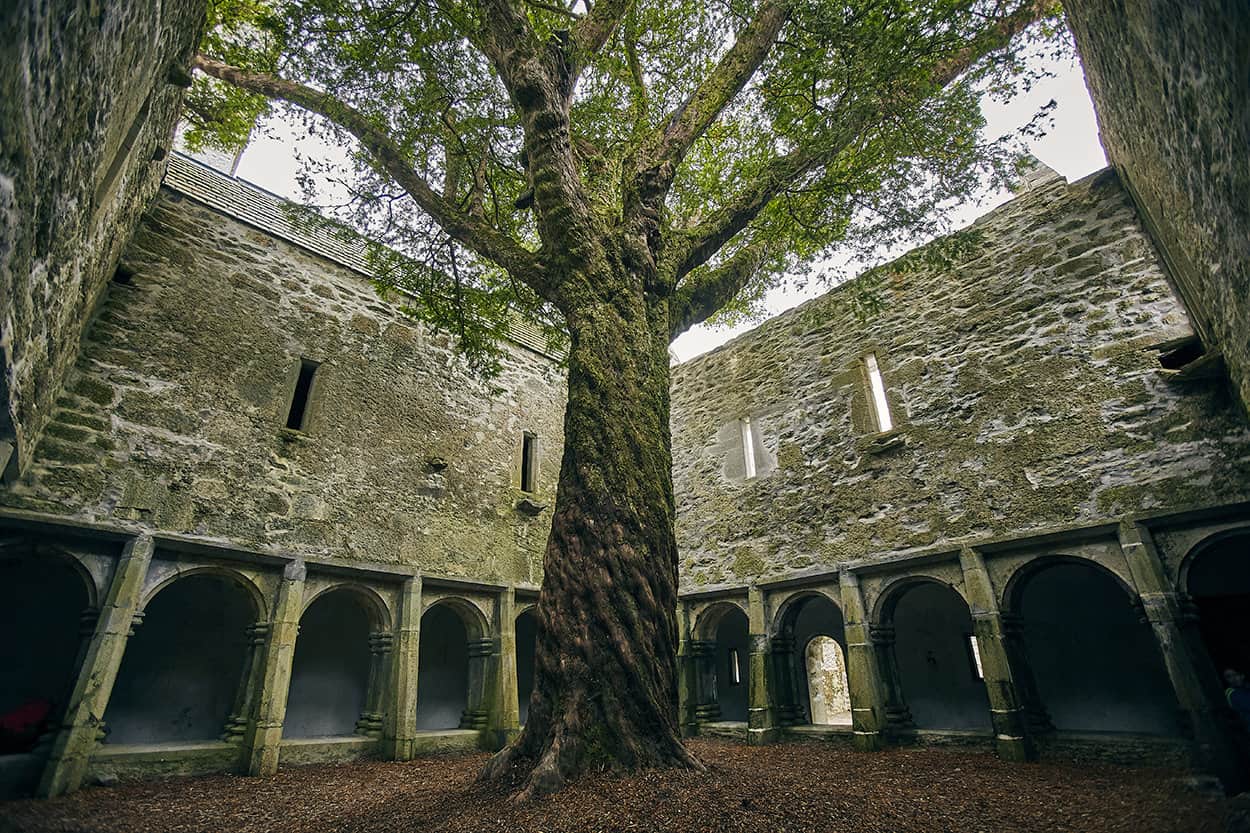
Book Your Ireland Adventures
Hotels: Find the perfect place to stay on Expedia whether you want a Dublin city hotel or countryside B&B.
Tours: Book experiences through Viator or Get Your Guide for everything from whiskey tastings to coastal hikes.
Photography: Capture your Ireland memories with a professional photographer through Flytographer (save $20 with my link). Way better than selfie sticks at the Cliffs of Moher.
Car rentals: We always book through Discover Cars for the best deals on those tiny Irish rental cars you’ll need for narrow roads.
More Ireland Travel Guides
Planning your Ireland itinerary? Check out these posts:
- Best Itinerary for Your First Family Vacation to Ireland
- Ring of Kerry Drive Guide
- Things to Do in Killarney
- Killarney National Park
- Things to Do in Galway
- Best Restaurants in Dingle
- Fun Things to Do in Dublin
- Kenmare Ireland
- 5-Day Scotland Itinerary
Browse all our travel guides and itineraries in the shop.
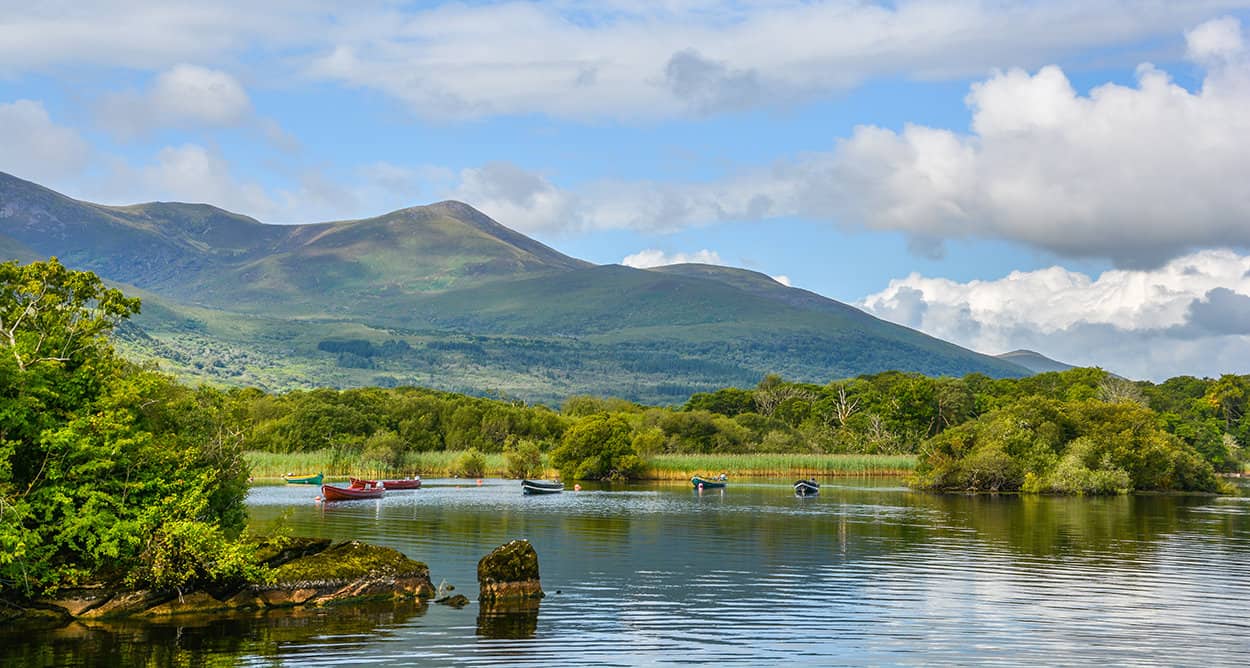
The Real Secret to Packing for Ireland
After multiple trips in different seasons, my strategy is pretty straightforward. Pack less than you think you need, bring more rain gear than seems reasonable, and accept that you’ll do laundry.
Don’t stress about looking perfect. You’ll be wearing a waterproof jacket over everything most of the year anyway. Focus on staying dry and comfortable so you can enjoy standing on those windswept cliffs and wandering through ancient castles.
And if you’re traveling with kids who “accidentally” end up swimming fully clothed at the Aran Islands, pack a change of clothes in your day bag. Some lessons take a few trips to learn.
Ireland will surprise you, drench you, blind you with sudden sunshine, and probably make you fall in love with the Emerald Isle. Pack smart, stay flexible, and enjoy every soggy, spectacular minute of it, and rejoice if you happen to arrive when they are having a few straight weeks of sunshine (it has happened to us once).